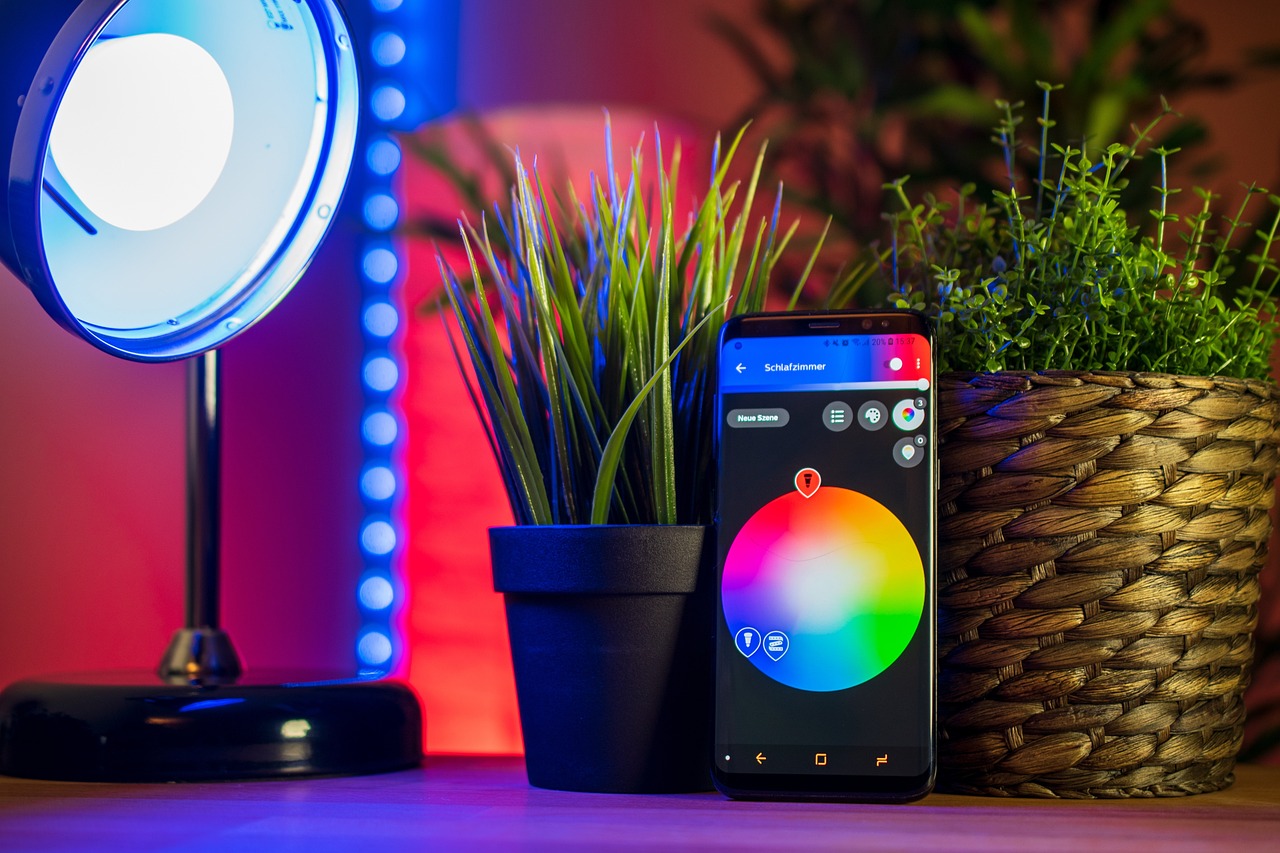
Modern life often disconnects us from natural light patterns, leaving us tired during the day and restless at night. Circadian lighting systems offer a science-backed solution to realign your body’s internal clock with the rhythm of nature.

Our ancestors woke with sunrise and slept when darkness fell, their bodies naturally synchronized with the Earth’s 24-hour cycle. Today, artificial lighting floods our homes and workplaces at all hours, confusing our biological systems and disrupting the delicate balance that governs our sleep-wake cycles. This disconnection contributes to widespread sleep disorders, decreased productivity, and various health concerns that many people accept as normal parts of modern living.
Understanding Your Body’s Natural Light Clock 🌅
Your circadian rhythm is an internal biological clock that regulates nearly every function in your body over a 24-hour period. This sophisticated system controls hormone production, body temperature, digestion, and most importantly, your sleep-wake cycle. Light serves as the primary signal that keeps this clock synchronized with the external environment.
When light enters your eyes, specialized cells in your retina send signals to the suprachiasmatic nucleus in your brain. This master clock then coordinates with peripheral clocks throughout your body, ensuring everything operates in harmony. Blue-enriched light during daylight hours suppresses melatonin production, keeping you alert and energized. As evening approaches and light diminishes, melatonin levels rise, preparing your body for restorative sleep.
Traditional indoor lighting completely ignores these biological needs. Standard bulbs emit consistent color temperatures throughout the day, providing either warm yellow light or cool white light regardless of the time. This static approach means your body receives conflicting signals about what time of day it actually is, leading to what researchers call “circadian disruption.”
How Circadian Lighting Systems Actually Work
Circadian lighting systems intelligently adjust both the intensity and color temperature of your lights throughout the day to mimic natural sunlight patterns. These smart systems typically shift from cool, blue-enriched light in the morning to warmer, amber tones in the evening, creating an artificial environment that supports your biological programming.
The technology operates on a spectrum measured in Kelvin. Morning light from these systems typically ranges from 5000K to 6500K, similar to bright daylight that energizes you for the day ahead. As afternoon transitions to evening, the system gradually shifts toward 2700K to 3000K, resembling the warm glow of sunset that signals your body to begin winding down.
Advanced circadian lighting goes beyond simple scheduling. Modern systems incorporate sensors that detect natural light availability, adjusting artificial lighting to complement rather than compete with sunlight streaming through your windows. Some systems even factor in your geographic location, seasonal changes, and personal sleep schedule to create a truly customized lighting experience.
Key Components of an Effective System
A complete circadian lighting setup includes several essential elements working together. Smart bulbs or fixtures with adjustable color temperature form the foundation, allowing precise control over light quality. A central hub or controller manages all devices, ensuring coordinated changes throughout your space. Sensors monitor ambient light levels and occupancy, enabling automatic adjustments based on real-time conditions.
Integration with scheduling software or apps gives you control over timing and intensity curves. The most sophisticated systems learn from your behavior patterns, automatically optimizing light schedules to match your actual routines rather than generic preset programs.
Transformative Benefits for Sleep Quality 😴
Poor sleep affects approximately one-third of adults, with many struggling to fall asleep, stay asleep, or wake feeling refreshed. Circadian lighting addresses the root cause of many sleep problems by supporting your body’s natural preparation for rest.
Research demonstrates that exposure to bright, blue-enriched light in the evening delays melatonin release by up to two hours. This explains why scrolling through your phone before bed makes falling asleep so difficult. Circadian lighting systems eliminate this problem by automatically reducing blue wavelengths after sunset, allowing melatonin production to begin at the appropriate time.
People who implement circadian lighting typically report falling asleep 15-30 minutes faster than before. Sleep efficiency improves as nighttime awakenings decrease in both frequency and duration. Perhaps most significantly, users wake feeling genuinely refreshed rather than groggy, because their sleep cycles align with natural biological rhythms rather than fighting against them.
Supporting Different Sleep Schedules
Circadian lighting proves especially valuable for people with non-traditional schedules. Shift workers can program their systems to create an artificial “day” whenever they need to be alert, even during actual nighttime hours. When transitioning to sleep during daylight, the system creates a dark, warm-light environment that facilitates rest despite sunshine outside.
Parents appreciate the ability to create age-appropriate lighting schedules for children, whose circadian systems develop differently than adults. Teenagers, whose biological clocks naturally shift toward later sleep and wake times, benefit from customized lighting that accommodates their unique needs without forcing them into misaligned schedules.
Boosting Daytime Energy and Productivity ⚡
The energy-boosting benefits of circadian lighting extend far beyond simply improving nighttime sleep. Proper light exposure during waking hours directly impacts alertness, cognitive performance, and mood throughout your day.
Bright, blue-enriched morning light suppresses residual melatonin, helping you shake off sleep inertia and feel truly awake. Studies show that people exposed to high-intensity morning light report significantly higher alertness levels compared to those in standard indoor lighting. This effect continues throughout the day, with properly-timed light exposure maintaining energy levels that would otherwise decline during afternoon slumps.
Cognitive performance metrics including reaction time, memory recall, and problem-solving abilities show measurable improvement under circadian-appropriate lighting. Office workers using these systems report completing tasks more quickly with fewer errors. Creative professionals notice enhanced focus and ideation when their lighting environment supports rather than undermines their biological state.
Combating Seasonal Affective Patterns
Many people experience mood and energy dips during winter months when natural daylight exposure decreases dramatically. Circadian lighting systems can compensate for this deficit by providing bright, energizing light during morning and midday hours, essentially creating an extended “summer” indoors regardless of actual weather conditions.
This application proves particularly powerful for people living in northern latitudes where winter days become extremely short. By ensuring adequate bright light exposure, these systems help maintain consistent mood and energy levels year-round rather than suffering through seasonal cycles of low motivation and fatigue.
Practical Implementation in Your Home 🏠
Installing a circadian lighting system doesn’t require extensive renovation or technical expertise. Most people begin with smart bulbs that simply screw into existing fixtures, making the transition incredibly accessible and affordable.
Start with the rooms where you spend the most time, particularly your bedroom and primary living spaces. Your bedroom requires special attention since evening light exposure there directly impacts sleep quality. Replace bedside lamps and overhead fixtures with circadian-capable bulbs, then program them to shift toward warm, dim light at least two hours before your target bedtime.
Living rooms and home offices benefit from brighter, cooler light during active hours. Position task lighting where you read, work, or engage in hobbies, ensuring adequate intensity to support alertness and visual comfort. Overhead ambient lighting should complement rather than replace task lighting, creating layers that can be adjusted based on specific activities and times of day.
Creating Effective Light Schedules
Your lighting schedule should reflect your actual routine rather than theoretical ideals. Begin by determining your desired wake time and work backward. Set your system to gradually increase light intensity starting 30 minutes before your alarm, simulating sunrise to support natural awakening.
Morning light should reach full brightness within the first hour of waking, ideally while you eat breakfast or prepare for your day. Maintain cool, bright lighting through midday, then begin a gradual transition toward warmer tones starting 3-4 hours before bedtime. The final two hours before sleep should feature only warm, dim lighting that signals your body to prepare for rest.
Workplace Applications and Benefits 💼
Forward-thinking companies are discovering that circadian lighting represents a valuable investment in employee wellbeing and productivity. Office environments traditionally rely on harsh fluorescent lighting that remains constant throughout the workday, ignoring biological needs and contributing to afternoon fatigue and decreased performance.
Implementing circadian lighting in workplaces yields measurable returns. Employees report higher energy levels, improved mood, and better sleep quality at home. Absenteeism decreases as people experience fewer stress-related health issues. Productivity metrics show consistent gains, with some studies documenting improvements of 10-25% in various performance measures.
Open office layouts benefit particularly from circadian systems that provide personalized lighting zones. Workers can adjust their immediate environment while the overall space follows appropriate circadian patterns. Conference rooms equipped with scene settings can shift from energizing bright light during brainstorming sessions to warmer, calmer tones for strategic discussions requiring different mental states.
Selecting the Right System for Your Needs
The circadian lighting market offers options ranging from basic smart bulbs to comprehensive whole-home systems. Your choice depends on budget, technical comfort level, and specific goals.
Entry-level solutions include individual smart bulbs that connect to your home WiFi network. These typically cost $15-50 per bulb and work with smartphone apps for scheduling and control. Mid-range systems add a central hub that improves reliability and enables more sophisticated automation. Premium installations involve dedicated fixtures, advanced sensors, and professional programming for seamless, optimized performance.
Consider compatibility with existing smart home ecosystems. Most circadian lighting products integrate with major platforms like Amazon Alexa, Google Home, or Apple HomeKit. This integration allows voice control and coordination with other smart devices like thermostats and security systems for comprehensive home automation.
Essential Features to Prioritize
- Wide color temperature range (2200K-6500K minimum) for complete circadian support
- Sufficient brightness output (800+ lumens for general lighting) to impact biological responses
- Smooth, gradual transitions rather than abrupt changes that feel jarring
- Flexible scheduling with options for weekday/weekend variations
- Manual override capabilities when you need lighting that doesn’t match your program
- Integration with existing smart home platforms you already use
- Energy efficiency to minimize operating costs over years of use
Maximizing Results with Complementary Habits 🌟
While circadian lighting provides powerful support for sleep and energy, combining it with complementary lifestyle habits amplifies benefits dramatically. Think of your lighting system as one component of a comprehensive approach to optimizing your circadian health.
Natural light exposure during morning hours reinforces the signals from your indoor lighting. Step outside for 10-15 minutes within an hour of waking, allowing bright daylight to reach your eyes without sunglasses. This natural light exposure proves more powerful than any artificial source, anchoring your circadian rhythm and enhancing alertness.
Evening routines matter equally. Dim your lights progressively after dinner, avoiding bright overhead fixtures in favor of warm lamps. Stop using electronic devices with bright screens at least one hour before bed, or employ blue-light filtering features and apps that coordinate with your circadian lighting schedule.
Nutrition and Exercise Timing
Meal timing influences your circadian system independently of light exposure. Eating your largest meals during daylight hours and keeping evening meals lighter supports natural rhythms. Avoid caffeine after early afternoon, as it can interfere with sleep even when your lighting schedule is perfect.
Physical activity during morning or early afternoon hours reinforces wakefulness and improves sleep quality that night. Intense exercise close to bedtime can prove counterproductive, elevating core body temperature and heart rate when they should be declining for sleep.
Troubleshooting Common Challenges
Some people initially struggle with circadian lighting adjustments as their bodies adapt to more appropriate light exposure patterns. If you’ve spent years under misaligned lighting, your system may temporarily resist the change.
Gradual implementation often works better than abrupt transitions. Start by adjusting only evening lighting for the first week, allowing your body to respond to improved melatonin production. Add morning and daytime optimization during week two. This phased approach prevents overwhelming your system while still delivering progressive benefits.
If you don’t notice improvements within two weeks, review your schedule timing. Your programmed wake time should match your actual rising time, not an aspirational goal that differs significantly from reality. Similarly, ensure your evening dimming begins early enough—many people need warm, dim light starting much earlier than they initially expect.
Long-Term Health Implications and Science 🔬
Research into circadian rhythms and light exposure reveals connections between disrupted biological clocks and numerous health conditions. Chronic circadian misalignment correlates with increased risks of obesity, diabetes, cardiovascular disease, and certain cancers. While lighting alone doesn’t cause these conditions, maintaining healthy circadian rhythms through appropriate light exposure represents an important preventive factor.
Sleep quality directly impacts immune function, with people who sleep poorly showing reduced ability to fight infections and slower recovery from illness. Mental health connections prove equally significant, as disrupted circadian rhythms contribute to depression, anxiety, and mood disorders. Proper circadian lighting supports the restorative sleep that enables optimal physical and mental health.
Emerging research suggests that appropriate light exposure may benefit cognitive aging. Older adults often experience circadian rhythm deterioration that contributes to sleep problems and cognitive decline. Circadian lighting interventions show promise for maintaining sharper mental function and better sleep quality throughout the aging process.

Moving Forward with Your Lighting Transformation
Implementing circadian lighting represents a practical, accessible step toward reclaiming natural rhythms in our technology-saturated world. Unlike many wellness interventions requiring significant time or effort, proper lighting works passively in the background, supporting your biology automatically once installed and programmed.
Start small if you feel overwhelmed by options and possibilities. Even replacing a single bedroom lamp with a circadian-capable bulb and programming appropriate evening dimming can improve sleep quality noticeably. Success with initial changes typically motivates expansion to additional rooms and more sophisticated scheduling.
Track your experience subjectively by noting energy levels, sleep quality, and mood over several weeks. Many people find that improvements accumulate gradually rather than appearing overnight. You might first notice easier morning waking, then realize afternoon energy crashes have diminished, and eventually recognize that you’re sleeping more soundly throughout the night.
The investment in circadian lighting delivers returns across virtually every aspect of daily life. Better sleep enhances daytime performance, which supports evening relaxation, creating a positive cycle of improved wellbeing. By aligning your artificial environment with biological needs shaped over millions of years, you’re not fighting against your nature—you’re finally supporting it properly. Your body knows how to thrive when given appropriate signals; circadian lighting simply provides those signals in a world that has largely forgotten their importance.