Healthcare environments are evolving beyond sterile, clinical spaces into thoughtfully designed healing sanctuaries that actively contribute to patient recovery and staff wellbeing.

The traditional hospital design—characterized by harsh fluorescent lighting, monotonous corridors, and institutional color schemes—is being challenged by evidence-based design principles that prioritize human experience alongside medical functionality. Research consistently demonstrates that physical environments significantly impact health outcomes, revealing that architecture and interior design are not merely aesthetic considerations but fundamental components of healthcare delivery. This paradigm shift recognizes that where healing happens matters almost as much as the medical interventions themselves.
🏥 Understanding Evidence-Based Healthcare Design
Evidence-based design (EBD) in healthcare refers to the deliberate process of basing design decisions on credible research that links environmental elements to measurable health outcomes. Rather than relying on tradition or subjective preferences, this approach systematically evaluates how design choices affect patients, staff, and organizational performance.
The foundation of EBD rests on rigorous scientific inquiry. Researchers examine variables such as lighting quality, noise levels, room configuration, wayfinding systems, and access to nature, then measure their impacts on clinical metrics like infection rates, medication errors, patient satisfaction, length of stay, and staff retention. This methodology transforms architecture from an art form into a therapeutic intervention backed by quantifiable evidence.
Leading healthcare organizations worldwide now employ interdisciplinary teams that include architects, clinicians, researchers, and administrators working collaboratively to design spaces that support healing. This integration ensures that aesthetic considerations never compromise clinical functionality while simultaneously addressing the psychological and emotional dimensions of healthcare experiences.
💡 Key Design Elements That Transform Patient Recovery
Natural Light and Circadian Rhythm Support
Perhaps the most extensively researched element of healthcare design involves access to natural daylight. Multiple studies confirm that patients in rooms with windows facing natural light experience shorter hospital stays, require less pain medication, and report higher satisfaction levels compared to those in windowless rooms.
Natural light regulates circadian rhythms, which govern sleep-wake cycles, hormone production, and immune function. Disrupted circadian rhythms—common in traditional hospital environments with 24-hour artificial lighting—can impair healing processes, increase confusion, and exacerbate pain perception. Strategic window placement, skylights, and automated shading systems that adjust throughout the day help maintain healthy biological rhythms even during extended hospitalizations.
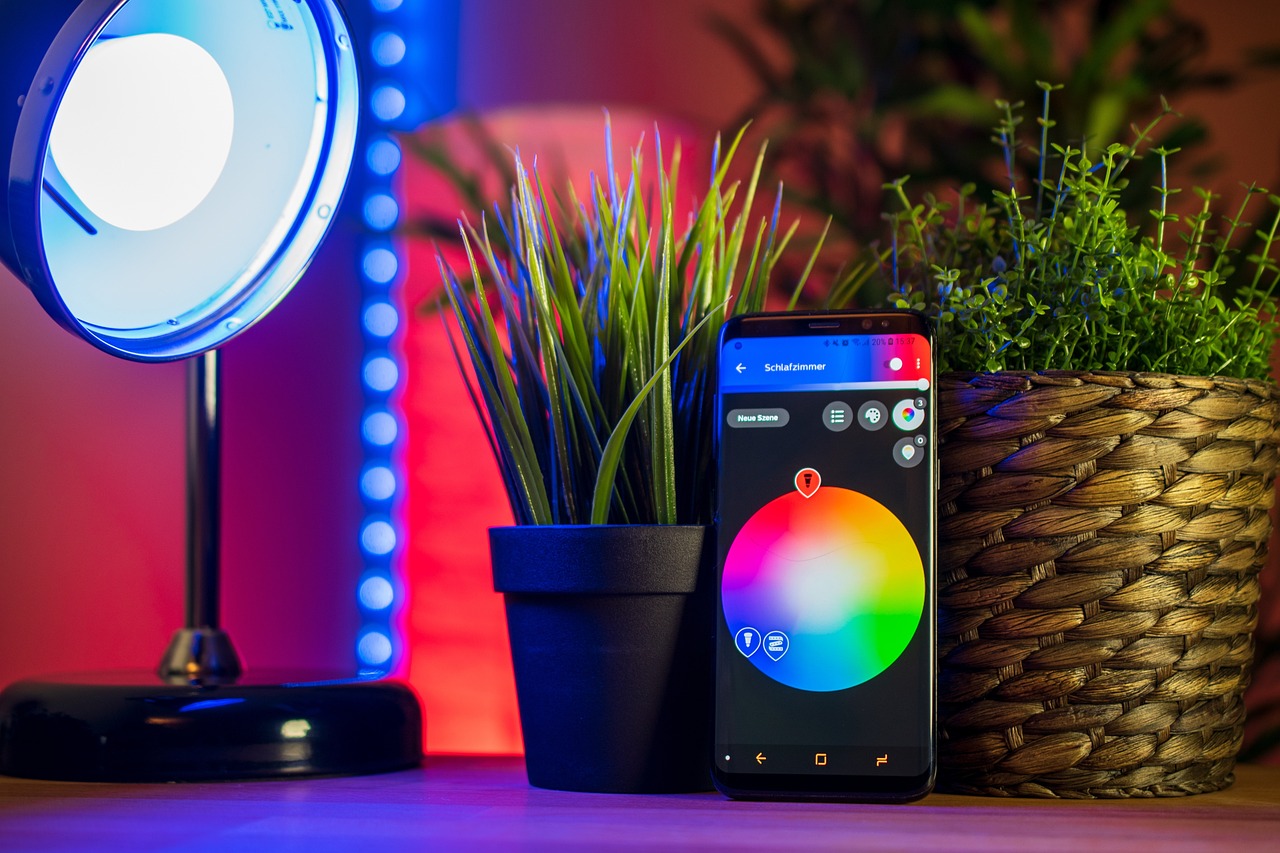
For spaces without direct sunlight access, circadian lighting systems employ programmable LEDs that mimic natural light patterns, shifting from cooler blue-toned light in the morning to warmer amber tones in the evening. These systems have demonstrated measurable improvements in patient sleep quality and reduced delirium in intensive care settings.
Acoustic Environment and Noise Reduction
Hospital noise pollution remains a persistent challenge, with noise levels frequently exceeding World Health Organization recommendations. Beeping monitors, overhead announcements, staff conversations, and equipment movement create a cacophony that interferes with rest and recovery.
Evidence-based acoustic design addresses this through multiple strategies. Sound-absorbing ceiling tiles, wall panels, and flooring materials reduce reverberation. Decentralized nurse stations minimize corridor traffic and conversation volumes. Single-patient rooms eliminate disturbances from roommates. Pneumatic tube systems and low-decibel medical equipment reduce mechanical noise. These interventions collectively improve sleep quality, reduce stress hormone levels, and accelerate healing timelines.
Research indicates that reducing nighttime noise peaks by just 10 decibels can decrease cardiovascular stress responses and improve subjective sleep quality by up to 30 percent. For premature infants in neonatal intensive care units, noise reduction directly correlates with improved weight gain and shortened hospital stays.
Access to Nature and Biophilic Design
The therapeutic benefits of nature exposure are well-documented across multiple medical contexts. Roger Ulrich’s landmark 1984 study found that surgery patients with views of trees recovered faster and required less pain medication than those facing brick walls. Subsequent research has reinforced nature’s healing potential across diverse patient populations.
Biophilic design intentionally incorporates natural elements into built environments. Gardens accessible to patients and families provide restorative spaces for reflection and social connection. Interior courtyards bring outdoor views to interior rooms. Living plant walls improve air quality while creating visual interest. Nature-themed artwork, natural materials like wood and stone, and water features evoke outdoor environments even in urban healthcare facilities with limited green space.
For patients unable to access outdoor spaces, virtual nature experiences through high-definition displays showing dynamic natural scenes have demonstrated stress reduction benefits. These technological solutions make nature’s therapeutic effects available to immobile patients in intensive care or isolation units.
👨⚕️ Enhancing Healthcare Staff Performance Through Design
Reducing Physical and Cognitive Fatigue
Healthcare professionals face demanding physical requirements and intense cognitive loads throughout extended shifts. Thoughtful facility design can significantly reduce unnecessary fatigue, improving both staff wellbeing and patient safety.
Decentralized supply storage places frequently used items closer to point-of-use locations, minimizing walking distances and time spent searching for materials. Ergonomic workstation design reduces musculoskeletal strain from documentation and computer work. Ceiling-mounted patient lifts prevent back injuries while improving patient handling safety. These seemingly minor adjustments compound over thousands of repetitions throughout a career, preventing injury and burnout.
Cognitive fatigue receives equal attention in evidence-based facilities. Clear sightlines from nurse stations enable visual monitoring without constant room entry, reducing interruptions. Standardized room layouts across units allow staff to work efficiently even when floating between departments. Color-coded wayfinding systems and logical equipment placement reduce decision fatigue and medication errors.
Creating Supportive Staff Environments
Healthcare organizations increasingly recognize that staff need restorative spaces just as patients do. Dedicated break rooms with comfortable seating, natural light, and separation from clinical areas allow genuine rest during breaks. Quiet rooms provide private spaces for emotional decompression after difficult cases. On-site fitness facilities and meditation spaces support holistic wellness initiatives.
Collaborative work environments that balance open communication with acoustic privacy enhance teamwork while enabling concentration. Huddle rooms facilitate quick interdisciplinary discussions without formal conference room scheduling. Team stations centrally located within patient zones improve response times and situational awareness.
Research demonstrates direct connections between staff satisfaction with their work environment and patient outcomes. Facilities designed with staff needs in mind experience lower turnover rates, fewer medical errors, improved patient satisfaction scores, and better overall organizational performance.
🔬 Measurable Outcomes of Evidence-Based Design
The financial and clinical case for evidence-based healthcare design is compelling. Organizations that invest in thoughtful facility design realize measurable returns across multiple dimensions:
- Reduced length of stay: Patients in optimized environments recover faster, freeing capacity for additional admissions
- Decreased medication costs: Appropriate environmental support reduces pain medication and sedative requirements
- Lower infection rates: Single-patient rooms and proper ventilation design minimize healthcare-acquired infections
- Improved staff retention: Supportive work environments reduce costly turnover and recruitment expenses
- Fewer medical errors: Fatigue-reducing designs and clear layouts decrease mistakes
- Higher patient satisfaction: Positive experiences improve reputation and competitive positioning
- Reduced workplace injuries: Ergonomic considerations prevent staff injuries and associated costs
A comprehensive study by The Center for Health Design documented that hospitals implementing evidence-based design principles achieved an average 11% improvement in patient satisfaction scores and a 70% reduction in patient falls. Another analysis found that single-patient rooms, despite higher construction costs, generated net savings within two years through reduced infection rates and shortened stays.
🎨 Humanizing Healthcare Through Thoughtful Aesthetics
Beyond functional considerations, evidence-based design addresses the emotional and psychological experience of healthcare. Illness and hospitalization represent vulnerable, stressful experiences for patients and families. Design choices can either amplify or mitigate this distress.
Color psychology informs palette selections. Cool blues and greens promote calm in waiting areas and patient rooms, while warmer tones create welcoming entry spaces. Artwork selection moves beyond generic landscapes to culturally relevant, regionally inspired pieces that create sense of place. Abstract patterns in flooring and textiles add visual interest without clinical sterility.
Wayfinding systems employ intuitive visual hierarchies that reduce navigation anxiety. Landmarks, color coding, and clear signage help patients and visitors move confidently through complex facilities. Digital directories and mobile wayfinding applications provide personalized guidance for those comfortable with technology.
Family-centered design recognizes that healing occurs within social contexts. Visitor-friendly spaces with comfortable seating, work surfaces, and refreshment access acknowledge that family members provide essential support. Flexible furniture arrangements accommodate diverse family configurations and cultural preferences around bedside presence.
♿ Universal Design and Inclusive Healthcare Spaces
Evidence-based design inherently embraces universal design principles, creating environments accessible to individuals with diverse abilities. This approach benefits everyone, not just those with identified disabilities.
Wide corridors and doorways accommodate wheelchairs, walkers, and medical equipment while facilitating efficient staff movement. Adjustable-height fixtures serve patients of different statures and mobility levels. Visual, auditory, and tactile wayfinding cues ensure navigation accessibility across sensory abilities. Gender-neutral restrooms and private consultation spaces respect diverse identities and cultural preferences.
Pediatric spaces require specialized design considerations. Child-scaled fixtures, playful aesthetics, and family integration reduce procedural anxiety and improve cooperation. Adolescent patients benefit from spaces that acknowledge their developmental stage—neither childish nor fully adult—with technology integration and privacy options.
Geriatric design addresses age-related changes in vision, hearing, cognition, and mobility. High-contrast color schemes improve visibility for those with cataracts. Non-glare surfaces reduce visual confusion. Memory support through consistent spatial organization helps patients with cognitive impairment maintain orientation and independence.
🌍 Sustainability and Healing Environments
Environmental sustainability increasingly intersects with healthcare design. Green building practices that reduce energy consumption, water use, and waste generation align with healthcare’s mission to promote health at community and planetary scales.
Natural ventilation strategies, when clinically appropriate, improve air quality while reducing energy costs. Solar panels and geothermal systems decrease fossil fuel dependence. Rainwater harvesting and low-flow fixtures conserve water resources. Material selections prioritize low-VOC products that don’t off-gas harmful chemicals into healing environments.
These sustainable features often directly enhance patient and staff experiences. Operable windows provide fresh air and personal environmental control. Daylighting strategies reduce energy use while supporting circadian rhythms. Gardens and green roofs manage stormwater while providing therapeutic nature access.
Healthcare organizations pursuing LEED certification or similar green building standards report that sustainability features improve recruitment and retention, enhance organizational reputation, and generate long-term operational savings that offset higher initial construction costs.
🔮 The Future of Healthcare Design Innovation
Emerging technologies continue expanding possibilities for evidence-based healthcare environments. Virtual and augmented reality applications provide distraction therapy during painful procedures, environmental familiarization before surgeries, and immersive nature experiences for mobility-limited patients.
Smart building systems integrate sensors monitoring air quality, temperature, humidity, and occupancy to automatically optimize conditions. Patient room interfaces consolidate environmental controls, entertainment, education, and communication into intuitive touchscreens or voice-activated systems that empower patient autonomy.
Modular and adaptable design approaches create flexible spaces that can be rapidly reconfigured for changing medical needs or public health emergencies. The COVID-19 pandemic highlighted the importance of design flexibility, with facilities that could quickly convert spaces to negative-pressure isolation rooms or intensive care capacity managing surges more effectively.
Personalization technologies may eventually allow patients to customize room environments to individual preferences—lighting levels, temperature, sounds, visual displays—creating truly patient-centered healing spaces. Artificial intelligence could analyze individual patient data to recommend optimal environmental configurations for specific conditions or recovery stages.
💪 Implementing Evidence-Based Design in Existing Facilities
While new construction offers ideal opportunities for comprehensive evidence-based design, most healthcare happens in existing facilities. Retrofit strategies can bring evidence-based principles to legacy environments through targeted interventions.
Lighting upgrades represent relatively accessible improvements with substantial impact. Replacing outdated fixtures with LED systems offering color temperature control and dimming capabilities supports circadian health and energy efficiency. Adding task lighting at bedsides and work areas reduces reliance on harsh overhead illumination.
Acoustic improvements through ceiling tile replacement, wall-mounted sound absorption panels, and door seal upgrades reduce noise pollution without structural changes. Flooring replacement with sound-dampening materials further decreases ambient noise levels.
Nature access can be enhanced through window treatments that maximize daylight while controlling glare, addition of interior plants, and nature-themed artwork. Even small healing gardens in underutilized outdoor spaces provide significant therapeutic value.
Furniture and equipment updates improve ergonomics and patient comfort without major construction. Adjustable-height workstations, patient recliners that support family overnight stays, and modular storage systems enhance functionality within existing footprints.

🎯 Taking Action: Moving from Evidence to Implementation
Healthcare leaders seeking to implement evidence-based design should begin with stakeholder engagement across disciplines. Include clinicians, environmental services staff, patients, families, and community members in design conversations. Their experiential knowledge identifies problems and opportunities that research may not capture.
Pilot projects allow organizations to test interventions on limited scales before facility-wide implementation. A single redesigned patient room or unit renovation can provide valuable learning and demonstrate feasibility to skeptical stakeholders. Document outcomes rigorously, measuring relevant metrics before and after changes.
Partner with design professionals experienced in evidence-based healthcare architecture. Their expertise navigates regulatory requirements, infection control standards, and clinical workflow considerations while implementing research-backed design strategies. Look for firms demonstrating commitment to post-occupancy evaluation—returning after project completion to measure outcomes and refine approaches.
Recognize that evidence-based design represents ongoing commitment rather than one-time project. Continuously evaluate environments, stay current with emerging research, and incrementally improve spaces over time. Create feedback mechanisms allowing staff and patients to report environmental concerns and suggestions.
The transformation of healthcare spaces from institutional necessities into healing environments reflects medicine’s growing understanding that effective care addresses the whole person within their environment. Evidence-based design provides the methodological rigor to move beyond intuition, creating spaces proven to accelerate recovery, support caregivers, and honor the profound human experiences unfolding within healthcare facilities. As research continues revealing connections between environment and health, the question is no longer whether design matters but how quickly healthcare organizations can implement these life-enhancing, evidence-backed strategies.