
Creating a serene sanctuary within your home has never been more crucial in our increasingly noisy world. Noise pollution affects not only our peace of mind but also our health, sleep quality, and overall wellbeing.

Whether you’re dealing with street traffic, noisy neighbors, or echoing interiors, implementing noise-reducing design strategies can dramatically transform your living environment. The good news is that soundproofing your space doesn’t mean sacrificing style—today’s acoustic solutions seamlessly blend functionality with aesthetic appeal, allowing you to create a home that’s both beautiful and blissfully quiet.
🎨 Understanding the Science Behind Noise Reduction in Interior Spaces
Before diving into specific design solutions, it’s essential to understand how sound travels through your home. Sound waves move through the air and bounce off hard surfaces, creating echoes and amplifying noise levels. They can also travel through walls, floors, and ceilings, transmitting unwanted sounds from adjacent rooms or neighboring properties.
There are two primary approaches to managing sound in interior design: sound absorption and sound blocking. Sound absorption reduces echo and reverberation within a room by converting sound energy into heat through soft, porous materials. Sound blocking, on the other hand, prevents noise from traveling between spaces by adding mass and density to barriers like walls and doors.
The most effective noise-reducing interior design strategies incorporate both principles, creating layers of defense against unwanted sound while maintaining visual harmony throughout your space.
🛋️ Furniture Selection That Doubles as Sound Dampening
Your furniture choices play a surprisingly significant role in controlling acoustics. Large, upholstered pieces act as natural sound absorbers, helping to reduce echo and reverberation in your rooms. A plush sofa, upholstered armchairs, and cushioned ottomans don’t just provide comfort—they also trap sound waves in their fibers and padding.
Bookcases filled with books create an irregular surface that diffuses sound waves, preventing them from bouncing directly back into the room. Position tall bookcases against shared walls for dual benefits: aesthetic storage and improved sound insulation. The varied depths of book spines create a natural sound diffuser that’s both functional and intellectually sophisticated.
Wooden furniture with complex designs also helps break up sound waves more effectively than smooth, flat surfaces. Consider pieces with carved details, turned legs, or intricate patterns that add visual interest while contributing to better room acoustics.
Strategic Furniture Placement for Maximum Acoustic Benefit
Where you place your furniture matters as much as what you choose. Position large pieces like sofas, wardrobes, and bookcases against walls that face noise sources. This creates an additional barrier between you and the unwanted sound while adding functional living space.
Avoid pushing all furniture against walls in large rooms, as this can create an echo chamber effect. Instead, create conversation areas with furniture floating in the space, which helps break up sound wave patterns and reduces overall noise levels.
🪟 Window Treatments That Silence the Outside World
Windows are often the weakest link in your home’s sound insulation. Single-pane windows, in particular, allow significant noise transmission. While replacing windows with double or triple-glazed alternatives offers the best sound blocking, strategic window treatments provide a more accessible and stylish solution.
Heavy, lined curtains are among the most effective and attractive noise-reducing window treatments. Look for curtains with multiple layers—a decorative outer fabric, a dense middle layer for sound absorption, and a blackout or thermal lining. Velvet, suede, and thick woven fabrics perform particularly well at absorbing sound.
For maximum effectiveness, mount curtain rods as close to the ceiling as possible and choose panels wide enough to extend several inches beyond the window frame on each side. When closed, they should create a complete seal, trapping sound between the window and the fabric layers.
Layering Window Treatments for Enhanced Sound Control
Combining different window treatment types creates multiple barriers against noise. Pair cellular shades or plantation shutters with decorative curtains for both daytime and nighttime sound reduction. The honeycomb structure of cellular shades creates air pockets that absorb sound, while solid shutters add mass to block noise transmission.
Roman shades made from thick, quilted fabrics offer another stylish option that folds neatly when raised but provides substantial sound dampening when lowered. Choose designs with no gaps between fabric folds for the best acoustic performance.
🎭 Wall Treatments That Make a Statement While Muffling Sound
Bare walls reflect sound, creating harsh acoustics and allowing noise to travel freely. Fortunately, numerous wall treatment options enhance both aesthetics and sound absorption. Fabric wall panels have emerged as a popular choice in modern interior design, offering customizable colors, patterns, and textures that complement any décor style.
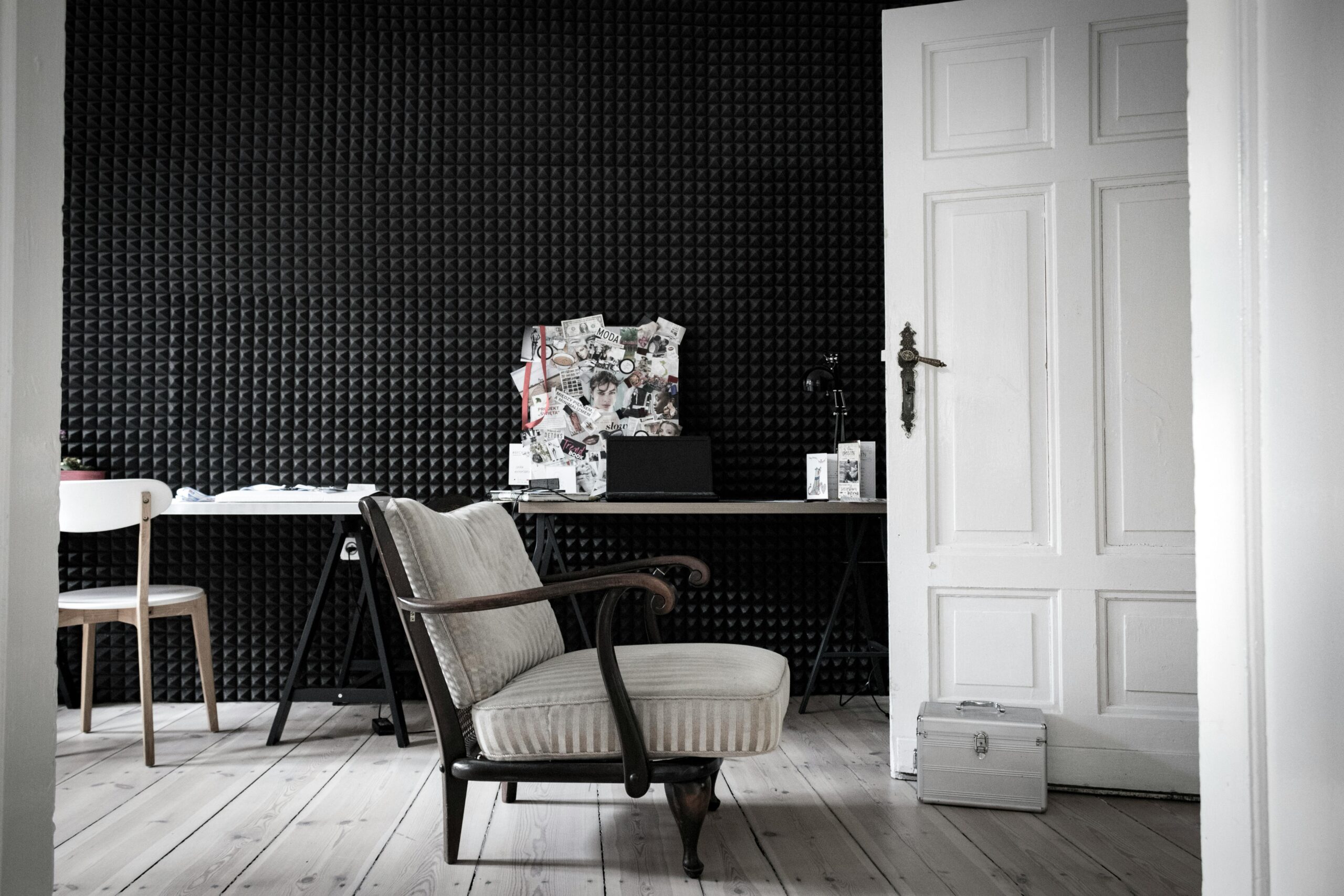
These acoustic panels come wrapped in designer fabrics and can be arranged in artistic configurations—geometric patterns, scattered placements, or full wall coverage. They’re particularly effective in home offices, media rooms, and bedrooms where noise control is essential.
Textured wallpaper adds another layer of sound absorption while creating visual depth. Grasscloth, cork, and flocked wallpapers perform better acoustically than smooth vinyl alternatives. The irregular surface breaks up sound waves and prevents them from bouncing directly back into the room.
Gallery Walls with Acoustic Benefits
Creating a gallery wall with canvas prints, fabric art, and tapestries serves dual purposes: personalizing your space and improving acoustics. Canvas naturally absorbs some sound, and the varied depths of frames create surface irregularities that diffuse sound waves.
For enhanced sound absorption, consider placing acoustic panels behind artwork or choosing pieces mounted on thick stretcher bars that create an air gap between the wall and the canvas. This gap traps sound waves and prevents them from reflecting back into the room.
🌿 Flooring Solutions That Cushion Sound
Hard flooring surfaces like tile, hardwood, and laminate contribute significantly to noise problems by reflecting sound and transmitting impact noise to rooms below. While these materials remain popular for their durability and appearance, incorporating sound-absorbing elements can dramatically improve acoustics.
Area rugs and carpet tiles offer the most straightforward solution. A substantial rug with thick pile absorbs sound from above while the padding underneath prevents noise transmission downward. In open-plan spaces, strategically placed rugs help define zones while controlling acoustics in each area.
For those committed to hard flooring, consider cork or rubber underlayment during installation. These materials absorb impact sound and prevent it from traveling through the floor structure. Cork flooring itself provides excellent acoustic properties while offering a unique, natural aesthetic that works beautifully in contemporary and traditional spaces alike.
Layering Rugs for Style and Silence
The design trend of layering rugs—placing a smaller decorative rug over a larger neutral one—creates additional sound absorption while adding visual interest. Choose a thick, natural fiber rug like jute or sisal as your base layer, then top it with a patterned or textured piece that complements your décor.
This approach works especially well in high-traffic areas like living rooms and dining spaces, where both style and sound control are priorities. The multiple layers trap sound waves between them, providing superior acoustic performance compared to a single rug.
🚪 Door Upgrades That Keep Noise Where It Belongs
Hollow-core doors, common in many homes, offer minimal sound blocking. Upgrading to solid-core doors immediately improves noise isolation between rooms. These heavier doors contain more mass, which prevents sound waves from passing through easily.
Even with solid doors, gaps around the frame allow sound to leak through. Installing door sweeps at the bottom and weatherstripping around the sides and top creates a tighter seal. These inexpensive additions make a noticeable difference in blocking noise transmission.
For rooms requiring maximum sound isolation—home offices, music rooms, or nurseries—consider acoustic door seals that automatically compress when the door closes, creating an airtight barrier against sound. These specialized products maintain a sleek appearance while delivering professional-grade noise reduction.
💡 Ceiling Solutions That Absorb from Above
Ceilings are often overlooked in noise-reduction strategies, yet they significantly impact room acoustics. Sound bounces off hard ceiling surfaces, creating echo and amplifying noise levels. Adding texture and mass to ceilings improves sound absorption substantially.
Acoustic ceiling tiles designed for residential use come in various styles that mimic traditional plaster, pressed tin, or contemporary geometric patterns. These drop-in tiles contain sound-absorbing materials while maintaining an attractive finish that enhances your overall design.
For a more dramatic approach, fabric ceiling treatments create a luxurious look while providing excellent acoustic performance. Stretched fabric systems, ceiling canopies, or even upholstered ceiling panels add softness and dimension to a room while dramatically reducing echo and reverberation.
Architectural Elements with Acoustic Benefits
Exposed beams, coffered ceilings, and other architectural details break up flat ceiling surfaces, naturally diffusing sound. If your space has high ceilings that create echo problems, adding decorative beams (either structural or faux) provides visual interest while improving acoustics.
Hanging installations like acoustic baffles or cloud panels offer a modern solution for loft-style spaces or rooms with very high ceilings. These suspended elements come in countless shapes, sizes, and colors, functioning as kinetic art pieces that also absorb sound from multiple angles.
🌱 Incorporating Nature for Natural Noise Reduction
Plants serve as beautiful, living sound absorbers. Their leaves, stems, and soil all help trap sound waves, reducing overall noise levels. Larger plants with broad leaves or dense foliage perform best, making specimens like fiddle leaf figs, rubber plants, and monstera ideal choices for noise-prone areas.
Creating a plant wall or vertical garden along a shared wall adds substantial sound-absorbing mass while bringing nature indoors. These living installations require proper planning for irrigation and lighting but deliver unmatched aesthetic and acoustic benefits.
Even smaller plants contribute when grouped together. Arrange multiple potted plants on shelves, windowsills, or plant stands to create irregular surfaces that diffuse sound. The varied heights and textures prevent sound waves from bouncing cleanly off walls and windows.
🎵 Room-Specific Strategies for Targeted Noise Control
Creating a Peaceful Bedroom Sanctuary
Bedrooms require special attention to noise control since quality sleep depends on a quiet environment. Layer your noise-reduction strategies by combining upholstered headboards, heavy curtains, plush carpeting or rugs, and soft bedding. Each element contributes to overall sound absorption while creating a cozy, restful atmosphere.
Position your bed away from shared walls when possible, and if noise from adjacent rooms is problematic, place a large upholstered headboard or tall bookcase against the wall. Add a white noise machine or use a sleep sound app to mask unavoidable background noise with more pleasant, consistent sounds.
Optimizing Home Office Acoustics
Clear audio during video calls and concentrated work sessions require careful acoustic planning. Fabric-wrapped acoustic panels positioned strategically around your workspace reduce echo that can make your voice sound hollow on calls. Place panels on walls where sound reflects most—typically the wall behind your monitor and the wall opposite your desk.
A fabric-upholstered desk chair, curtains or blinds on windows, and a substantial rug under your desk all contribute to better sound quality during virtual meetings while creating a more comfortable work environment.
Taming Echo in Open-Concept Living Areas
Large, open spaces with hard surfaces create significant acoustic challenges. Combat echo by dividing the space acoustically with area rugs, substantial furniture groupings, and room dividers. A large sectional sofa, upholstered dining chairs, and multiple rugs defining different zones all help absorb sound throughout the space.
Consider adding a decorative folding screen or open shelving unit to break up long sight lines and sound paths. These elements allow light and visual connection between areas while providing surfaces that diffuse and absorb sound.
🔧 Professional Solutions Worth Considering
For significant noise problems, professional acoustic treatments may be necessary. Soundproofing insulation installed in walls during renovation dramatically improves noise blocking between rooms. Products like mass-loaded vinyl, resilient channels, and specialized drywall systems provide professional-grade sound isolation.
Acoustic consultants can assess your specific situation and recommend targeted solutions that balance effectiveness with aesthetics and budget. This professional expertise is particularly valuable when dealing with chronic noise issues or when planning major renovations where acoustic improvements can be built into the structure.
🎨 Maintaining Style While Prioritizing Quiet
The beauty of modern acoustic design lies in the seamless integration of function and style. Today’s noise-reducing materials come in endless colors, patterns, and textures that complement any design aesthetic—from minimalist modern to traditional elegance.
Choose acoustic solutions that enhance your existing décor rather than compromising it. Fabric panels can be wrapped in any upholstery fabric, matching your curtains or accent pillows. Acoustic ceiling tiles come in designs that mimic architectural details. Even something as functional as a door sweep can be powder-coated to match your hardware finish.
Think of noise reduction as another design layer, like lighting or color selection. Just as you wouldn’t illuminate every corner identically, approach acoustics strategically, addressing problem areas while maintaining your home’s overall aesthetic vision.
🌟 Creating Your Personal Haven of Tranquility
Transforming your space with noise-reducing interior design is an investment in your quality of life. A quieter home means better sleep, improved concentration, reduced stress, and more enjoyable time spent in your personal sanctuary. The strategies outlined here range from simple additions like rugs and curtains to more involved solutions like acoustic wall treatments and door upgrades.
Start by identifying your primary noise concerns and addressing the most problematic areas first. You’ll likely notice immediate improvements that motivate further enhancements. Remember that noise reduction is cumulative—each element you add contributes to the overall effect, creating a progressively more peaceful environment.
Your home should be a retreat from the chaos of the outside world, a place where you can truly relax and recharge. By thoughtfully incorporating these noise-reducing design strategies, you’ll create a space that not only looks beautiful but also provides the tranquility you deserve. The result is a home that nurtures your wellbeing while reflecting your personal style—a perfect harmony of form, function, and peace. ✨