Sound has been used for thousands of years as a powerful tool for healing, transformation, and spiritual growth. From ancient Tibetan singing bowls to modern binaural beats, sound-based healing offers a scientifically-backed pathway to restore balance in our increasingly chaotic world.

The human body is essentially a symphony of vibrations, with each organ, tissue, and cell resonating at its own unique frequency. When these natural rhythms fall out of harmony due to stress, illness, or emotional trauma, sound therapy can help recalibrate our internal frequencies. This ancient practice is now experiencing a renaissance as modern science validates what healers have known intuitively for millennia: sound can profoundly influence our physical, mental, and spiritual wellbeing.
🎵 The Science Behind Sound Healing: How Vibrations Transform Your Biology
Sound healing operates on fundamental principles of physics and biology that scientists are only beginning to fully understand. Every sound produces a vibration that travels through the air and, more importantly, through water—which comprises approximately 70% of the human body. These vibrations create measurable effects at the cellular level, influencing everything from brainwave patterns to immune function.
Research from institutions like the National Institutes of Health has demonstrated that specific sound frequencies can trigger the release of neurotransmitters like dopamine and serotonin, the same chemicals targeted by many pharmaceutical interventions. Unlike medications, however, sound therapy produces these effects without side effects or dependency risks.
The concept of entrainment explains much of sound healing’s effectiveness. When exposed to rhythmic sound patterns, our brainwaves naturally synchronize with those frequencies. This phenomenon allows practitioners to guide individuals into specific states of consciousness—from deep relaxation (theta waves) to heightened focus (beta waves)—simply through carefully selected sounds.
Cymatics: Visualizing Sound’s Physical Impact
Cymatics, the study of visible sound vibration, provides compelling visual evidence of sound’s transformative power. When sound frequencies pass through mediums like water or sand, they create intricate geometric patterns. These same organizing principles occur within our bodies when we’re exposed to healing sounds, potentially explaining how sound can restore order to chaotic biological systems.
Ancient Wisdom Meets Modern Applications 🔮
Indigenous cultures across the globe have preserved sound healing traditions for countless generations. Aboriginal Australians used didgeridoos to treat muscle tears and bone fractures. Tibetan monks employed singing bowls for meditation and spiritual purification. Native American shamans incorporated drumming into healing ceremonies. These practices weren’t mere superstition—they represented sophisticated understanding of sound’s therapeutic properties.
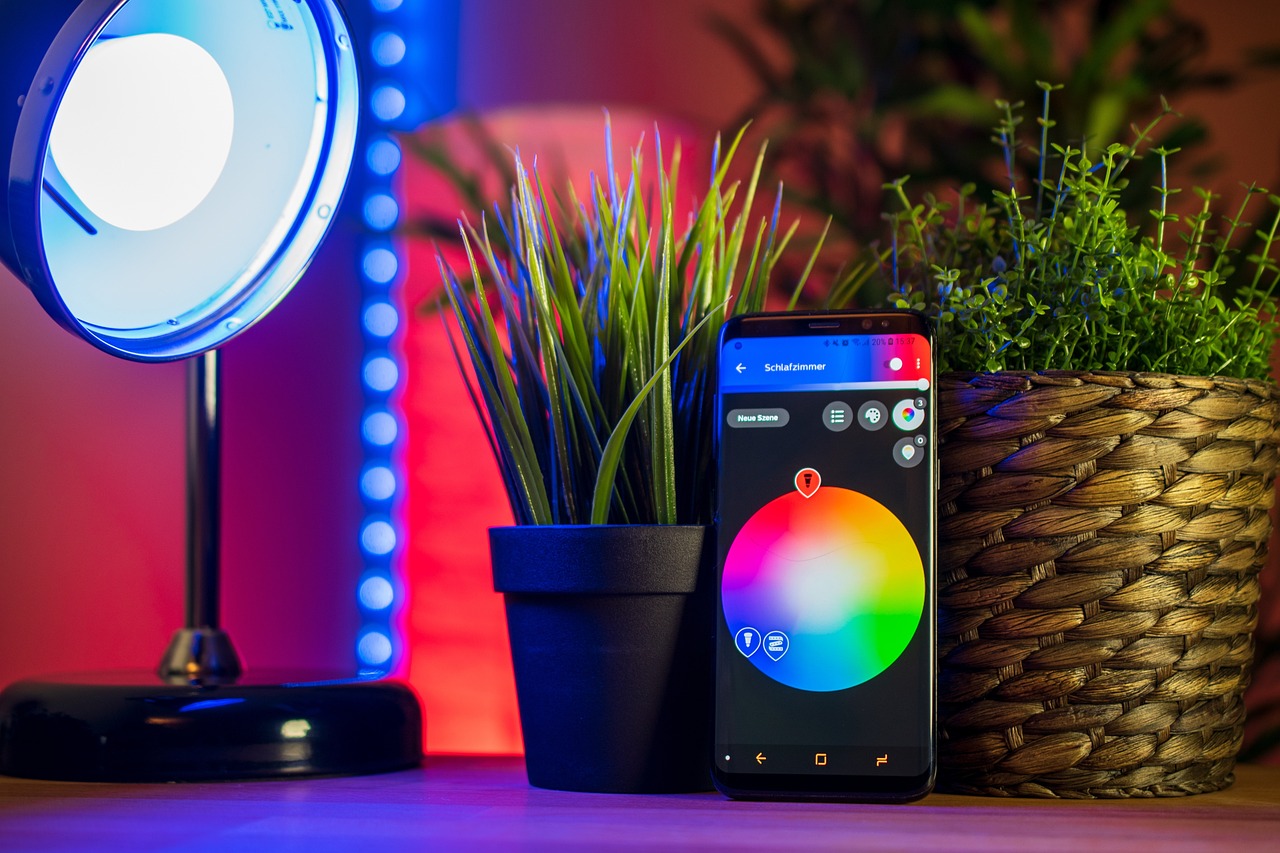
Today’s sound healers combine these ancient techniques with cutting-edge technology. Frequency generators can produce precise tones calibrated to specific healing intentions. Recording technology allows people to access powerful sound healing sessions from the comfort of their homes. Apps and digital platforms have democratized access to practices once available only to spiritual initiates or those who could afford private practitioners.
Diverse Modalities: Finding Your Sonic Path to Wellness
Sound healing encompasses numerous approaches, each offering unique benefits and applications. Understanding these different modalities helps individuals select the methods most aligned with their healing goals and personal preferences.
Binaural Beats and Brainwave Entrainment
Binaural beats occur when two slightly different frequencies are played separately in each ear, creating a third frequency perceived by the brain. This technique efficiently guides brainwaves into desired states. Delta frequencies (0.5-4 Hz) promote deep sleep and healing. Theta waves (4-8 Hz) facilitate meditation and creativity. Alpha frequencies (8-14 Hz) induce relaxation while maintaining alertness. Beta waves (14-30 Hz) enhance focus and cognitive performance.
Research published in the Journal of Alternative and Complementary Medicine found that participants using binaural beat therapy experienced significant reductions in anxiety and improvements in mood after just 60 days of regular practice. The accessibility of this technology through headphones and apps makes it particularly attractive for modern practitioners.
Crystal and Tibetan Singing Bowls 🎶
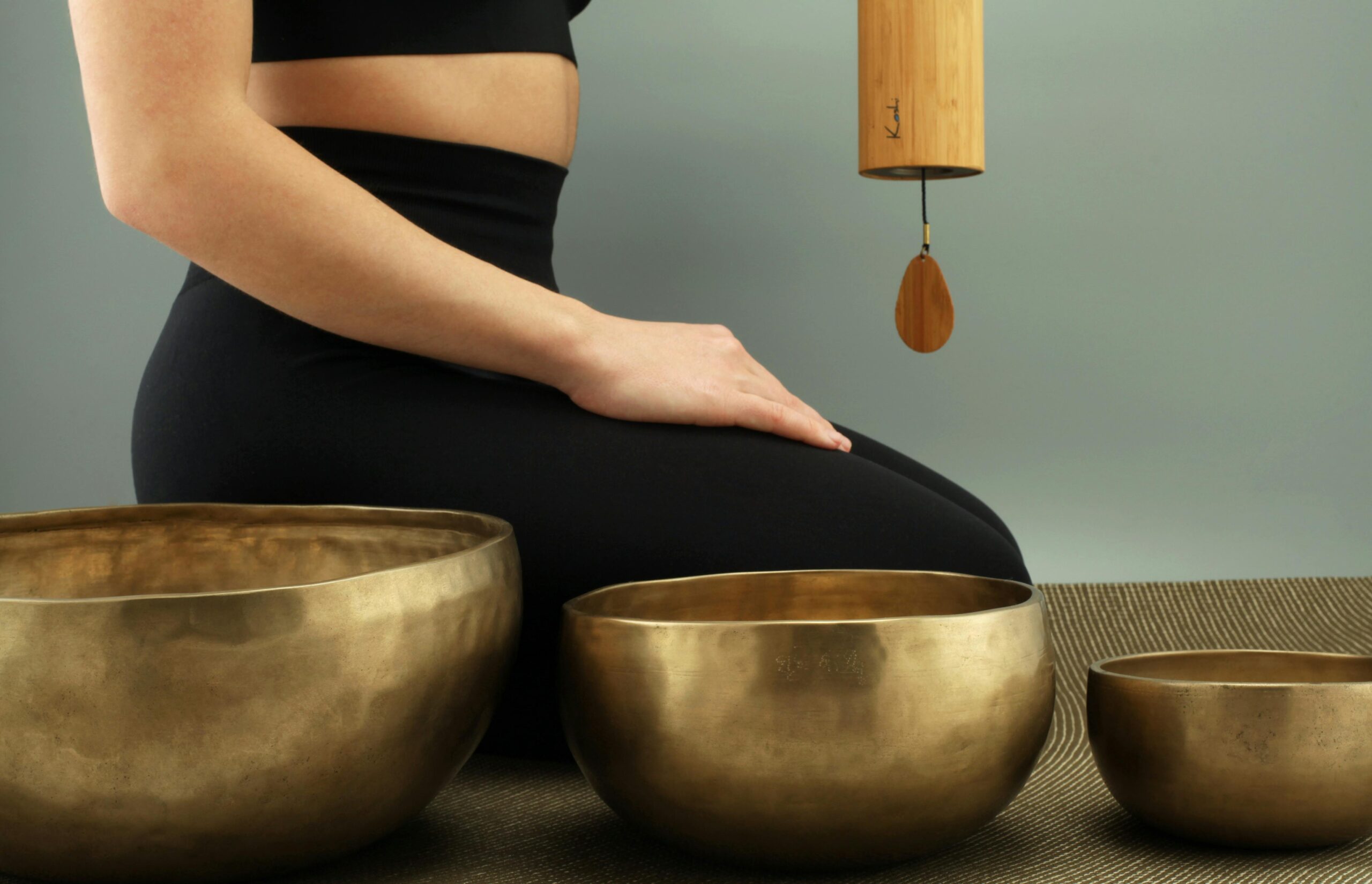
Singing bowls produce rich, complex overtones that create immersive sonic environments. Crystal bowls, typically made from quartz, generate pure tones that practitioners associate with specific chakras or energy centers. Tibetan metal bowls produce warmer, more complex harmonics that many find grounding and centering.
During singing bowl sessions, participants often report profound relaxation, emotional releases, and altered states of consciousness. The sustained resonance of these instruments appears to facilitate a meditative state more easily than silence alone, making them valuable tools for those who struggle with traditional meditation practices.
Tuning Forks: Precision Healing Instruments
Medical-grade tuning forks deliver specific frequencies directly to the body through bone conduction. Practitioners place vibrating forks on acupuncture points, along the spine, or near areas of pain or tension. Different frequencies address different conditions—528 Hz is associated with DNA repair and cellular healing, while 432 Hz is considered the “natural frequency” that promotes overall harmony.
Physical therapists and chiropractors increasingly incorporate tuning forks into their practices, finding they complement manual therapies and accelerate recovery from injuries. The precision of tuning forks makes them ideal for targeted interventions addressing specific physical complaints.
The Mental Health Revolution: Sound as Emotional Medicine 💚
Perhaps nowhere is sound healing more revolutionary than in mental health treatment. Traditional talk therapy and psychiatric medications remain essential for many individuals, but sound-based interventions offer complementary approaches with remarkable potential.
Studies on sound therapy for depression have shown promising results. A 2020 study in the International Journal of Environmental Research and Public Health found that participants who engaged in regular sound meditation experienced reductions in depressive symptoms comparable to those achieved through conventional interventions, with effects persisting months after treatment concluded.
Anxiety and Stress Reduction Through Sonic Intervention
Sound healing demonstrates particular efficacy for anxiety disorders. The immediate calming effect of certain frequencies provides relief during acute anxiety episodes, while regular practice appears to reduce baseline anxiety levels over time. Mechanisms include activation of the parasympathetic nervous system, reduction of cortisol production, and normalization of heart rate variability.
Hospitals and medical centers now integrate sound therapy into treatment protocols for patients experiencing procedural anxiety. Playing specific music or sound frequencies before and during medical procedures reduces the need for sedative medications and improves patient outcomes.
Trauma Recovery and PTSD Treatment
Emerging research suggests sound healing may benefit individuals with post-traumatic stress disorder. Trauma often becomes stored in the body at a somatic level, where traditional talk therapy struggles to reach. The non-verbal nature of sound healing accesses these deep-seated patterns, potentially facilitating release and integration without requiring verbal processing that many trauma survivors find retraumatizing.
Drumming circles, in particular, show promise for veterans and trauma survivors. The rhythmic, predictable nature of drumming provides a sense of safety and control while the physical act of creating sound offers a constructive outlet for difficult emotions.
🌟 Physical Healing: Sound’s Impact on the Body
Beyond mental health benefits, sound therapy demonstrates measurable effects on physical health conditions. While it shouldn’t replace conventional medical treatment for serious conditions, it offers valuable complementary support for numerous health challenges.
Pain Management Through Frequency Medicine
Chronic pain affects millions worldwide, often resisting conventional treatments. Sound therapy provides an alternative or complementary approach that some patients find more effective than pharmaceuticals. Low-frequency sound appears particularly beneficial for musculoskeletal pain, possibly by increasing circulation and promoting muscle relaxation.
A study in Pain Research and Management found that patients with fibromyalgia who received low-frequency sound stimulation experienced significant improvements in pain levels, sleep quality, and overall functioning. Participants reported benefits lasting weeks beyond the treatment period.
Immune System Enhancement
Stress suppresses immune function, increasing vulnerability to infections and illness. By reducing stress hormones and promoting relaxation, sound therapy indirectly supports immune health. Some researchers theorize that specific frequencies may directly influence immune cells, though this remains an active area of investigation.
Cancer treatment centers increasingly offer sound healing as part of integrative care programs. While sound therapy doesn’t treat cancer directly, patients report reduced treatment side effects, improved quality of life, and better emotional coping during their cancer journey.
Cardiovascular Benefits and Blood Pressure Regulation
Music therapy, a close cousin to sound healing, has demonstrated cardiovascular benefits in multiple clinical trials. Listening to calming music reduces blood pressure, decreases heart rate, and improves heart rate variability—markers of cardiovascular health and stress resilience.
Cardiologists at several major medical centers now prescribe music listening as part of hypertension management protocols, recognizing its effectiveness and complete absence of negative side effects.
Spiritual Awakening: Sound as a Portal to Higher Consciousness 🧘
Throughout history, spiritual traditions have recognized sound as a bridge between ordinary consciousness and transcendent states. Chanting, overtone singing, and sacred music facilitate mystical experiences and deepen spiritual practice across virtually all religious and contemplative traditions.
The “Om” chant, fundamental to Hindu and Buddhist practices, isn’t arbitrary—its frequency resonates throughout the body, creating a felt sense of unity and connection. Similarly, Gregorian chants, Sufi dhikr, and Hebrew davening all employ specific sound patterns that alter consciousness and facilitate spiritual experience.
Chakra Balancing Through Sound
The chakra system, originating in ancient Indian philosophy, describes seven energy centers along the spine, each associated with specific physical, emotional, and spiritual functions. Sound healing practitioners use different frequencies to balance each chakra:
- Root Chakra (396 Hz): Grounding, security, survival instincts
- Sacral Chakra (417 Hz): Creativity, sexuality, emotional expression
- Solar Plexus Chakra (528 Hz): Personal power, confidence, transformation
- Heart Chakra (639 Hz): Love, compassion, connection
- Throat Chakra (741 Hz): Communication, truth, authentic expression
- Third Eye Chakra (852 Hz): Intuition, insight, spiritual awareness
- Crown Chakra (963 Hz): Divine connection, universal consciousness
While skeptics question the existence of chakras as physical entities, many practitioners report profound experiences during chakra-focused sound sessions, suggesting these frameworks provide valuable maps for inner exploration regardless of their literal accuracy.
Creating Your Personal Sound Healing Practice ✨
One needn’t be a trained practitioner or own expensive equipment to benefit from sound healing. Simple, accessible practices can be incorporated into daily life with immediate benefits.
Morning Sound Rituals for Energized Days
Beginning your day with intentional sound sets a positive tone for hours to come. A five-minute practice might include gentle stretching while listening to uplifting frequencies, chanting or toning to activate your voice and energy, or playing energizing music that elevates your mood and motivation.
Consistency matters more than duration. Even brief daily sound practices produce cumulative benefits that irregular longer sessions cannot match.
Evening Wind-Down Protocols
Modern sleep disorders often stem from inability to transition from the day’s stimulation to restful states. Sound provides an effective bridge. Creating a pre-sleep sound routine signals your nervous system that rest approaches. This might include listening to delta wave recordings, enjoying a sound bath meditation, or playing gentle nature sounds.
Many practitioners find that sound-based sleep preparation is more effective than sleep medications, without morning grogginess or dependency concerns.
Sound Bathing: Immersive Healing Sessions
Sound baths, increasingly available at yoga studios, wellness centers, and meditation spaces, offer guided group experiences. Participants lie comfortably while practitioners play various instruments—typically singing bowls, gongs, chimes, and tuning forks—creating an immersive sonic environment.
These sessions typically last 60-90 minutes and provide deeper experiences than most home practices can achieve. The combination of skilled facilitation, high-quality instruments, and group energy creates powerful conditions for healing and transformation.
🎧 Technology and Innovation in Sound Healing
Modern technology has revolutionized access to sound healing, making powerful practices available to anyone with a smartphone or computer. Numerous apps offer guided sound meditations, frequency generators, and customizable soundscapes designed for specific healing intentions.
Wearable technology represents the cutting edge. Devices that deliver targeted vibrations to specific body areas combine ancient principles with modern precision. Haptic speakers, which transmit sound through physical vibration rather than air, allow users to literally feel healing frequencies throughout their bodies.
Virtual reality platforms now offer immersive sound healing environments, combining visual and auditory elements for multisensory therapeutic experiences. While research on these emerging technologies remains preliminary, early reports suggest they may enhance traditional sound healing’s effectiveness.
Integrating Sound Healing with Conventional Medicine 🏥
Forward-thinking healthcare institutions recognize sound healing’s value as complementary medicine. Integrative medical centers at major universities now employ certified sound healing practitioners alongside physicians, nurses, and other conventional providers.
This integration benefits patients by addressing health holistically—treating not just symptoms but supporting the whole person’s physical, emotional, and spiritual wellbeing. Healthcare providers increasingly recognize that dismissing practices patients find beneficial undermines the therapeutic relationship, while appropriately incorporating evidence-based complementary approaches enhances outcomes and patient satisfaction.
Insurance coverage for sound therapy remains limited, though some policies cover music therapy when prescribed by physicians for specific conditions. As research evidence accumulates, coverage will likely expand, increasing accessibility for those who might benefit most.
Your Journey Toward Harmonic Wellness Begins Now 🌈
Sound healing offers a gentle yet profound path toward greater health, happiness, and wholeness. Unlike approaches requiring extensive training or expensive treatments, basic sound healing practices are accessible to virtually everyone. Whether you begin with simple breathing exercises accompanied by gentle music, attend a local sound bath, or explore specialized apps and recordings, you’re tapping into an ancient wisdom that modern science increasingly validates.
The beauty of sound healing lies in its universal accessibility and inherent safety. Sound doesn’t discriminate based on belief systems, cultural background, or previous experience. Your body knows how to respond to healing frequencies—the wisdom is already within you, waiting to be activated by the right vibrations.
Start small, remain consistent, and pay attention to subtle shifts in how you feel physically, emotionally, and spiritually. Many people notice changes immediately—deeper sleep, reduced anxiety, or enhanced mood—while others experience gradual transformation over weeks or months. Trust your personal experience as your most valuable guide.
As you explore sound healing’s diverse landscape, remember that what works beautifully for one person may not resonate with another. Experiment with different frequencies, instruments, and approaches until you discover what harmonizes with your unique constitution and needs. Your personal sound healing practice should feel nourishing, never forced or uncomfortable.
The transformative power of sound awaits your discovery. In a world filled with noise and discord, reclaiming sound as a healing force represents a radical act of self-care and spiritual reclamation. May your journey into sound healing bring profound peace, vibrant health, and deep connection to the harmonic universe within and around you.