Sound shapes every moment of our lives, yet most people overlook its transformative potential. Psychoacoustic design harnesses the science of how we perceive sound to create environments that heal, inspire, and elevate human experiences in ways traditional design cannot match.

The intersection of neuroscience, architecture, and audio engineering has given birth to a revolutionary approach that goes beyond simple noise control. By understanding how our brains process acoustic information, designers can now craft sonic environments that influence mood, productivity, memory, and even physical well-being. This mastery represents the future of experiential design across hospitality, healthcare, retail, and residential spaces.
🧠 The Science Behind Psychoacoustic Design
Psychoacoustics explores the psychological and physiological responses to sound, examining how our auditory system interprets frequencies, rhythms, and spatial audio characteristics. Unlike traditional acoustics that focuses on physical sound properties, psychoacoustic design prioritizes human perception and emotional response.
Research demonstrates that specific sound frequencies trigger distinct neurological reactions. Low-frequency sounds between 20-100 Hz can induce feelings of awe or unease, explaining why cinemas use subwoofers for dramatic effect. Mid-range frequencies around 2,000-5,000 Hz naturally draw attention because human voices occupy this spectrum, making these frequencies ideal for alert systems or announcements.
The brain’s auditory cortex doesn’t work in isolation. Sound processing involves the limbic system, which governs emotions and memory formation. This neural connection explains why certain songs instantly transport us to specific moments in our past, and why carefully designed soundscapes can reduce anxiety in medical settings by up to 37% according to studies from healthcare acoustics research.
Frequency Masking and Sonic Layering
One fundamental principle in psychoacoustic design involves frequency masking—the phenomenon where certain sounds make others imperceptible. Skilled designers exploit this by introducing pleasant masking sounds that cover unwanted noise without increasing overall volume levels. Water features in hotel lobbies serve this exact purpose, creating auditory privacy while adding natural ambiance.
Sonic layering takes this concept further by creating depth in acoustic environments. Multiple sound sources at different frequencies and spatial positions generate richness that flat, single-source audio cannot achieve. This technique mirrors visual design principles where layered textures create visual interest and dimensional depth.
🏗️ Architectural Applications That Transform Spaces
Modern architecture increasingly recognizes that buildings should be designed for ears as much as eyes. The acoustic signature of a space fundamentally influences how people experience and remember it. Concert halls have perfected this art for centuries, but now restaurants, offices, and homes benefit from similar acoustic intentionality.
The concept of “acoustic zoning” divides spaces based on their sonic requirements. Open-plan offices implement this through strategic placement of sound-absorbing materials in collaboration zones while maintaining reflective surfaces in private focus areas. This creates distinct acoustic territories without physical barriers, preserving visual openness while providing functional acoustic separation.
Material Selection for Sonic Sculpting
Every surface in a space contributes to its acoustic character. Hard materials like concrete and glass reflect sound, creating brightness and energy but potentially causing harsh reverberations. Soft materials like fabric, wood, and specialized acoustic panels absorb sound, reducing echo and creating intimacy.
Strategic material placement transforms acoustic behavior. Restaurants plagued by noise use ceiling baffles and upholstered seating to reduce reverberation time from disruptive 2+ seconds to comfortable 0.8-1.2 seconds. This simple intervention makes conversations effortless and extends dining duration, directly impacting revenue through improved customer satisfaction.
Diffusion represents the third acoustic treatment approach, scattering sound waves rather than absorbing or reflecting them. Geometric wall features, book-filled shelves, and specialized diffuser panels break up sound reflections, creating acoustic liveliness without harshness. Recording studios rely heavily on diffusion to achieve their characteristic “accurate” sound.
🎵 Curating Soundscapes for Emotional Impact
Beyond architectural acoustics, active sound design introduces intentional audio content to shape experiences. Retailers have practiced this for decades with background music, but psychoacoustic mastery elevates the approach from background noise to emotional architecture.
Tempo directly influences behavior patterns. Studies show that slow-tempo music (under 72 BPM) in restaurants increases meal duration and beverage consumption by 15-20%, while faster tempos accelerate customer turnover during peak hours. Retail environments use upbeat music (120-130 BPM) to energize shoppers and encourage browsing.
Binaural Beats and Brainwave Entrainment
Cutting-edge psychoacoustic applications employ binaural beats—slightly different frequencies played in each ear that create perceived beats within the brain. When the left ear receives 200 Hz and the right ear 210 Hz, the brain perceives a 10 Hz beat corresponding to alpha brainwave frequencies associated with relaxed alertness.
Wellness facilities, meditation spaces, and progressive workplaces integrate binaural audio to facilitate desired mental states. Delta frequencies (0.5-4 Hz) promote deep sleep, theta frequencies (4-8 Hz) enhance creativity and meditation, alpha frequencies (8-13 Hz) support relaxed focus, and beta frequencies (13-30 Hz) boost concentration and alertness.
This technology has moved beyond specialized headphone experiences into spatial audio systems that deliver psychoacoustic benefits throughout entire rooms, though individual headphone applications remain most effective for targeted brainwave entrainment.
💼 Commercial Applications Driving Business Results
Forward-thinking businesses recognize psychoacoustic design as competitive advantage rather than aesthetic luxury. The sonic environment directly impacts customer dwell time, employee productivity, and brand perception—all metrics with measurable financial consequences.
Hotels represent prime examples of psychoacoustic investment. Luxury properties dedicate significant budgets to soundproofing between rooms, curating lobby soundscapes, and even designing signature sounds for elevators and door closures. The Ritz-Carlton chain invested in custom audio branding that plays subtle, signature tones throughout guest touchpoints, creating subconscious brand recognition that enhances perceived value.
Healthcare Settings and Healing Soundscapes
Medical facilities face unique acoustic challenges where sound directly impacts patient outcomes. Hospital noise levels average 55-65 dB—significantly above WHO recommendations of 35 dB for patient rooms. This constant noise disrupts sleep, elevates stress hormones, and slows healing processes.
Progressive healthcare facilities implement comprehensive psychoacoustic strategies including sound-absorbing ceiling systems, private room designs that eliminate corridor noise, and therapeutic soundscapes featuring nature sounds. Cleveland Clinic reduced patient stress indicators by 27% after implementing acoustic renovation focused on psychoacoustic principles rather than simple noise reduction.
Surgery centers use carefully selected music to reduce patient anxiety without sedation, lowering anesthesia requirements and associated risks. The specific music choices matter—research indicates nature sounds and classical music at 60-80 dB reduce pre-operative anxiety more effectively than silence or generic background music.
🏡 Residential Design for Daily Well-Being
Home represents where acoustic design impacts life most intimately. Yet residential acoustics typically receives minimal attention beyond basic soundproofing between apartments. Psychoacoustic residential design considers how sound influences sleep quality, family communication, work-from-home productivity, and relaxation.
Bedroom acoustics particularly deserve attention given sleep’s fundamental importance. Soft, absorptive materials reduce echo and create acoustic cocoons conducive to rest. Strategic noise masking through white noise machines or subtle environmental sounds helps mask disruptive nighttime noises without adding jarring volume.
Smart Home Integration for Acoustic Control
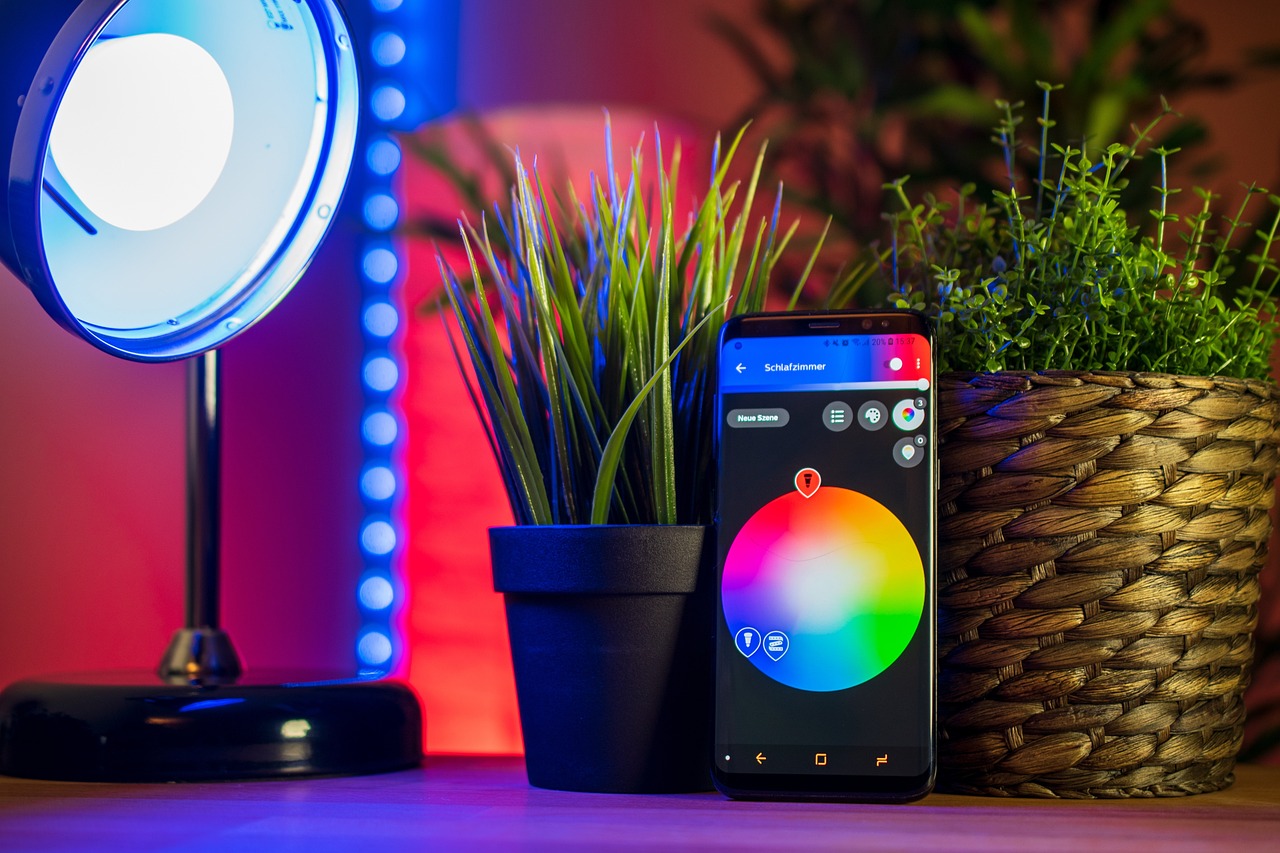
Connected home technology enables dynamic acoustic environments that adapt throughout the day. Morning soundscapes featuring gradual volume increases and energizing frequencies support natural waking, while evening programs transition to warmer tones and slower tempos that encourage melatonin production.
Spatial audio systems distributed throughout homes create seamless sonic transitions between rooms, eliminating the jarring silence or volume changes that occur with traditional single-room speakers. This continuity reduces stress and creates residential coherence that mirrors visual design flow.
🎧 Technology Enabling Psychoacoustic Innovation
Advanced audio technology makes sophisticated psychoacoustic design accessible beyond specialized installations. Spatial audio processing, once requiring expensive equipment, now runs on consumer devices through algorithms that create three-dimensional soundfields from standard speakers.
Beamforming technology directs sound to specific locations rather than broadcasting omnidirectionally. Museums use this to deliver exhibit information to viewers without disturbing adjacent spaces. Offices employ beamforming to create private audio zones in open environments, enabling confidential calls without enclosed rooms.
Acoustic Measurement and Analysis Tools
Professional psychoacoustic design relies on measurement tools that capture objective acoustic data. Spectrum analyzers reveal frequency distribution, decay time measurements assess reverberation characteristics, and spatial mapping identifies problematic reflections or dead zones.
Modern smartphone applications democratize acoustic analysis, allowing designers and facility managers to conduct preliminary assessments without specialized equipment. While professional consultation remains valuable for complex projects, accessible measurement tools enable informed decision-making about acoustic interventions.
🌿 Nature-Inspired Acoustic Design
Biophilic design principles extend beyond visual plant integration to include natural soundscapes. Human auditory systems evolved processing natural sounds—wind, water, birdsong—making these sounds inherently less stressful than mechanical noises even at equivalent volumes.
Water features serve triple functions: providing pleasant natural sound, masking unwanted noise through frequency overlap, and adding humidity that slightly dampens high-frequency harshness. The specific water sound varies dramatically based on fall height, surface texture, and basin design, allowing designers to tune these features for desired acoustic characteristics.
Natural material acoustics contribute authenticity that synthetic alternatives cannot replicate. Wood surfaces produce warm sound reflections with natural frequency absorption patterns. Stone creates distinctive acoustic signatures that vary by type and finish. These natural acoustic properties connect occupants to material authenticity at subconscious levels.
🔮 Future Directions in Psychoacoustic Design
Emerging technologies promise even greater acoustic personalization and adaptability. Artificial intelligence systems learn individual preferences and automatically adjust soundscapes based on occupancy, time of day, and even detected stress levels through biometric sensors.
Ultrasonic parametric speakers create highly directional audio beams, enabling multiple people in the same room to hear completely different soundscapes based on their location. This technology could revolutionize shared spaces by providing personalized acoustic environments without headphones.
Virtual and augmented reality applications increasingly recognize acoustic design’s importance to immersion. Spatial audio that accurately reflects virtual environment acoustics—echoing in virtual cathedrals, dampening in virtual forests—dramatically enhances presence and realism. These digital acoustic models inform physical space design by allowing designers to audition acoustic treatments before construction.
🎯 Implementing Psychoacoustic Principles Practically
Effective psychoacoustic design balances scientific principles with practical constraints including budget, aesthetics, and existing architecture. Simple interventions often yield significant improvements before comprehensive renovations become necessary.
Begin with acoustic assessment identifying specific problems—excessive reverberation, intrusive external noise, poor sound isolation, or lack of acoustic interest. Different problems require different solutions, making accurate diagnosis essential before intervention.
Prioritize high-impact areas where occupants spend significant time or where acoustic performance directly affects function. Conference rooms, bedrooms, and dining areas typically justify acoustic investment more than circulation spaces or storage areas.
Budget-Conscious Acoustic Improvements
Significant acoustic enhancement doesn’t require extensive renovation. Adding textiles through curtains, rugs, and upholstered furniture absorbs reflections and reduces echo. Strategic furniture placement breaks up sound paths and creates acoustic variety. Plants provide mild sound absorption while delivering biophilic benefits.
DIY acoustic panels constructed from rigid insulation wrapped in fabric offer professional performance at fraction of commercial panel costs. Mounting these strategically at reflection points identified through acoustic analysis targets interventions where they matter most.
🌟 The Holistic Impact of Masterful Acoustic Design
Psychoacoustic design mastery represents more than technical skill—it requires understanding human perception, emotional response, and contextual appropriateness. The most successful acoustic environments disappear from conscious attention, creating comfort and function without announcement.
This invisibility paradoxically demonstrates acoustic design’s success. When conversations flow effortlessly, sleep comes naturally, and spaces feel inexplicably comfortable, masterful psychoacoustic design has transformed environments at levels occupants feel but rarely consciously recognize.
Investment in acoustic excellence yields returns through improved satisfaction, productivity, health, and experience quality. As society increasingly recognizes sound’s profound impact on well-being, psychoacoustic design shifts from specialized luxury to essential component of thoughtful space creation. The power of sound, properly harnessed, elevates every space and enriches every experience within it.