Soft-tone interiors have become a defining trend in modern home design, offering a refreshing escape from the chaos of everyday life. These calming color palettes create spaces that feel both luxurious and inviting, transforming ordinary rooms into sanctuaries of peace.

The movement toward softer, more neutral design schemes reflects our collective desire for balance and tranquility in our living spaces. By incorporating muted hues, gentle textures, and thoughtful design elements, you can create an environment that nurtures your well-being while maintaining impeccable style. This approach to interior design isn’t just about aesthetics—it’s about crafting spaces that support your lifestyle and enhance your daily experiences.
🎨 Understanding the Power of Soft-Tone Color Palettes
Soft-tone interiors revolve around a carefully curated selection of colors that evoke feelings of serenity and sophistication. These palettes typically include shades of cream, beige, soft gray, muted blush, gentle sage, warm taupe, and dusty blue. Unlike bold, saturated colors that demand attention, soft tones create a subtle backdrop that allows your mind to rest and your creativity to flourish.
The psychological impact of these colors cannot be overstated. Research in color psychology consistently shows that softer hues reduce stress levels, lower blood pressure, and promote better sleep quality. When you surround yourself with these gentle tones, you’re essentially creating a visual meditation space that supports mental clarity and emotional balance throughout your day.
What makes soft-tone palettes particularly versatile is their ability to adapt to various lighting conditions. Natural morning light brings out the warmth in cream and beige tones, while evening illumination adds depth and richness to grays and taupes. This dynamic quality means your space continuously evolves throughout the day, maintaining visual interest without overwhelming the senses.
Creating Depth Through Layered Neutrals
One common misconception about soft-tone interiors is that they risk appearing flat or boring. The secret to avoiding this pitfall lies in mastering the art of layering different neutral shades. By combining multiple tones within the same color family, you create visual depth and architectural interest that keeps the eye engaged.
Start with a base color for your walls—perhaps a warm off-white or soft greige—then build complexity by introducing slightly darker or lighter variations through furniture, textiles, and accessories. A linen sofa in natural beige against cream walls, topped with pillows in various shades of taupe and ivory, creates a richly textured visual experience without introducing jarring contrasts.
Texture: The Essential Element for Soft-Tone Success ✨
When working with limited color variation, texture becomes your most powerful design tool. Different materials catch and reflect light in unique ways, adding dimension and visual interest to monochromatic schemes. Consider incorporating bouclé fabrics, natural linen, smooth velvet, woven rattan, brushed metals, and matte ceramics into your space.
A soft-toned room with diverse textures feels infinitely more luxurious and engaging than one relying solely on color. The interplay between smooth and rough, shiny and matte, creates a tactile richness that invites interaction and comfort. This approach also makes your space feel more collected and curated rather than sterile or overly coordinated.
🛋️ Furniture Selection for Soft-Tone Spaces
Choosing furniture for soft-tone interiors requires a thoughtful approach that balances form, function, and visual weight. Opt for pieces with clean lines and gentle curves rather than sharp angles or overly ornate details. The goal is to maintain the serene atmosphere while ensuring each piece contributes to both aesthetic appeal and practical living.
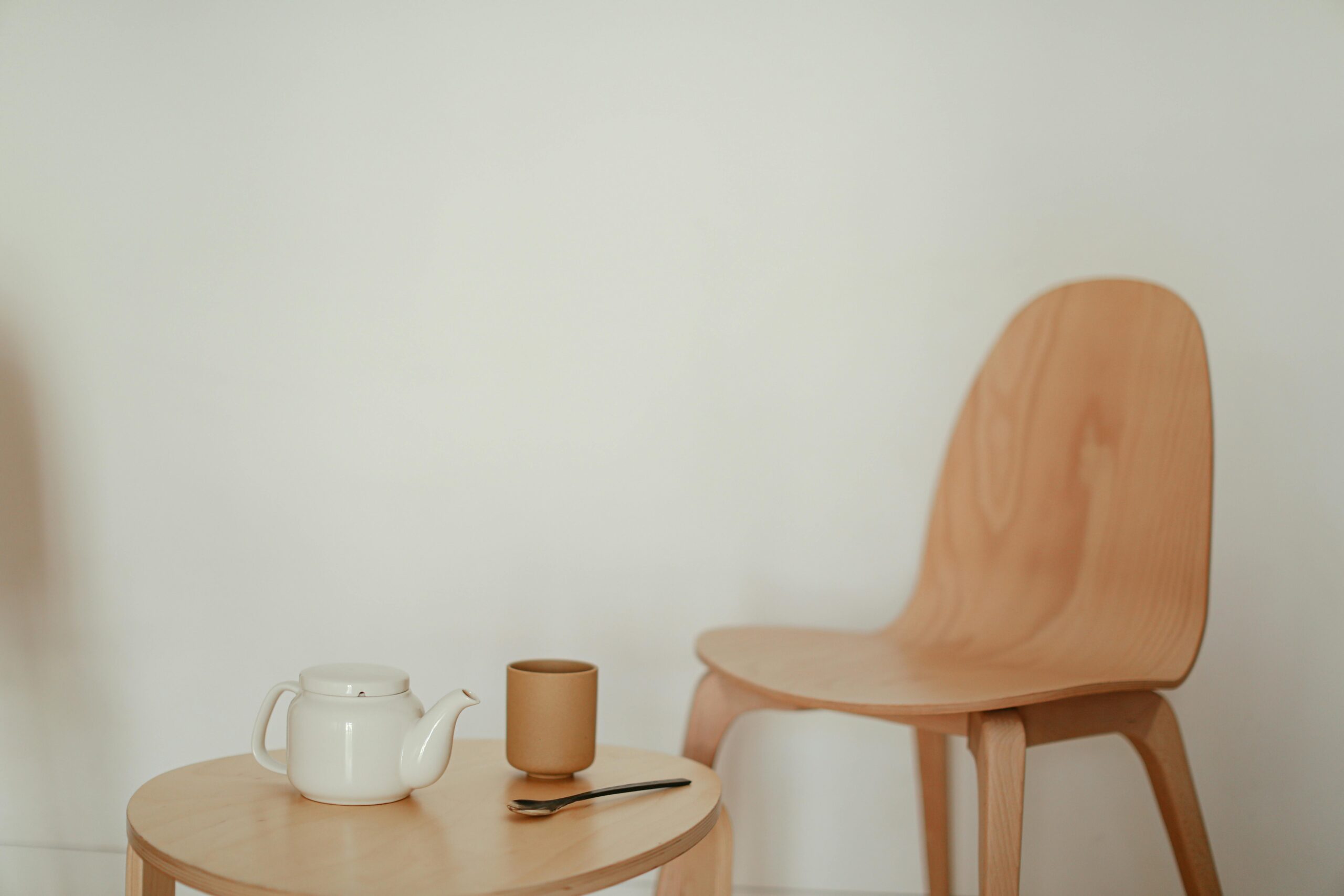
Natural wood furniture in lighter finishes—such as oak, ash, or whitewashed pine—complements soft-tone palettes beautifully. These materials bring warmth and organic texture while maintaining the overall light and airy feel. Upholstered pieces in neutral fabrics create comfortable focal points without disrupting the harmonious color flow.
Strategic Furniture Placement for Flow and Function
The way you arrange furniture significantly impacts how soft tones are perceived in your space. Create conversation areas that encourage connection while maintaining clear pathways for easy movement. Allow adequate space between furniture pieces to prevent the room from feeling cluttered, which would undermine the peaceful atmosphere you’re cultivating.
Consider the scale of your furniture relative to room size. In smaller spaces, streamlined pieces in lighter tones help maintain an open, breathable feeling. Larger rooms can accommodate more substantial furniture, but maintaining visual lightness through color choice prevents the space from feeling heavy or oppressive.
Lighting Design: Illuminating Your Serene Sanctuary 💡
Lighting plays a transformative role in soft-tone interiors, quite literally bringing your design vision to life. The right lighting strategy enhances the subtle nuances of your color palette while creating ambiance that shifts from energizing morning light to calming evening glow.
Layer your lighting with three distinct types: ambient lighting for overall illumination, task lighting for specific activities, and accent lighting to highlight architectural features or artwork. In soft-tone spaces, warm-toned LED bulbs (2700K-3000K) work better than cool white options, as they enhance the warmth and coziness inherent in neutral palettes.
Natural light deserves special consideration in soft-tone design. Maximize daylight through strategic window treatments that filter rather than block sunlight. Sheer linen curtains, woven shades, or translucent cellular blinds allow light to permeate while maintaining privacy. The way natural light interacts with soft tones throughout the day creates an ever-changing canvas that keeps your space feeling fresh and dynamic.
Incorporating Natural Elements for Organic Beauty 🌿
Soft-tone interiors achieve their fullest potential when paired with natural materials and living elements. The connection to nature inherent in organic materials resonates perfectly with the calming aesthetic of muted color palettes, creating spaces that feel grounded and restorative.
Introduce plants in varying sizes and textures to add life and subtle color variation. The soft greens of eucalyptus, olive trees, or snake plants complement neutral tones beautifully without overwhelming the palette. Natural fiber rugs in jute, sisal, or wool add textural interest underfoot while reinforcing the organic aesthetic.
Material Choices That Enhance Serenity
Stone, wood, and clay bring earthy authenticity to soft-tone spaces. A travertine coffee table, wooden bowl collection, or ceramic vases in neutral glazes serve as beautiful functional art that supports your design vision. These materials age gracefully, developing patinas that add character and depth over time.
Avoid synthetic materials that might appear cheap or undermine the natural elegance you’re cultivating. When budget constraints exist, prioritize natural materials for high-touch areas and pieces you interact with daily, allowing for more economical choices in less prominent locations.
🎭 Adding Personality Without Disrupting Harmony
A common concern about soft-tone interiors is whether they allow for personal expression. The truth is that neutral backgrounds provide the perfect canvas for showcasing what truly matters to you, allowing meaningful objects to shine without competition.
Curate a collection of items that tell your story—travel souvenirs, family photographs, cherished artwork, or handcrafted pieces. When displayed against soft-tone backgrounds, these personal items gain prominence and visual impact. The restraint shown in your color palette allows your personality to emerge through carefully selected objects rather than competing design elements.
Consider creating gallery walls with artwork in complementary soft tones, or introduce a single statement piece that introduces controlled color without overwhelming the space. Abstract art with muted pigments, botanical prints, or black-and-white photography all work beautifully in these environments.
Textile Layering for Comfort and Visual Interest
Textiles offer an accessible, changeable way to add warmth and dimension to soft-tone spaces. Layer different fabrics throughout your room to create zones of comfort while maintaining cohesive design. Throw blankets, decorative pillows, area rugs, and window treatments all contribute to the overall sensory experience.
Mix patterns carefully within your neutral palette—subtle stripes, delicate florals, geometric prints, and organic textures can coexist peacefully when they share a similar tonal range. This approach adds visual complexity without creating chaos, proving that soft-tone design need never be boring.
Seasonal Textile Updates for Fresh Perspectives 🍂
One advantage of neutral base design is the ease of seasonal refreshing. Swap heavier wool throws for lightweight linen in warmer months. Introduce slightly cooler grays and blues for summer freshness, then return to warmer creams and beiges as temperatures drop. These subtle shifts keep your space feeling current and responsive to natural cycles.
Kitchen and Bathroom Applications for Soft-Tone Design
While living spaces often receive the most attention in interior design discussions, kitchens and bathrooms benefit enormously from soft-tone treatments. These functional spaces transform into spa-like retreats when designed with the same thoughtful approach used in other areas of your home.
In kitchens, consider soft gray or cream cabinetry paired with natural stone countertops in subtle veining patterns. Matte finishes on hardware and fixtures maintain the understated elegance characteristic of this design approach. Open shelving displaying neutral-toned dishes and glassware creates functional beauty that supports your overall aesthetic.
Bathroom transformations prove particularly impactful with soft-tone design. Natural stone tiles, warm wood vanities, and textured towels in coordinating neutrals create a retreat-like atmosphere. The calming effect proves especially valuable in these personal care spaces where we begin and end each day.
🛠️ Practical Implementation: Where to Begin Your Transformation
Starting a soft-tone interior transformation can feel overwhelming, but breaking the process into manageable steps makes it approachable. Begin by identifying which room would benefit most from this calming approach—often bedrooms or living spaces where relaxation is paramount.
Audit your current space and determine what can be repurposed within your new palette. That white bookshelf or natural wood dresser likely fits perfectly. Items in jarring colors or patterns may need to be relocated, donated, or temporarily stored until you decide their fate.
Create a mood board with paint swatches, fabric samples, and inspirational images. This visual reference keeps you focused and ensures new purchases align with your vision. Take your time with major investments like sofas or dining tables, ensuring they’ll serve you well for years to come.
Budget-Conscious Approaches to Soft-Tone Design 💰
Transforming your space doesn’t require unlimited funds. Prioritize paint, which delivers dramatic impact for minimal investment. Repurpose existing furniture with fresh upholstery or slipcovers in neutral fabrics. Shop secondhand for wooden pieces that can be refinished in lighter tones.
Invest in foundational pieces you’ll use daily—a quality sofa, comfortable mattress, or well-made dining chairs—while allowing for more economical choices in accessories and decorative elements. This strategy ensures comfort and longevity while keeping costs manageable.
Maintaining Your Soft-Tone Sanctuary Over Time
Once you’ve created your serene space, thoughtful maintenance preserves its beauty and functionality. Light colors require more attention to cleanliness, but this encourages tidiness that contributes to overall peace and order. Establish simple routines for spot-cleaning upholstery, dusting surfaces, and refreshing textiles.
Soft-tone spaces evolve gracefully over time when you remain committed to your aesthetic vision. As you consider new additions, ask whether they enhance the serenity you’ve cultivated or introduce discord. This mindful approach prevents accumulation of items that don’t serve your design goals.
Resist trendy purchases that might feel dated quickly. The timeless nature of soft-tone design means your space remains relevant and beautiful for years, providing excellent return on your investment of time, money, and creative energy.
🌟 Embracing the Lifestyle That Soft-Tone Design Supports
Ultimately, transforming your space with soft-tone interiors reflects a deeper commitment to intentional living. These environments encourage mindfulness, support rest and rejuvenation, and provide respite from an overstimulating world. Your home becomes more than a place to sleep—it evolves into a true sanctuary that nurtures your best self.
The elegance, comfort, and style inherent in soft-tone design create foundations for meaningful moments. Conversations deepen when surroundings feel peaceful. Creativity flows when visual noise diminishes. Sleep improves when bedrooms truly feel like retreats. These benefits extend far beyond aesthetics, touching every aspect of daily life.
As you embark on your soft-tone interior journey, remember that perfection isn’t the goal—creating a space that genuinely serves and delights you matters most. Allow your design to evolve organically, trusting your instincts while remaining open to inspiration. The serene living experience you’re cultivating will reward you daily, providing endless comfort and joy in the sanctuary you’ve created.