Light is more than just a functional element in our homes—it’s a powerful tool that shapes our emotions, influences our moods, and affects our overall mental health. Understanding how to harness lighting for emotional wellbeing can revolutionize the way we experience our living spaces.

In recent years, scientists, interior designers, and wellness experts have collaborated to uncover the profound connection between lighting and mental health. From the warm glow of sunrise simulation to the calming effects of dimmable evening lights, our relationship with illumination goes far deeper than simply being able to see in the dark. This exploration into mood-enhancing lighting will guide you through practical strategies to transform your environment into a sanctuary that supports your emotional needs throughout every season and every moment of the day.
The Science Behind Light and Emotions 💡
Our bodies are intricately connected to light through our circadian rhythm—an internal biological clock that regulates sleep-wake cycles, hormone production, and mood patterns. When light enters our eyes, it doesn’t just allow us to see; it triggers complex neurological responses that influence how we feel.
The suprachiasmatic nucleus in our brain receives light signals and coordinates with various body systems to release hormones like serotonin during daylight hours and melatonin as darkness approaches. This natural process explains why many people experience seasonal affective disorder during winter months when daylight is scarce, and why proper lighting design can serve as a therapeutic intervention.
Research published in the Journal of Consumer Psychology demonstrates that lighting color temperature significantly impacts cognitive performance and emotional states. Cooler blue-toned lights tend to increase alertness and focus, while warmer amber tones promote relaxation and comfort. Understanding these principles allows us to design lighting schemes that align with our daily activities and emotional needs.
Color Temperature: Setting the Right Emotional Tone
Color temperature, measured in Kelvin (K), represents the warmth or coolness of light. This measurement fundamentally changes how a space feels and how our bodies respond to our environment.
Warm white light, ranging from 2700K to 3000K, mimics the golden glow of candlelight and traditional incandescent bulbs. This temperature range creates intimate, cozy atmospheres perfect for bedrooms, living rooms, and dining areas where relaxation and social connection are priorities. The warm tones signal to our brains that it’s time to wind down, making them ideal for evening spaces.
Neutral white light, between 3500K and 4100K, provides balanced illumination suitable for kitchens, bathrooms, and workspaces where accurate color rendering and moderate energy are needed. This range supports productivity without creating the clinical harshness of cooler lights.
Cool white and daylight bulbs, from 5000K to 6500K, replicate midday sunlight and enhance concentration, alertness, and energy levels. These are excellent for home offices, reading nooks, and areas where detailed tasks require sharp focus and sustained attention.
Implementing Dynamic Lighting Throughout Your Day ☀️
The most sophisticated approach to mood lighting involves creating dynamic environments that shift throughout the day, mirroring natural light patterns. This concept, called human-centric lighting or circadian lighting, supports your body’s natural rhythms and optimizes wellbeing.
Morning lighting should be bright and cool-toned, ideally above 5000K, to suppress melatonin production and boost cortisol levels that help you wake up energized. Position these lights in bathrooms and kitchens where you prepare for the day. If possible, combine artificial lighting with natural daylight exposure by opening curtains and blinds.
Midday illumination can maintain higher brightness levels to sustain energy and focus, particularly in work areas. This is when task lighting becomes especially valuable for preventing eye strain and maintaining productivity without causing fatigue.
Evening transitions should gradually shift toward warmer, dimmer lighting around 2700K to signal your body that sleep is approaching. Implementing this transition starting two to three hours before bedtime significantly improves sleep quality and emotional regulation.
Practical Lighting Strategies for Each Room 🏠
Different rooms serve distinct purposes and require tailored lighting approaches to maximize their emotional benefits. A comprehensive whole-home strategy considers how each space contributes to your daily wellbeing.
Bedroom: Your Sanctuary for Restoration
Bedrooms demand the most careful lighting consideration since quality sleep is fundamental to emotional health. Install dimmable warm lights with a maximum color temperature of 2700K, and avoid overhead fixtures that shine directly into your eyes when lying down.
Bedside lamps with adjustable brightness allow for reading without disrupting melatonin production. Consider amber or red-spectrum night lights if you need illumination during nighttime hours, as these wavelengths have minimal impact on sleep hormones. Blackout options should also be available to create complete darkness when desired.
Living Spaces: Versatility for Multiple Moods
Living rooms and family areas benefit from layered lighting systems that accommodate various activities and emotional states. Combine ambient lighting, task lighting, and accent lighting to create flexible environments.
Overhead fixtures provide general illumination, while table and floor lamps add warmth and intimacy. Dimmer switches give you precise control over intensity, allowing the same space to feel energizing for daytime activities or cozy for evening relaxation. Accent lighting on artwork or architectural features adds visual interest that can elevate mood through aesthetic appreciation.
Home Office: Balancing Energy and Comfort
Workspaces require lighting that sustains focus without causing eye strain or headaches. Position your desk to maximize natural light exposure, ideally with windows to your side rather than directly behind or in front of your screen to prevent glare.
Supplement daylight with adjustable task lighting around 4000K to 5000K during peak productivity hours. As afternoon transitions to evening, shift to warmer tones to help your mind disengage from work mode. This conscious lighting transition creates psychological boundaries between professional and personal time, especially important for remote workers.
Kitchen and Dining Areas: Social and Functional Balance
Kitchens need bright, neutral lighting for food preparation safety and accuracy, typically around 3500K to 4000K. Under-cabinet task lighting eliminates shadows on work surfaces and reduces eye fatigue during meal preparation.
Dining areas benefit from separate, dimmable warm lighting that can be adjusted based on the occasion—brighter for casual family meals and dimmer for intimate dinners. Pendant lights above dining tables create focal points that draw people together and enhance social connection.
Smart Lighting Technology: Automation for Wellbeing 📱
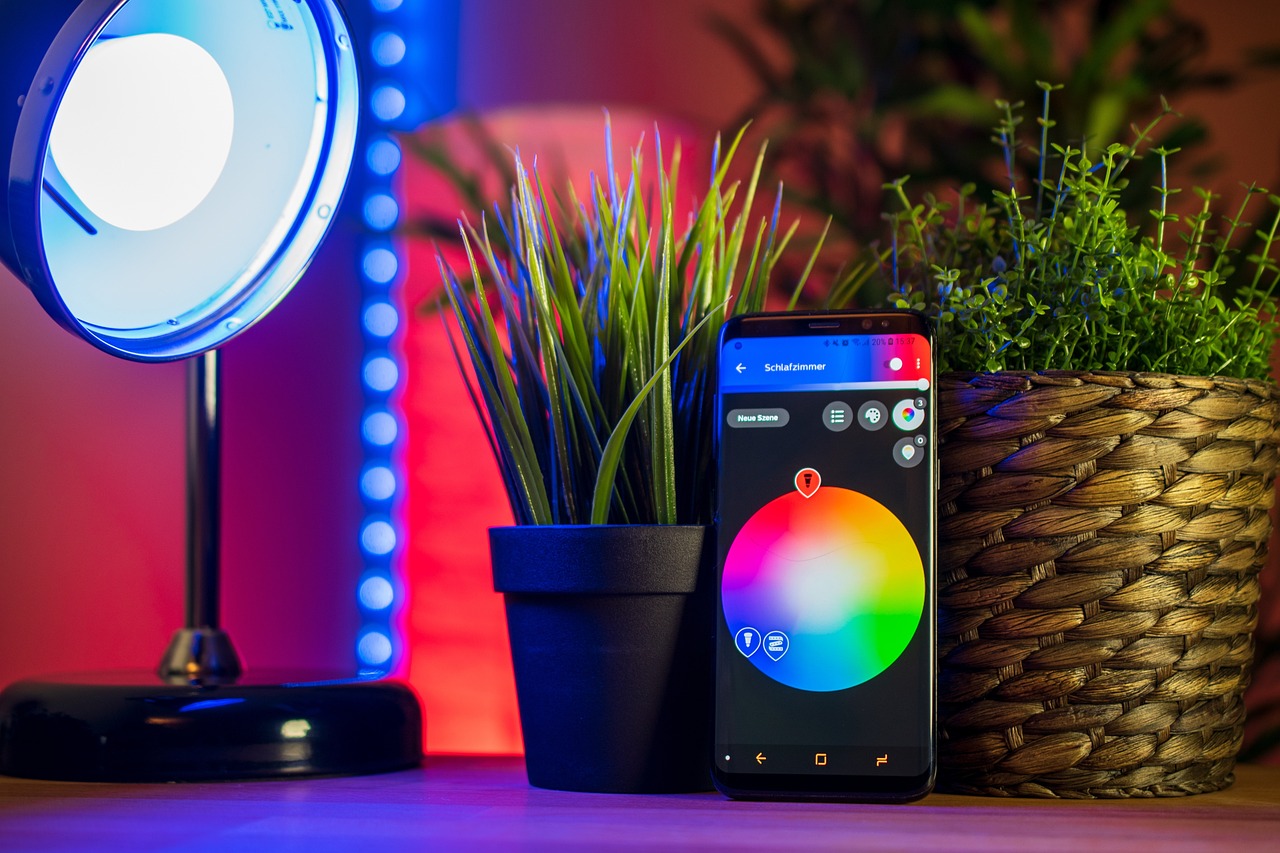
Modern smart lighting systems offer unprecedented control over your environment, allowing you to program lighting scenes that automatically adjust throughout the day. These technologies make maintaining circadian-friendly lighting effortless and consistent.
Smart bulbs and lighting systems can be programmed to gradually brighten in the morning, simulating sunrise to wake you gently and naturally. Throughout the day, they can shift color temperature automatically based on preset schedules or even outdoor light conditions detected through integration with weather data.
Voice control and smartphone apps provide convenience, but the real value lies in automation that requires no conscious effort. Set your lighting to support your wellbeing passively, creating an environment that nurtures positive emotional states without demanding attention or decision-making.
Many smart lighting platforms also include features specifically designed for mood enhancement, such as gentle color-shifting modes for relaxation, energizing sequences for morning routines, and focus modes that maintain optimal brightness and color temperature for concentration.
Natural Light: The Foundation of Wellbeing ☀️
No artificial lighting system, regardless of sophistication, can fully replace the psychological and physiological benefits of natural sunlight. Maximizing daylight exposure should be the cornerstone of any lighting strategy for emotional wellbeing.
Arrange furniture to take advantage of natural light sources, positioning seating areas, desks, and reading spots near windows. Remove heavy curtains or replace them with light-filtering options that provide privacy while allowing daylight to penetrate your space.
Mirrors strategically placed opposite or adjacent to windows amplify natural light by reflecting it deeper into rooms. Light-colored walls and reflective surfaces similarly maximize the impact of available daylight, creating brighter, more uplifting environments.
For spaces with limited window access, consider installing skylights or solar tubes that channel outdoor light into interior rooms. These architectural solutions can dramatically transform dark spaces that would otherwise rely entirely on artificial illumination.
Addressing Seasonal Affective Disorder and Light Therapy 🌤️
Seasonal affective disorder affects millions of people, particularly in regions with limited winter daylight. Therapeutic lighting interventions have proven remarkably effective at alleviating symptoms and maintaining emotional balance during darker months.
Light therapy boxes deliver bright light between 5000K and 10,000K at specific intensities designed to compensate for reduced natural light exposure. Using these devices for 20-30 minutes each morning can significantly improve mood, energy levels, and sleep quality in people experiencing seasonal depression.
Dawn simulation alarm clocks gradually increase light intensity before your scheduled wake time, mimicking natural sunrise. This gentle transition from sleep to wakefulness reduces the jarring stress of traditional alarms and helps maintain circadian rhythm stability during winter months when mornings are dark.
Incorporating bright, cool-toned lighting throughout your home during winter months helps counteract seasonal mood changes even if you don’t experience clinical SAD. Increased light exposure during short winter days supports vitamin D production, regulates neurotransmitters, and maintains energy levels.
Creating Lighting Rituals for Emotional Regulation 🕯️
Beyond the technical aspects of lighting design, creating intentional lighting rituals can serve as powerful anchors for emotional wellbeing. These practices transform lighting from a passive environmental factor into an active tool for self-care.
Morning lighting rituals might include opening all curtains as part of your wake-up routine, symbolically inviting new possibilities into your day. Pairing this with a few moments near a bright light source while enjoying morning coffee or tea creates a consistent pattern that signals alertness and readiness.
Evening wind-down rituals benefit from gradually dimming lights and lighting candles as you transition from active hours to rest time. This practice creates a clear boundary between day and night, helping your mind recognize that it’s time to release stress and prepare for restorative sleep.
Mood-specific lighting adjustments can also support emotional regulation during challenging moments. Feeling anxious? Dim the lights and shift to warm tones. Need an energy boost? Increase brightness and cool the color temperature. These conscious adjustments give you agency over your emotional environment.
Budget-Friendly Approaches to Mood Lighting 💰
Transforming your space with mood-enhancing lighting doesn’t require expensive smart home systems or complete renovation. Practical, affordable strategies can deliver significant benefits without substantial investment.
Start with dimmer switches, which cost between $15-$50 per room and dramatically increase lighting versatility. This single upgrade allows you to adjust existing fixtures for different times of day and activities, providing substantial control over ambiance.
Replace standard bulbs with color-adjustable LED bulbs in your most-used spaces. While slightly more expensive than basic LEDs, these bulbs typically cost $10-$25 each and offer warm-to-cool adjustment capabilities without requiring additional infrastructure.
Add affordable table lamps and floor lamps to create layered lighting. Thrift stores and discount retailers offer numerous options under $30 that provide warm accent lighting perfect for creating cozy atmospheres in the evening.
Maximize natural light with strategic mirror placement and lighter window treatments—changes that cost little but deliver substantial benefits. Even thoroughly cleaning windows can noticeably increase natural light penetration.
Common Lighting Mistakes That Harm Emotional Wellbeing ⚠️
Many conventional lighting approaches inadvertently undermine mood and mental health. Recognizing and correcting these common mistakes can quickly improve your emotional environment.
Overlighting spaces with excessively bright illumination creates sterile, institutional atmospheres that feel uncomfortable and increase stress. This is particularly problematic with cool-toned lights in living spaces and bedrooms where relaxation should be prioritized.
Relying exclusively on overhead lighting creates harsh shadows and lacks the warmth and dimension that support emotional comfort. Single-source lighting flattens spaces visually and fails to provide the flexibility needed for different activities and moods.
Using blue-rich lights in evening hours is perhaps the most harmful common mistake, as it directly suppresses melatonin production and disrupts sleep cycles. Screens emit significant blue light, but bedroom and living space fixtures that add additional blue-spectrum exposure compound the problem.
Neglecting natural light by keeping curtains closed or positioning furniture away from windows wastes the most powerful mood-enhancing light source available. Even limited natural light exposure provides benefits that artificial lighting cannot fully replicate.
Building Your Personalized Lighting Wellness Plan 🎯
Creating an effective lighting strategy for emotional wellbeing requires understanding your unique needs, schedule, and sensitivities. A personalized approach considers your specific circumstances rather than applying generic recommendations.
Begin by tracking your current mood patterns in relation to lighting conditions. Notice when you feel most energized, when concentration becomes difficult, and how evening lighting affects your sleep quality. This awareness reveals opportunities for targeted interventions.
Assess each room’s current lighting using the principles outlined above, identifying specific improvements that would support your wellbeing. Prioritize changes in spaces where you spend the most time or experience the greatest mood challenges.
Implement changes gradually, starting with the most impactful modifications. You might begin with bedroom lighting improvements for better sleep, then address work space illumination for improved focus, and finally enhance living areas for better evening relaxation.
Experiment with different color temperatures, brightness levels, and lighting positions to discover what feels best for you. Individual preferences vary, and what works for others may not perfectly suit your needs. Trust your responses and adjust accordingly.

The Transformative Power of Intentional Illumination ✨
Light profoundly shapes our inner landscape, influencing emotions, energy, sleep quality, and overall mental health in ways we’re only beginning to fully understand. By approaching lighting as a wellness tool rather than merely a functional necessity, you gain a powerful lever for improving daily life.
The investment in mood-enhancing lighting—whether through simple bulb changes or sophisticated smart systems—pays dividends in improved sleep, sustained energy, better focus, and enhanced emotional resilience. These benefits compound over time, contributing to long-term wellbeing in ways that extend far beyond the immediate environment.
Your relationship with light is deeply personal and constantly evolving. As seasons change, life circumstances shift, and personal needs fluctuate, your lighting should adapt accordingly. The flexibility to adjust your environment empowers you to actively support your emotional health rather than passively accepting whatever illumination happens to exist.
Begin today by making one small change—perhaps replacing a single bulb, installing a dimmer, or simply opening curtains earlier in the morning. Each intentional adjustment brings you closer to a space that truly nurtures your wellbeing, one where light serves not just your eyes, but your entire emotional landscape.