Modern lighting technology has evolved far beyond simple illumination, offering sophisticated systems that align with our natural biological rhythms. Circadian lighting represents a revolutionary approach to interior design and wellness, transforming how we experience our living and working environments while supporting optimal health.

Our bodies operate on intricate internal clocks that regulate sleep, hormone production, mood, and cognitive function. When artificial lighting conflicts with these natural rhythms, we experience disrupted sleep patterns, decreased productivity, and compromised well-being. Understanding and implementing circadian lighting solutions can dramatically improve quality of life while creating spaces that feel naturally comfortable throughout the day.
🌅 Understanding Your Body’s Internal Clock and Light Sensitivity
The human circadian system evolved over millions of years to respond to natural daylight patterns. Our eyes contain specialized photoreceptors called intrinsically photosensitive retinal ganglion cells (ipRGCs) that detect light and communicate directly with the brain’s master clock in the suprachiasmatic nucleus. These cells are particularly sensitive to blue wavelengths found in morning sunlight, which signals our body to increase alertness and suppress melatonin production.
When we expose ourselves to bright blue-enriched light during evening hours, we confuse this biological system. The brain interprets this light as daytime, delaying melatonin release and shifting our sleep schedule later. This phenomenon has become increasingly problematic in modern society, where we spend approximately 90% of our time indoors under artificial lighting that rarely mimics natural light patterns.
The Science Behind Light and Hormonal Regulation
Melatonin, often called the sleep hormone, plays a crucial role in regulating our sleep-wake cycle. Production begins in the evening as natural light fades, peaks during nighttime hours, and decreases as morning approaches. Cortisol, the alertness hormone, follows an inverse pattern, rising in the morning to help us wake and declining throughout the day.
Circadian lighting systems work by adjusting color temperature and intensity throughout the day to support these natural hormonal fluctuations. Morning light settings feature cooler temperatures around 5000-6500K with higher intensity, while evening settings shift toward warmer temperatures of 2000-3000K with reduced brightness, preparing the body for restful sleep.
💡 Key Features of Advanced Circadian Lighting Systems
Modern circadian lighting technology incorporates several sophisticated features that distinguish it from conventional lighting solutions. Understanding these capabilities helps you select systems that will deliver meaningful health benefits while enhancing your space aesthetically.
Dynamic Color Temperature Adjustment
The most fundamental feature of circadian lighting is the ability to shift color temperature throughout the day. Quality systems offer smooth transitions between cool blue-white tones in the morning (promoting alertness and focus) to warm amber tones in the evening (encouraging relaxation and melatonin production). These transitions should occur gradually and imperceptibly, mimicking the natural progression of sunlight.
Intensity Modulation and Dimming Capabilities
Beyond color temperature, light intensity significantly impacts circadian regulation. Effective systems provide bright illumination during morning and midday hours, gradually reducing intensity as evening approaches. Advanced solutions offer customizable dimming curves that can be programmed to match your specific schedule and preferences.
Automated Scheduling and Smart Integration
Contemporary circadian lighting systems integrate with smart home platforms, allowing automated scheduling based on sunrise and sunset times for your geographical location. These systems adjust automatically as seasons change, maintaining optimal alignment with natural light patterns year-round without manual intervention.
🏡 Transforming Different Spaces with Circadian Lighting
The application of circadian lighting principles varies depending on the function and usage patterns of different spaces. Strategic implementation considers both the activities performed in each area and the times when those spaces are typically occupied.
Bedroom: Creating the Ultimate Sleep Sanctuary
The bedroom benefits most dramatically from circadian lighting implementation. Install warm-toned bedside lamps with minimal blue light emission for evening reading and pre-sleep routines. Consider blackout capabilities or complete lighting shutdown modes to eliminate all light pollution during sleep hours. Morning wake-up routines can incorporate gradually brightening cool-toned lights that simulate sunrise, providing a natural and gentle wake-up experience.
Home Office: Maximizing Productivity and Focus
Work environments require bright, cool-toned lighting during peak productivity hours. Position circadian desk lamps to provide focused task lighting while overhead ambient systems maintain appropriate room brightness. Schedule intensity peaks during your most demanding work periods, typically mid-morning through early afternoon. Implement automatic transitions to warmer tones as the workday concludes, signaling to your brain that active focus time is ending.
Living Spaces: Supporting Evening Relaxation
Family rooms and living areas benefit from flexible lighting that supports various activities. Layer your lighting design with multiple sources—overhead ambient lighting, reading lamps, and accent lighting—all equipped with circadian capabilities. Program these systems to maintain moderately cool tones during active evening hours, then shift to warm, dim settings as bedtime approaches.
Kitchen and Dining Areas: Balancing Function and Atmosphere
Kitchens require bright, accurate color rendering for food preparation safety while dining areas benefit from warmer, intimate lighting during meals. Implement zone-based circadian controls that allow task areas to maintain appropriate brightness while dining spaces create comfortable ambiance. Evening meal times call for warmer color temperatures that promote relaxation and social connection.
🌟 Health Benefits Backed by Scientific Research
The implementation of circadian lighting systems delivers measurable health improvements supported by extensive scientific research. Understanding these benefits helps justify the investment and motivates consistent use of these technologies.
Improved Sleep Quality and Duration
Multiple studies demonstrate that exposure to appropriate lighting patterns significantly improves sleep quality. Research published in the Journal of Clinical Sleep Medicine found that individuals using circadian lighting experienced faster sleep onset, longer sleep duration, and improved sleep efficiency compared to those exposed to standard lighting. Participants reported feeling more refreshed upon waking and experienced fewer nighttime awakenings.
Enhanced Mood and Reduced Depression Symptoms
Circadian lighting positively impacts mental health, particularly for individuals experiencing seasonal affective disorder (SAD) or general depression. Proper light exposure helps regulate serotonin production, the neurotransmitter associated with mood stability and happiness. Studies show that bright morning light exposure can be as effective as antidepressant medications for mild to moderate depression, with the added benefit of no pharmaceutical side effects.
Increased Alertness and Cognitive Performance
Workplace studies reveal that circadian lighting implementation improves focus, reduces errors, and enhances overall cognitive performance. Research conducted in office environments showed that workers exposed to circadian-optimized lighting experienced 51% reduction in eyestrain, 63% decrease in headaches, and 56% improvement in alertness compared to control groups under standard lighting.
Better Hormonal Balance and Metabolic Health
Emerging research connects proper circadian light exposure with improved metabolic function and hormonal balance. Studies indicate that disrupted circadian rhythms contribute to obesity, diabetes, and cardiovascular disease. By maintaining proper light-dark cycles, circadian lighting supports healthy insulin sensitivity, appetite regulation, and cardiovascular function.
🛠️ Practical Implementation Strategies for Your Home
Successfully integrating circadian lighting into your home requires thoughtful planning and strategic product selection. These practical steps guide you through the implementation process, ensuring you maximize benefits while managing costs effectively.
Assessing Your Current Lighting Situation
Begin by evaluating your existing lighting infrastructure. Document which fixtures are used at different times of day and identify which spaces would benefit most from circadian capabilities. Prioritize areas where you spend significant time during morning and evening hours, as these will deliver the greatest health impact.
Selecting Appropriate Products and Technologies
Circadian lighting solutions range from simple smart bulbs to comprehensive whole-home systems. Smart LED bulbs offering tunable white capabilities provide an affordable entry point for bedroom and office spaces. For whole-room solutions, consider LED panel systems or smart lighting fixtures designed specifically for circadian applications. Ensure products support a wide color temperature range, ideally from 2000K to 6500K, with smooth dimming capabilities.
Creating Effective Lighting Schedules
Program your circadian lighting to align with your personal schedule rather than generic sunrise and sunset times. If you wake at 6 AM, schedule cool bright lighting to begin around 5:45 AM, creating a natural wake-up environment. Maintain energizing light through your morning routine and work hours. Begin transitioning to warmer tones approximately three hours before your desired bedtime, with significant dimming during the final hour before sleep.
Budget-Friendly Phased Implementation
Complete home transformation isn’t necessary immediately. Start with your bedroom, installing circadian-capable bedside lamps and perhaps overhead lighting. Next, address your primary work area with a quality desk lamp and ambient lighting. Gradually expand to living spaces and other areas as budget allows. This phased approach distributes costs while allowing you to experience and refine your lighting preferences before full commitment.
📱 Smart Control Options and Automation Tools
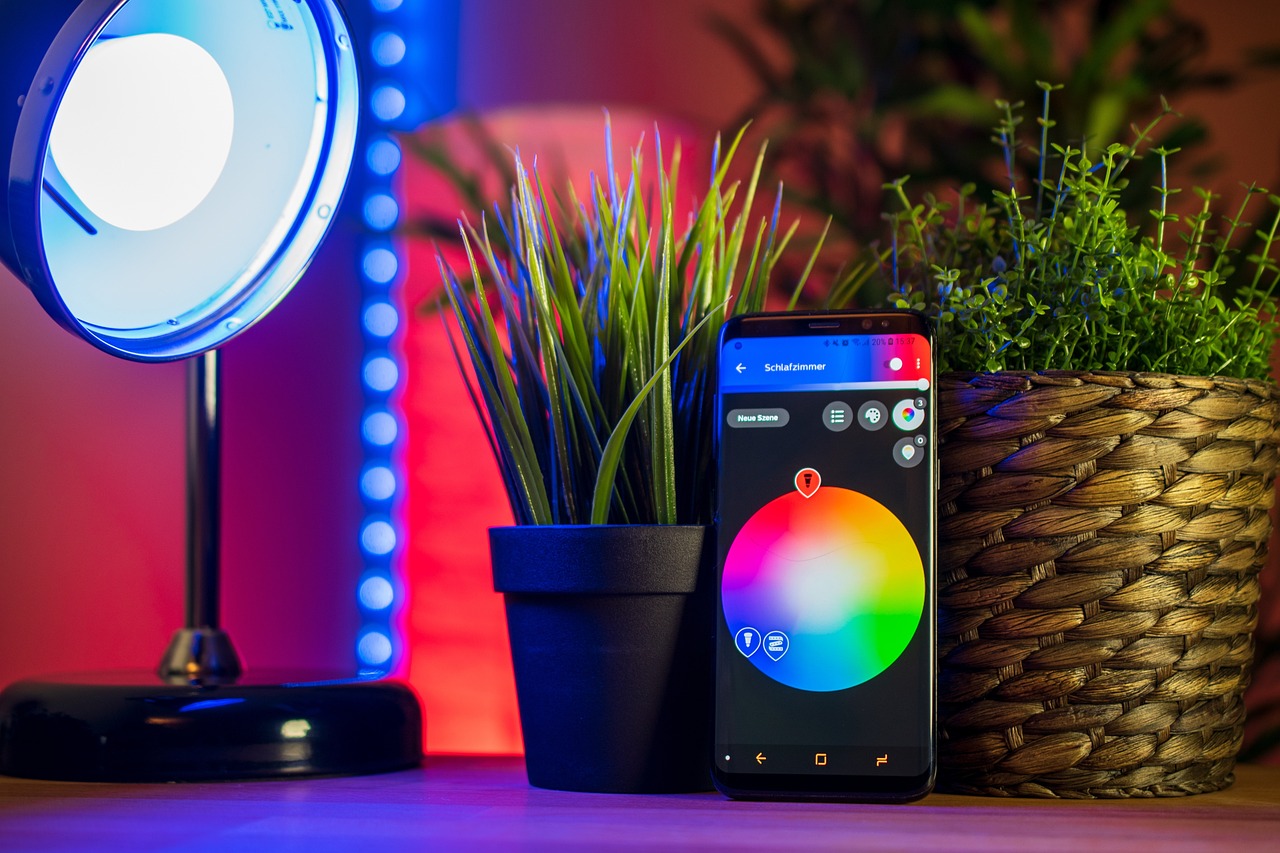
Modern circadian lighting systems offer various control methods, from simple smartphone apps to sophisticated home automation integration. Selecting the appropriate control system enhances usability and ensures consistent adherence to beneficial lighting patterns.
Dedicated Lighting Control Applications
Most smart lighting manufacturers provide companion applications that enable scheduling, scene creation, and manual control. These apps typically offer pre-programmed circadian routines that can be customized to match your schedule. Look for applications with intuitive interfaces, reliable performance, and regular updates supporting new features and device compatibility.
Voice Assistant Integration
Integration with voice assistants like Amazon Alexa, Google Assistant, or Apple Siri enables convenient hands-free control. Program voice commands for common scenarios: “Good morning” to trigger energizing lighting, “Focus mode” for productivity lighting, or “Wind down” for evening relaxation settings. Voice control proves particularly valuable during bedtime routines when reaching for smartphone screens introduces unwanted blue light exposure.
Motion Sensors and Occupancy Detection
Advanced implementations incorporate motion sensors and occupancy detection to automate lighting based on room usage. These systems can activate appropriate circadian settings when you enter a space and switch to energy-saving modes when unoccupied. This automation ensures consistent benefit while reducing energy consumption and eliminating the need for manual control.
🌍 Environmental and Energy Efficiency Considerations
Beyond personal health benefits, circadian lighting systems offer significant environmental advantages when properly implemented. LED-based circadian solutions consume substantially less energy than traditional lighting while providing enhanced functionality.
Modern circadian LED systems use approximately 75% less energy than incandescent bulbs and 50% less than compact fluorescents, while lasting 25 times longer. This longevity reduces manufacturing demand and waste generation. Smart controls further improve efficiency by ensuring lights operate only when needed and at appropriate intensity levels, eliminating energy waste from overly bright or unnecessary lighting.
⚠️ Common Mistakes to Avoid When Implementing Circadian Lighting
Understanding potential pitfalls helps you avoid implementation mistakes that reduce effectiveness or create frustration with your new lighting system.
Inconsistent Usage and Schedule Disruption
Circadian lighting delivers maximum benefit through consistent daily patterns. Frequently overriding automated schedules or exposing yourself to bright screens during evening hours undermines the system’s effectiveness. Commit to following your programmed lighting schedule while also managing screen time, particularly during the two hours before bedtime.
Inadequate Light Intensity During Daytime Hours
Many people set daytime lighting too dim, failing to provide sufficient stimulation for proper circadian regulation. Morning and midday lighting should feel bright and energizing. Aim for illumination levels between 300-500 lux for general spaces and 500-1000 lux for task areas during peak daytime hours.
Excessive Evening Light Exposure
Conversely, maintaining too much brightness during evening hours prevents proper melatonin production. Begin reducing light intensity at least three hours before bedtime, with significant dimming during the final hour. Don’t hesitate to use very warm, dim lighting during late evening hours—your space should feel noticeably different from daytime lighting conditions.
✨ Maximizing Long-Term Success with Your Circadian Lighting System
Sustained benefit from circadian lighting requires ongoing attention and occasional adjustments. Monitor how you feel after several weeks of implementation, noting improvements in sleep quality, daytime alertness, and overall well-being. Track these observations to identify which settings work best for your individual needs.
Seasonal adjustments may be necessary, particularly if you live at higher latitudes where natural daylight hours vary dramatically. Update your lighting schedules as days lengthen or shorten, maintaining alignment with natural patterns. Consider gradually advancing or delaying your lighting schedule when preparing for time zone travel, helping minimize jet lag effects.
Regular evaluation ensures your system continues meeting your needs as circumstances change. Lifestyle modifications, such as shift work changes or new exercise routines, may require schedule adjustments. Remain flexible and willing to experiment with timing and intensity to optimize results.
Investing in circadian lighting technology represents a powerful commitment to long-term health and well-being. By aligning your indoor environment with natural biological rhythms, you create spaces that actively support better sleep, improved mood, enhanced productivity, and overall vitality. The transformation extends beyond mere lighting—it fundamentally changes how your body interacts with your environment, delivering benefits that compound over time and contribute to a genuinely healthier lifestyle. As research continues revealing deeper connections between light exposure and human health, early adopters of circadian lighting position themselves at the forefront of wellness-focused home design, enjoying immediate benefits while investing in sustainable, health-promoting living spaces for years to come.