In our fast-paced, constantly connected world, finding moments of genuine peace has become increasingly challenging. Mental wellness rooms are emerging as sanctuaries where individuals can disconnect from external pressures and reconnect with their inner selves.

These dedicated spaces represent more than just quiet corners; they embody a conscious commitment to prioritizing mental health and emotional balance. As stress-related disorders continue rising globally, the need for accessible, intentional spaces dedicated to mental restoration has never been more critical. Whether in corporate offices, educational institutions, healthcare facilities, or private homes, mental wellness rooms are transforming how we approach self-care and psychological resilience.
🧘 Understanding the Concept of Mental Wellness Rooms
Mental wellness rooms are purposefully designed environments that facilitate relaxation, meditation, mindfulness, and emotional regulation. Unlike traditional spaces, these rooms incorporate specific elements—from lighting and acoustics to furniture and sensory features—that promote psychological comfort and mental clarity.
The foundation of these spaces rests on evidence-based research linking environmental factors to mental health outcomes. Studies consistently demonstrate that our surroundings significantly impact stress levels, cognitive function, and emotional well-being. Mental wellness rooms leverage this knowledge by creating environments that actively support mental restoration rather than merely providing physical shelter.
These spaces serve multiple functions: they offer refuge during moments of overwhelm, provide venues for regular mindfulness practices, facilitate emotional processing, and create opportunities for intentional disconnection from digital distractions. The versatility of mental wellness rooms makes them valuable additions to virtually any setting where people experience stress or mental fatigue.
The Science Behind Restorative Environments 🧠
Environmental psychology has long studied how physical spaces influence psychological states. Research on restorative environments identifies specific characteristics that enable mental recovery: being away from routine demands, experiencing fascination with surroundings, feeling a sense of extent or richness in the environment, and perceiving compatibility between the space and one’s intentions.
Mental wellness rooms intentionally incorporate these elements. The “being away” quality is achieved through physical separation and sensory boundaries that distinguish the space from everyday environments. Fascinating elements might include nature imagery, water features, or carefully curated art that captures attention without demanding cognitive effort.
Neuroscience research reveals that environments designed for wellness activate the parasympathetic nervous system—responsible for the body’s “rest and digest” response. This physiological shift reduces cortisol levels, lowers blood pressure, decreases heart rate, and facilitates the mental clarity necessary for problem-solving and emotional regulation.
Color Psychology and Lighting Considerations
The visual elements within mental wellness rooms profoundly influence their effectiveness. Color psychology research indicates that certain hues promote specific psychological states. Blues and greens typically induce calmness and reduce anxiety, while warm neutrals create feelings of safety and comfort. Harsh whites or overly stimulating colors are generally avoided in favor of muted, nature-inspired palettes.
Lighting design is equally crucial. Natural light exposure regulates circadian rhythms and improves mood, making windows or skylights valuable features. When natural light isn’t available, full-spectrum lighting that mimics daylight provides similar benefits. Dimmable fixtures allow users to adjust brightness according to their activities and preferences, whether engaged in active meditation or quiet rest.
Essential Elements of Effective Mental Wellness Rooms ✨
Creating a truly transformative mental wellness space requires thoughtful consideration of multiple components that work synergistically to support psychological restoration.
Comfortable Seating and Positioning
Furniture selection goes beyond aesthetics. Ergonomic seating that supports various postures—from upright meditation to reclined relaxation—accommodates different wellness practices. Floor cushions, meditation chairs, recliners, and yoga mats provide options that respect individual preferences and physical needs.
The arrangement of furniture should avoid institutional rigidity. Instead, flexible configurations allow users to customize their experience, whether they prefer facing a window, sitting against a wall, or creating intimate seating circles for group sessions.
Sound Management and Acoustic Design
Acoustic considerations are fundamental to mental wellness rooms. Sound insulation prevents external noise intrusion, while internal acoustics are designed to avoid echo and harshness. Many effective spaces incorporate sound-masking features like white noise machines, nature soundscapes, or gentle music systems.
The option for complete silence is equally important. Users should control their auditory environment, choosing between guided meditations, calming music, nature sounds, or pure quietude based on their current needs and preferences.
Nature Connection and Biophilic Design
Biophilic design principles—which integrate natural elements into built environments—significantly enhance mental wellness rooms. Living plants improve air quality while providing visual connection to nature. Natural materials like wood, stone, and organic textiles create tactile richness and psychological warmth.
When direct nature access isn’t possible, high-quality nature imagery, water features, or natural light simulation can provide similar psychological benefits. Research consistently shows that even indirect nature exposure reduces stress and improves cognitive function.
Different Types of Mental Wellness Rooms for Various Settings 🏢
Corporate Wellness Spaces
Forward-thinking organizations increasingly recognize that employee mental health directly impacts productivity, creativity, and retention. Corporate mental wellness rooms provide employees with accessible spaces to decompress during high-stress periods, practice mindfulness during breaks, or simply find quiet for focused thinking.
These spaces communicate organizational commitment to holistic employee wellbeing beyond traditional health benefits. Companies implementing wellness rooms report improved workplace satisfaction, reduced absenteeism, and enhanced team morale.
Educational Institution Calm Rooms
Students face unprecedented academic pressures, social challenges, and anxiety levels. Mental wellness rooms in schools and universities offer students safe havens for emotional regulation, stress management, and mental reset between demanding academic activities.
Educational wellness spaces often include resources for guided breathing exercises, stress-relief tools, and comfortable seating designed for brief restoration periods. These rooms normalize mental health care and teach students valuable self-regulation skills they’ll carry throughout life.
Healthcare Facility Respite Areas
Healthcare environments—inherently stressful for patients, families, and staff alike—benefit tremendously from dedicated mental wellness spaces. These rooms provide patients with opportunities for emotional processing, offer families refuge during difficult waiting periods, and give healthcare workers essential spaces for psychological recovery from emotionally demanding work.
Home Sanctuary Spaces
Personal mental wellness rooms at home represent ultimate commitment to self-care. Whether converting a spare bedroom, carving out a corner of a larger room, or creating an outdoor sanctuary, home wellness spaces provide consistent access to restorative environments without requiring travel or scheduling.
Home spaces can be highly personalized, incorporating meaningful objects, preferred aromatherapy, customized lighting, and personally significant imagery that resonates with individual wellness needs and spiritual practices.
Incorporating Technology Mindfully 📱
While mental wellness rooms primarily offer refuge from digital overwhelm, certain technologies can enhance rather than detract from the experience when used intentionally.
Meditation and mindfulness apps provide structured guidance for those developing their practice. Applications offering breathing exercises, body scans, guided visualizations, and progressive muscle relaxation transform wellness rooms into virtual studios with expert instruction.
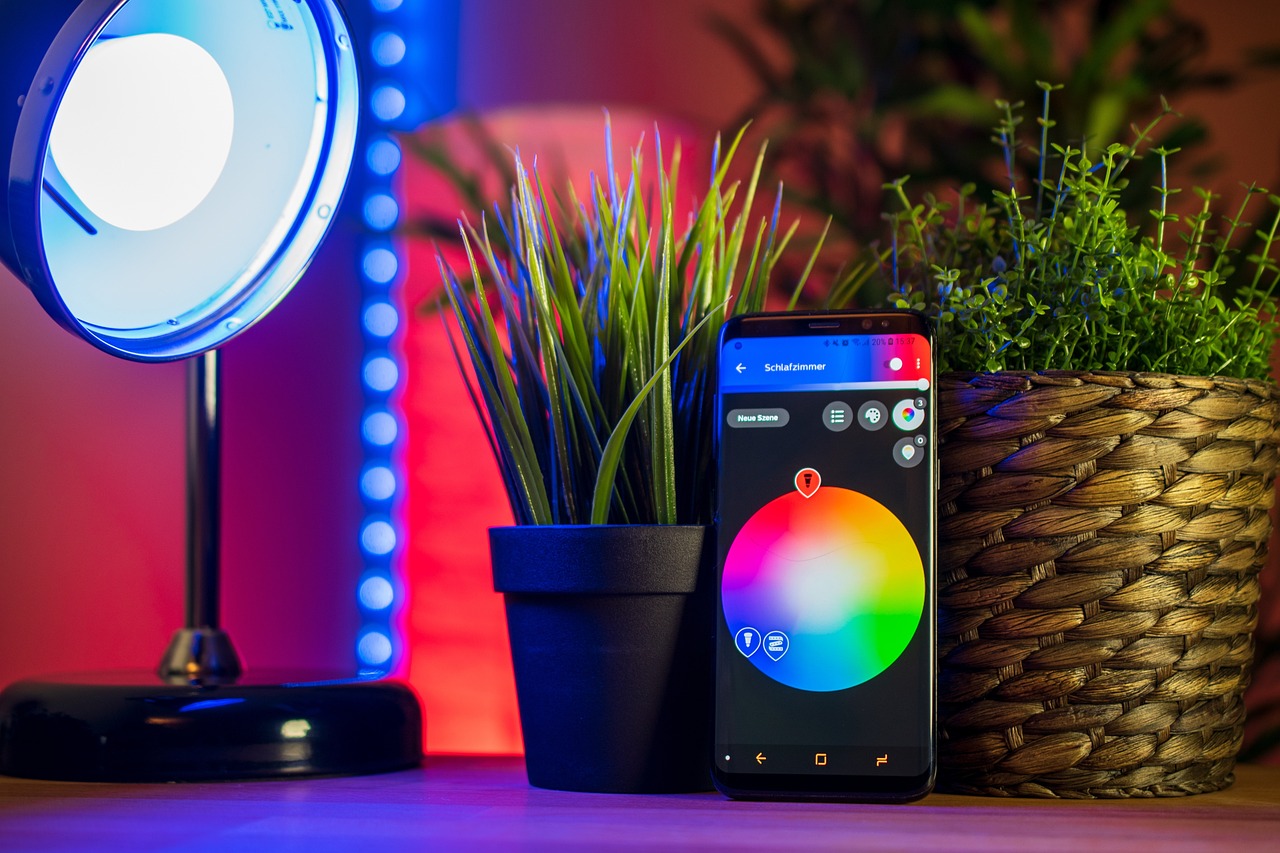
Sound therapy applications deliver scientifically designed audio experiences—binaural beats, isochronic tones, and frequency-based soundscapes—that facilitate specific mental states from deep relaxation to enhanced focus. Light therapy devices that simulate sunrise or sunset support circadian rhythm regulation and mood enhancement.
The key principle is intentionality. Technology in mental wellness rooms should serve specific therapeutic purposes rather than enabling the constant connectivity these spaces are designed to escape. Many successful implementations include device charging stations outside the wellness room, encouraging users to physically separate from phones during their restoration time.
Designing Your Personal Mental Wellness Practice 🌟
A mental wellness room reaches its full transformative potential when paired with consistent, intentional practice. The space itself provides essential support, but regular engagement amplifies benefits exponentially.
Establishing Regular Rituals
Consistency creates neural pathways that make entering restorative states progressively easier. Establishing regular times for using your mental wellness room—morning meditation, midday reset, or evening decompression—trains your mind and body to transition more readily into relaxation.
Rituals might include lighting a candle upon entering, performing a specific breathing pattern, or engaging in gratitude journaling. These consistent cues signal to your nervous system that it’s time to shift from activation to restoration.
Varied Practices for Comprehensive Wellness
Mental wellness rooms support diverse practices, each offering unique benefits:
- Meditation: Cultivates present-moment awareness and reduces rumination
- Breathwork: Directly regulates nervous system activation and emotional states
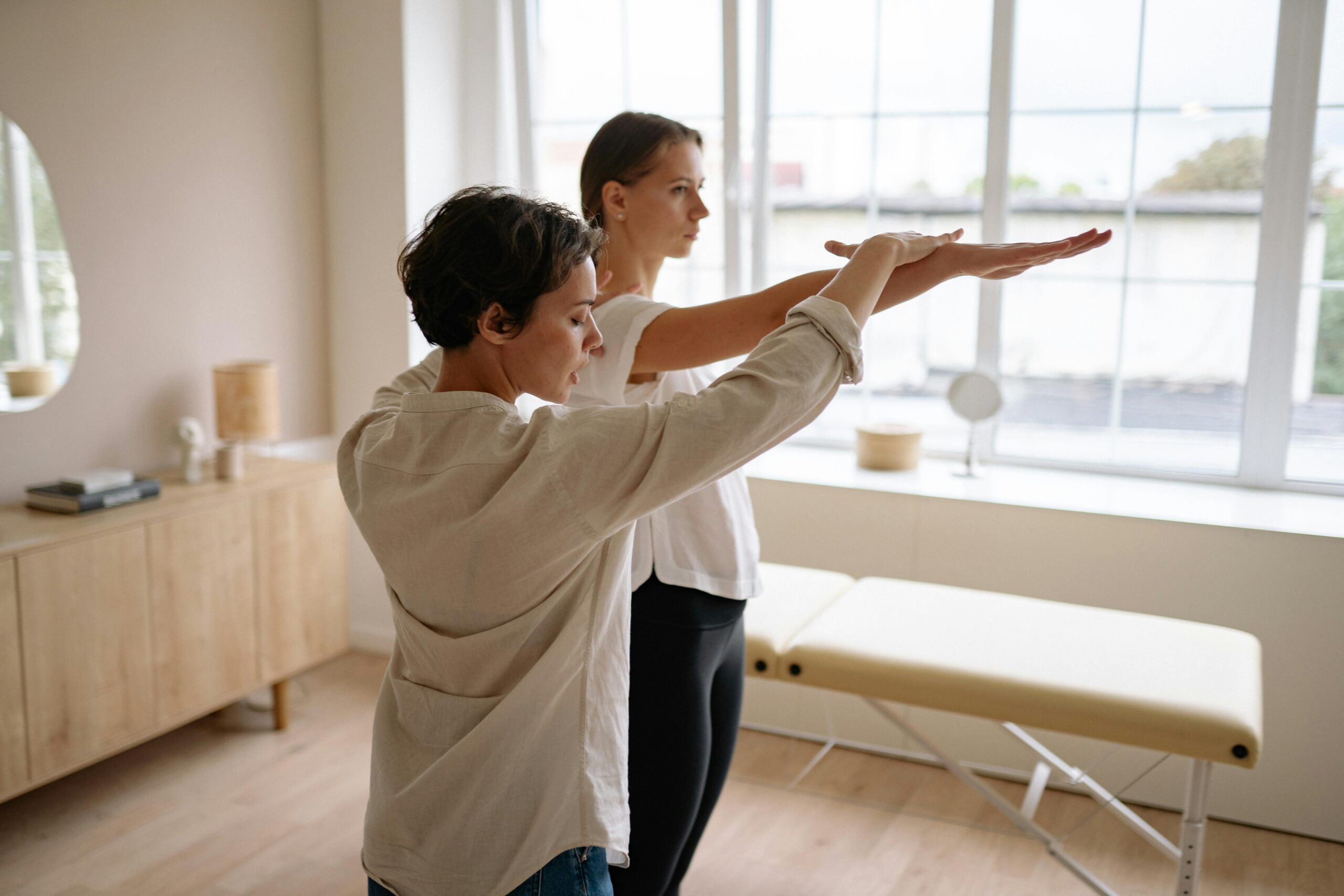
- Gentle movement: Yoga, stretching, or tai chi releases physical tension and integrates mind-body connection
- Journaling: Processes emotions, clarifies thoughts, and tracks personal growth
- Visualization: Rehearses positive outcomes and strengthens psychological resources
- Sound healing: Uses vibrational frequencies to induce deep relaxation states
- Aromatherapy: Leverages scent’s powerful connection to limbic system and emotional regulation
Rotating between practices prevents monotony while addressing different dimensions of mental wellness. Some sessions might focus on energetic practices like breathwork, while others emphasize passive restoration through guided relaxation.
Measuring the Impact on Your Mental Health Journey 💚
Tracking how mental wellness room usage affects your psychological state provides motivation and helps optimize your practice. Various assessment methods reveal changes that might otherwise go unnoticed amid daily life.
Simple mood tracking before and after each session reveals immediate effects. Over time, patterns emerge showing which practices provide greatest benefit for specific emotional states. Many people discover that practices they initially found challenging become most valuable with consistency.
Broader life indicators also reflect mental wellness room impact: improved sleep quality, enhanced relationship satisfaction, increased work productivity, greater emotional resilience during challenges, and reduced reliance on unhealthy coping mechanisms all suggest effective mental health support.
Physiological measurements—resting heart rate, heart rate variability, blood pressure—provide objective data about nervous system regulation improvements. These metrics often show remarkable changes even before subjective experiences fully register.
Overcoming Common Barriers to Consistent Use 🚧
Despite best intentions, maintaining regular mental wellness practices challenges many people. Understanding common obstacles and developing strategies to address them increases long-term success.
Time scarcity represents the most frequently cited barrier. Reframing mental wellness as essential rather than optional shifts perspective. Starting with brief five-minute sessions builds habit infrastructure without overwhelming schedules. As benefits become apparent, extending duration feels natural rather than burdensome.
Guilt about self-care particularly affects caregivers and high-achievers who struggle prioritizing personal needs. Recognizing that mental restoration enhances capacity to serve others transforms self-care from selfish indulgence to responsible maintenance of personal resources.
Initial discomfort with stillness deters people accustomed to constant activity. Beginning with active practices—gentle movement, breathwork, or guided meditations—eases the transition. Tolerance for stillness develops gradually as nervous system regulation improves.
Creating Community Around Mental Wellness Spaces 👥
While mental wellness rooms primarily serve individual restoration, they can also foster community connection around shared commitment to psychological health.
Organizational wellness rooms might host group meditation sessions, mindfulness workshops, or peer support circles that reduce isolation and normalize mental health conversations. Shared wellness experiences build workplace culture that values holistic employee wellbeing.
Home wellness spaces can occasionally accommodate trusted friends or family members for partnered practices. Teaching children to use designated calm spaces instills lifelong self-regulation skills and normalizes proactive mental health care.
Virtual communities centered around mental wellness practices provide accountability, inspiration, and collective wisdom. Sharing experiences, challenges, and insights enriches individual practices while combating the isolation that often accompanies mental health struggles.
The Future of Mental Wellness Spaces and Accessibility 🌈
As mental health awareness continues growing, mental wellness rooms are becoming increasingly common and sophisticated. Architectural standards for wellness-supportive design are emerging, integrating these principles into new construction rather than requiring afterthought retrofitting.
Technological advances promise enhanced accessibility. Virtual reality offers immersive nature experiences and guided practices for people without physical access to ideal environments. Artificial intelligence increasingly personalizes wellness recommendations based on individual response patterns and preferences.
Most importantly, the democratization of mental wellness knowledge empowers individuals to create transformative spaces regardless of budget or square footage. The essential elements—intention, consistency, and environmental mindfulness—require minimal resources while delivering profound benefits.
Mental wellness rooms represent recognition that psychological health deserves the same intentional support we provide physical health. These spaces acknowledge that mental restoration isn’t luxury but necessity in our demanding modern world. By creating environments specifically designed to support our minds and souls, we take concrete action toward sustainable wellbeing that serves us throughout life’s inevitable challenges and transitions.
The transformative power of mental wellness rooms lies not in their physical attributes alone but in their representation of self-compassion, their invitation to pause amid chaos, and their promise that restoration is always accessible when we create space for it. Whether grand or modest, shared or private, these sanctuaries offer what we all fundamentally need: permission to simply be, without performance or productivity, reconnecting with the quiet wisdom that resides within when we finally create space to listen.