Your home is more than just walls and furniture—it’s a living reflection of your inner world. The spaces we inhabit have a profound impact on our emotional well-being, influencing our mood, energy, and overall mental health in ways we often overlook.

In recent years, the connection between interior design and emotional healing has gained significant attention from psychologists, designers, and wellness experts alike. This emerging field recognizes that our physical environments don’t just house our bodies; they nurture our souls, support our healing journeys, and can actively contribute to our emotional recovery and growth.
The Psychology Behind Space and Emotion 🧠
Environmental psychology has long established that our surroundings significantly influence our psychological state. When we walk into a cluttered, dark room, we might feel anxious or overwhelmed. Conversely, entering a bright, organized space can instantly lift our spirits and create a sense of calm.
This phenomenon occurs because our brains are constantly processing environmental cues, even when we’re not consciously aware of them. Colors, textures, lighting, spatial arrangements, and even the objects we choose to display all send subtle messages to our subconscious mind, triggering emotional responses and affecting our stress levels.
Research published in various environmental psychology journals demonstrates that people who live in thoughtfully designed spaces report lower levels of cortisol (the stress hormone), better sleep quality, and improved overall life satisfaction. These findings aren’t coincidental—they reveal the powerful relationship between our external environments and internal emotional landscapes.
Color Therapy: Painting Your Way to Emotional Balance 🎨
Color is perhaps the most powerful tool in emotional interior design. Different hues trigger specific psychological and physiological responses, making color selection a critical component of healing-oriented design.
Understanding Color’s Emotional Impact
Blue tones, for instance, are scientifically proven to lower blood pressure and heart rate, creating feelings of tranquility and trust. This makes blue an excellent choice for bedrooms or meditation spaces where relaxation is the primary goal.
Green connects us to nature and promotes balance and renewal. It’s particularly effective in home offices or creative spaces, as it reduces eye strain and fosters concentration without being overstimulating.
Warm colors like soft yellows and peachy oranges can combat feelings of isolation and depression by creating a sense of warmth and welcome. However, bright reds and intense oranges should be used sparingly, as they can increase anxiety in sensitive individuals.
Neutral tones—whites, beiges, and grays—provide a calming backdrop that allows the mind to rest. These colors are particularly beneficial for those recovering from trauma or dealing with sensory overload, as they minimize visual stimulation while maintaining a sense of spaciousness.
Lighting: Illuminating Your Emotional Wellbeing 💡
Light profoundly affects our circadian rhythms, mood, and energy levels. Natural light exposure during daytime hours helps regulate melatonin production, improving sleep quality and reducing symptoms of seasonal affective disorder and depression.
When designing for emotional healing, prioritize natural light wherever possible. Position workspaces near windows, use sheer curtains that allow light to filter through, and consider adding mirrors strategically to reflect and amplify available natural light throughout your space.
Layering Artificial Light for Emotional Support
For times when natural light isn’t available, thoughtful artificial lighting becomes essential. Create layers of light at different levels—ambient lighting for overall illumination, task lighting for specific activities, and accent lighting to highlight meaningful objects or architectural features.
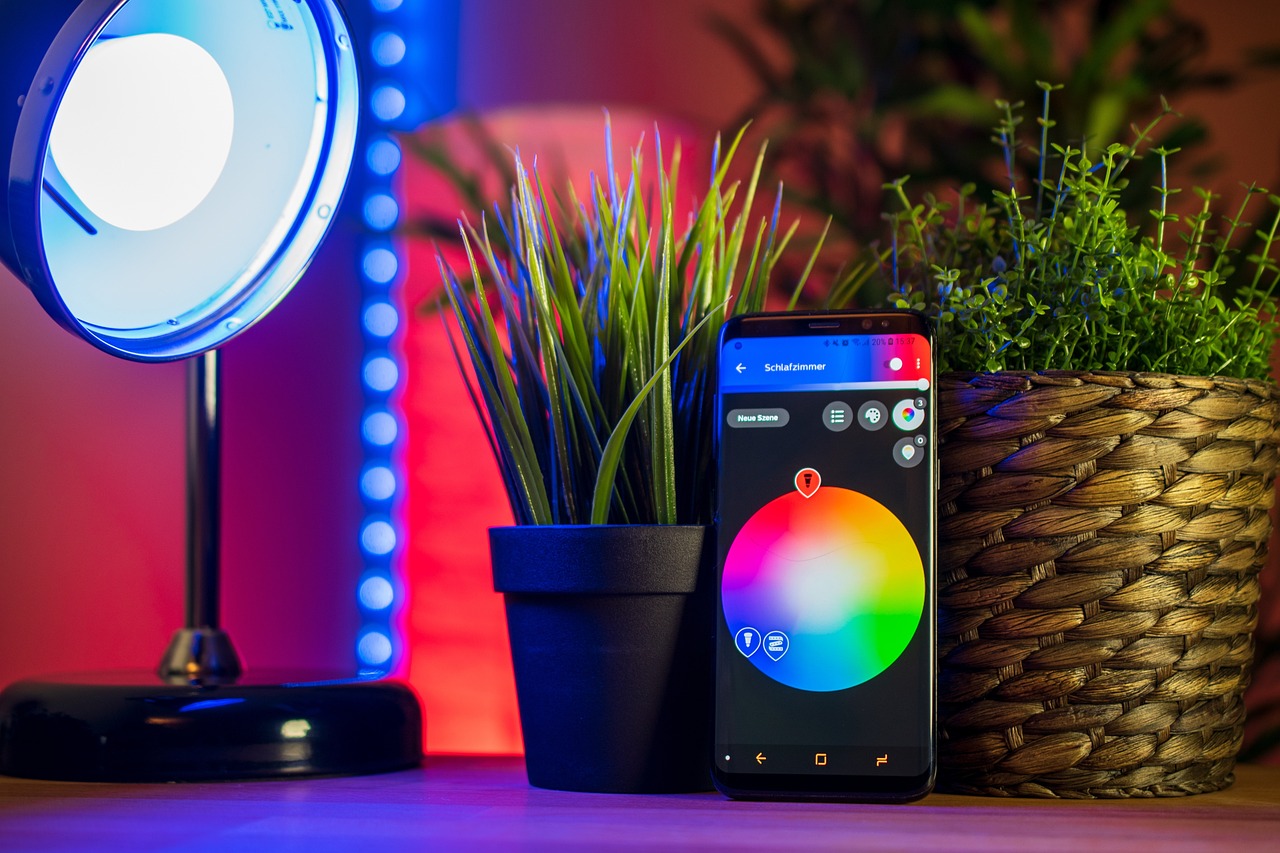
Warm-toned bulbs (2700K-3000K) create a cozy, relaxing atmosphere perfect for evening wind-down routines. Cooler daylight bulbs (5000K-6500K) can boost alertness and productivity during daytime hours. Dimmable fixtures offer flexibility to adjust lighting according to your emotional needs throughout the day.
Decluttering as Emotional Release 🌿
Physical clutter creates mental clutter. When our spaces are overrun with unnecessary items, our cognitive load increases, making it harder to focus, relax, and process emotions effectively.
The practice of decluttering isn’t just about creating visual order—it’s an emotional release that can feel profoundly therapeutic. As you sort through belongings, you’re forced to make decisions, confront memories, and let go of things that no longer serve you. This process mirrors the internal work of emotional healing, where we must also release old patterns, beliefs, and traumas that weigh us down.
The Mindful Approach to Decluttering
Rather than approaching decluttering as a chore, view it as a healing ritual. Take time with each item, asking yourself: Does this object bring me joy? Does it support the person I’m becoming? Does it contribute positively to my emotional wellbeing?
Keep only items that hold genuine meaning or utility. Everything else represents energy—energy to clean, organize, and mentally process. By releasing these items, you free up both physical and emotional space for new experiences and growth.
Creating Sanctuary Spaces Within Your Home 🕊️
Every healing-oriented home should include at least one designated sanctuary space—an area specifically designed for rest, reflection, and emotional processing. This doesn’t require an entire room; even a corner can become a powerful healing sanctuary when thoughtfully arranged.
Your sanctuary might include a comfortable chair or floor cushions, soft textiles, calming artwork, plants, candles, or objects with personal spiritual significance. The key is intentionality: this space exists solely for your emotional wellbeing, not for productivity or entertainment.
Elements of an Effective Healing Space
Consider incorporating these elements into your sanctuary:
- Comfortable seating that supports your body without strain
- Natural elements like plants, stones, or water features
- Soft, layered lighting that can be adjusted to your mood
- Textiles in soothing textures—velvet, linen, or soft cotton
- Personal meaningful objects that tell your story or represent your aspirations
- Sound elements like wind chimes, singing bowls, or a small speaker for meditation music
- Aromatherapy through candles, essential oil diffusers, or natural incense
The Healing Power of Nature Indoors 🌱
Biophilic design—the practice of incorporating natural elements into built environments—has emerged as a cornerstone of healing-oriented interior design. Our biological need for connection with nature doesn’t disappear when we step indoors, and satisfying this need has measurable emotional benefits.
Houseplants do more than beautify spaces; they purify air, reduce stress, and create a nurturing responsibility that can be therapeutic in itself. Studies show that caring for living things provides a sense of purpose and accomplishment while connecting us to natural growth cycles that mirror our own healing journeys.
Beyond Plants: Natural Materials and Patterns
Biophilic design extends beyond living plants. Incorporate natural materials like wood, stone, bamboo, and natural fibers throughout your space. These materials carry an inherent warmth and authenticity that synthetic alternatives cannot replicate.
Nature-inspired patterns—fractals, organic curves, and imagery of landscapes or animals—also provide psychological benefits. Our brains are wired to find these patterns calming and familiar, reducing stress and promoting mental restoration.
Texture and Touch: The Tactile Dimension of Healing ✨
We often overlook the importance of texture in interior design, focusing primarily on visual elements. However, tactile experiences significantly impact our emotional state and sense of comfort.
Soft, varied textures create sensory richness that feels nurturing and engaging. Layer different materials—a chunky knit throw over smooth leather, rough-hewn wood beside polished metal, plush rugs on hard floors. This textural diversity provides sensory interest while offering options to match different emotional needs.
When feeling anxious or overwhelmed, wrapping yourself in soft textures can provide a sense of safety and containment. When feeling disconnected or numb, engaging with varied textures can help ground you in the present moment through sensory awareness.
Personal Narrative: Displaying Your Journey 📖
A truly healing space tells your story—not the story you think others want to see, but your authentic journey with all its complexity. The objects you choose to display should reflect your values, celebrate your growth, and honor your experiences.
Create a gallery of meaningful photographs, not just perfectly posed portraits but images that capture genuine moments of connection, joy, or transformation. Display artwork that moves you emotionally, whether created by famous artists or your own hand. Showcase objects collected from meaningful travels or given by beloved people.
This personal narrative embedded in your space serves as a constant reminder of your resilience, your capacity for joy, and the relationships that sustain you. When struggling emotionally, these visual reminders provide evidence of your strength and reasons for hope.
Flexible Spaces for Evolving Needs 🔄
Emotional healing isn’t linear, and our spaces should accommodate the natural fluctuations in our emotional states and needs. Design with flexibility in mind, creating spaces that can adapt to support you whether you’re feeling social and energized or need solitude and quiet.
Furniture on casters can be easily rearranged. Multipurpose rooms can shift from yoga studio to home office to entertainment space depending on your needs. Lighting with multiple settings allows the same space to feel energizing during the day and calming at night.
Respecting the Need for Both Connection and Solitude
Healing requires balance between engagement with others and time for personal reflection. If you live with others, establish boundaries around personal spaces while also creating communal areas that invite connection and shared experiences.
Even in small spaces, you can create zones with different purposes. Use furniture arrangements, rugs, or lighting to delineate areas for different activities and emotional needs, helping you mentally shift between modes throughout the day.
Sound Design: The Acoustic Environment 🎵
We rarely consider sound when discussing interior design, yet acoustic environments profoundly affect our stress levels and emotional wellbeing. Constant noise—from traffic, appliances, or thin walls—keeps our nervous systems in a state of low-level alert, preventing true relaxation.
Address unwanted noise through soft furnishings that absorb sound: curtains, rugs, upholstered furniture, and wall hangings all reduce echo and external noise. Consider a white noise machine or small water fountain to mask disruptive sounds with more soothing alternatives.
Intentionally incorporate positive sounds: wind chimes near an open window, the gentle hum of a fish tank, or a carefully curated playlist that supports your emotional state. Sound becomes part of your healing environment when chosen with the same care as visual elements.
The Bedroom: Sacred Space for Rest and Renewal 😴
Of all rooms in your home, the bedroom deserves special attention when designing for emotional healing. Quality sleep is fundamental to emotional regulation, stress management, and mental health, yet many bedrooms are designed without consideration for their role in supporting restorative rest.
Keep your bedroom cool, dark, and dedicated primarily to sleep and intimacy. Remove electronics, work materials, and exercise equipment. Use blackout curtains or eye masks to ensure complete darkness. Invest in comfortable, natural-fiber bedding that feels luxurious against your skin.
Choose calming colors—soft blues, greens, lavenders, or neutral earth tones. Minimize visual clutter and stimulation. This room should feel like a cocoon, a space completely separate from the demands and stresses of daily life.
Bringing It All Together: Your Personalized Healing Haven 🏡
Transforming your space to support emotional healing doesn’t require a complete renovation or substantial budget. It begins with intention and awareness, understanding that every choice you make about your environment either supports or hinders your emotional wellbeing.
Start small: choose one area or one element to address. Perhaps you begin by decluttering your bedroom, adding plants to your living room, or creating a small meditation corner. As you experience the emotional impact of these changes, you’ll naturally want to extend healing design principles throughout your entire home.
Pay attention to how different spaces make you feel. Notice which rooms you naturally gravitate toward and which you avoid. These patterns offer important information about what’s working and what needs adjustment in your environment.
Maintaining Your Healing Space: An Ongoing Practice 🌟
Creating a healing environment isn’t a one-time project but an ongoing practice of care and attention. As you grow and change, your space should evolve with you. Regularly reassess whether your environment still serves your current emotional needs and life circumstances.
Establish routines that maintain the healing qualities of your space: daily tidying, weekly deeper cleaning, monthly reassessment of which objects still serve you, and seasonal refreshing of colors, scents, or arrangements. These practices extend the healing work into regular rhythms of self-care.
Remember that perfection isn’t the goal. Your space should feel alive, used, and comfortable—not like a museum or magazine spread. The small imperfections, the lived-in quality, the evidence of your daily life all contribute to authenticity, which is essential for genuine healing.
As you transform your space with intention and care, you’ll likely discover something profound: changing your external environment catalyzes internal transformation. The order you create outside mirrors and supports the emotional organization happening within. The beauty you cultivate in your surroundings reflects and nurtures the beauty of your healing soul.
Your home becomes not just a shelter but a partner in your healing journey—a physical manifestation of your commitment to your own wellbeing and growth. In this sacred space, transformation becomes not just possible but inevitable, as your soul finds the support and nurturing it needs to flourish.