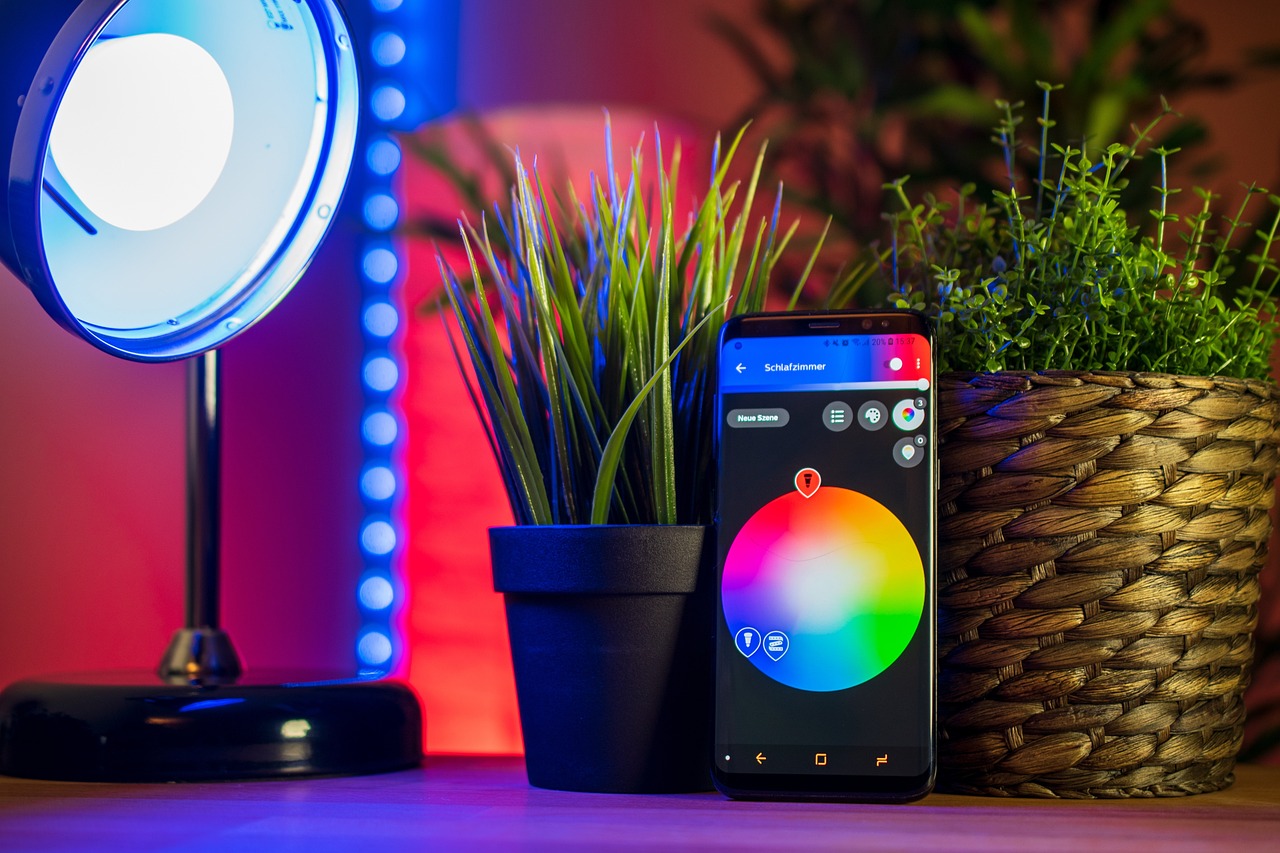
The spaces we inhabit hold remarkable power over our emotions, behaviors, and overall well-being. From the moment we step into a room, our subconscious begins processing countless environmental cues that shape how we feel and interact with our surroundings.

Understanding spatial emotional impact is no longer just the domain of architects and interior designers—it’s becoming essential knowledge for anyone seeking to create environments that nurture positive experiences. Whether it’s a home, office, retail space, or public venue, the strategic manipulation of spatial elements can fundamentally transform how people feel, think, and behave within those environments.
🏛️ The Science Behind Spatial Emotional Response
Our brains are hardwired to respond to spatial characteristics in profound ways. Neuroscientific research reveals that environmental stimuli activate specific regions of the brain associated with emotion, memory, and decision-making. The limbic system, particularly the amygdala and hippocampus, processes spatial information and attaches emotional significance to our surroundings.
Studies in environmental psychology demonstrate that factors like ceiling height, color temperature, lighting intensity, and spatial layout trigger measurable physiological responses. High ceilings, for instance, have been shown to promote abstract thinking and creativity, while lower ceilings encourage detailed, focused work. These aren’t merely subjective preferences—they’re biological responses that occur across cultures and demographics.
The concept of “embodied cognition” further explains how our physical environment influences mental states. When we inhabit spaces with particular characteristics, our bodies respond with corresponding emotional and cognitive patterns. A cramped, cluttered room may increase cortisol levels and induce stress, while an open, well-organized space can promote calmness and mental clarity.
🎨 Color Psychology and Emotional Resonance
Color represents one of the most powerful tools for spatial emotional transformation. Different wavelengths of light trigger distinct neurological and psychological responses, making color selection a critical consideration in space design.
Warm colors like red, orange, and yellow tend to energize and stimulate. Red increases heart rate and can evoke feelings of passion, urgency, or excitement—which explains why it’s frequently used in restaurants to stimulate appetite and in retail environments to encourage impulse purchases. However, overuse of intense warm colors can lead to agitation and fatigue.
Cool colors such as blue, green, and purple generally promote relaxation and concentration. Blue has been shown to lower blood pressure and reduce anxiety, making it ideal for bedrooms, healthcare facilities, and meditation spaces. Green connects us to nature and has restorative qualities that reduce mental fatigue, which is why it’s commonly used in educational and workplace environments.
Neutral colors provide versatility and serve as excellent foundations for layering other design elements. They create psychological breathing room and allow other spatial features to take prominence without overwhelming the senses.
Strategic Color Application for Different Environments
The key to effective color psychology lies in matching color schemes to intended emotional outcomes. Healthcare facilities increasingly use soft greens and blues to reduce patient anxiety. Educational institutions incorporate colors that enhance focus while preventing overstimulation. Retail environments strategically deploy colors that align with brand identity while encouraging specific purchasing behaviors.
💡 Lighting: The Mood Architect
Lighting may be the single most influential element in determining spatial emotional impact. It affects not only what we see but how we feel, our circadian rhythms, and even our cognitive performance.
Natural light remains the gold standard for positive emotional impact. Exposure to daylight regulates melatonin production, improves mood, enhances vitamin D synthesis, and has been linked to increased productivity and reduced depression. Spaces designed to maximize natural light—through strategic window placement, skylights, and reflective surfaces—consistently demonstrate superior emotional outcomes.
When natural light is insufficient, artificial lighting must be carefully calibrated. The color temperature of light, measured in Kelvin, dramatically influences atmosphere. Warm light (2700-3000K) creates intimate, relaxing environments suitable for residential spaces and hospitality venues. Cool light (4000-5000K) promotes alertness and is preferable for workspaces and areas requiring concentration.
Layered lighting approaches combine ambient, task, and accent lighting to create flexible environments that can adapt to different activities and emotional needs. Dimmable systems allow users to customize light levels based on time of day, activity, and personal preference, placing emotional control in the hands of occupants.
🏗️ Spatial Configuration and Psychological Impact
The physical arrangement of space profoundly affects how we feel within it. Open floor plans create feelings of spaciousness, transparency, and community but can sometimes lead to sensory overload and lack of privacy. Enclosed spaces provide security and focus but may feel confining if not properly proportioned.
The principle of “prospect and refuge,” identified by geographer Jay Appleton, explains our evolutionary preference for spaces that offer both expansive views (prospect) and protected areas (refuge). Successful spatial designs incorporate elements of both—providing vantage points to observe surroundings while offering safe, intimate zones for retreat.
Circulation patterns also influence emotional experience. Clear, intuitive pathways reduce anxiety and cognitive load, while confusing layouts create stress and disorientation. The journey through a space should feel natural and intentional, with visual cues guiding movement and creating narrative sequences that enhance engagement.
Proportions and the Human Scale
Spaces designed with human proportions in mind feel more comfortable and emotionally appropriate. Ceilings too low create oppression; ceilings excessively high can feel intimidating or cold. The relationship between room dimensions—length, width, and height—creates spatial harmony or discord that we perceive at a subconscious level.
🌿 Biophilic Design: Reconnecting with Nature
Biophilic design leverages humanity’s innate connection to nature to enhance spatial emotional impact. Incorporating natural elements into built environments addresses our evolutionary need for contact with living systems and natural processes.
Research consistently demonstrates that exposure to nature—even representations of nature—reduces stress, improves cognitive function, accelerates healing, and enhances overall well-being. These benefits can be integrated into spaces through various strategies:
- Direct nature contact: Living plants, water features, animals, and natural ventilation
- Indirect nature experience: Natural materials like wood and stone, nature imagery, natural colors and patterns
- Space and place conditions: Visual connections to nature, organized complexity that mimics natural environments, refuge and prospect opportunities
Even small interventions can yield significant emotional benefits. A single potted plant in an office can reduce stress and increase productivity. Views of greenery from windows correlate with faster hospital recovery times. Natural materials and textures create warmth and tactile satisfaction that artificial materials cannot replicate.
🎵 Acoustic Design and Emotional Wellbeing
Sound profoundly influences our emotional state, yet acoustic design often receives less attention than visual elements. Noise pollution creates measurable stress responses, while pleasant soundscapes enhance mood and cognitive performance.
Hard surfaces reflect sound, creating reverberant spaces that can feel lively and energetic but may become overwhelming with increased activity. Soft materials absorb sound, creating quiet environments conducive to concentration and relaxation but potentially feeling dull or lifeless.
Strategic acoustic design balances absorption and reflection based on intended use. Open offices benefit from sound-absorbing panels and white noise systems that mask distracting conversations without creating silence. Restaurants use acoustic treatments to maintain energetic ambiance while preventing cacophony. Residential spaces incorporate quiet zones for rest alongside more acoustically lively social areas.
Natural sounds—flowing water, rustling leaves, birdsong—provide psychological restoration and mask disruptive noises. Many successful spaces incorporate these elements through water features, outdoor access, or even high-quality audio systems that introduce natural soundscapes.
🏡 Transforming Residential Spaces for Emotional Wellness
Our homes represent our most intimate environments, making residential spatial emotional impact particularly significant. The COVID-19 pandemic heightened awareness of how home environments affect mental health, productivity, and relationship quality.
Creating emotionally supportive residential spaces begins with understanding the diverse activities and moods homes must accommodate. Successful residential design includes dedicated zones for different functions and emotional states—energizing spaces for morning routines and work, calm areas for relaxation and sleep, social zones for connection and celebration.
Personalization plays a crucial role in residential emotional impact. Spaces that reflect occupants’ identities, values, and memories create stronger emotional connections and feelings of belonging. Displaying meaningful objects, incorporating favorite colors, and designing around cherished activities transforms generic spaces into deeply personal sanctuaries.
Small Space Strategies for Emotional Enhancement
Limited square footage doesn’t preclude positive emotional impact. Strategic furniture selection, multi-functional spaces, vertical storage solutions, and thoughtful color choices can make compact spaces feel expansive and emotionally satisfying. Mirrors multiply visual space and light. Clear boundaries between functional zones provide psychological separation even within open plans.
🏢 Workplace Design and Productivity Through Emotional Optimization
Workplace environments that address emotional needs demonstrate measurable improvements in productivity, creativity, employee satisfaction, and retention. The shift toward activity-based working recognizes that different tasks require different spatial and emotional contexts.
Modern workplace design provides variety: focus rooms for concentration, collaboration spaces for teamwork, social areas for informal connection, and quiet zones for restoration. This diversity acknowledges that emotional and cognitive needs vary throughout the workday and across different individuals.
Autonomy over workspace configuration enhances emotional wellbeing. When employees can adjust lighting, temperature, privacy levels, and work locations, they experience greater satisfaction and reduced stress. Rigid, one-size-fits-all environments ignore individual differences and create emotional friction.
Elements like artwork, plants, comfortable furniture, and amenity spaces signal that organizations value employee wellbeing beyond mere productivity. These investments in spatial emotional quality yield returns through reduced absenteeism, improved morale, and enhanced creative output.
🛍️ Retail and Hospitality: Engineering Emotional Experiences
Commercial spaces leverage spatial emotional impact to influence consumer behavior and create memorable brand experiences. Every element—from entrance design to checkout configuration—is orchestrated to evoke specific feelings and guide decision-making.
Luxury retailers create spacious, gallery-like environments with dramatic lighting and minimal product density to evoke exclusivity and prestige. Discount retailers use bright lighting, dense product displays, and warm colors to create treasure-hunt excitement and urgency. These contrasting approaches both optimize spatial emotional impact for their target audiences and business objectives.
Hospitality design focuses on creating emotional journeys from arrival through departure. Hotel lobbies balance impressive scale with intimate seating areas, simultaneously conveying quality and comfort. Restaurant design manipulates lighting, acoustics, and table spacing to match culinary concepts—romantic settings require different emotional cues than family-friendly establishments.
🎯 Practical Implementation: Your Spatial Transformation Guide
Transforming spaces to enhance emotional impact doesn’t require complete renovations or unlimited budgets. Strategic interventions can yield significant improvements with modest investments.
Begin with assessment: How does your space currently make you and others feel? Which areas create positive emotions? Which generate stress, discomfort, or disengagement? Understanding existing emotional patterns provides direction for improvements.
Prioritize changes based on impact potential and feasibility. Lighting modifications often deliver dramatic emotional shifts with relatively simple implementation. Rearranging furniture costs nothing but can fundamentally alter spatial dynamics. Adding plants introduces biophilic benefits immediately.
Consider these actionable strategies for various spaces:
- Declutter systematically: Visual chaos creates mental chaos; organized spaces promote calm and clarity
- Introduce natural elements: Plants, natural light, wood accents, and stone textures ground spaces emotionally
- Layer lighting: Multiple light sources at different levels create flexibility and visual interest
- Define zones: Clear functional areas provide psychological structure even in open layouts
- Personalize thoughtfully: Meaningful objects and images create emotional resonance without clutter
- Address acoustics: Rugs, curtains, and soft furnishings reduce noise stress in hard-surfaced spaces
- Consider scale: Furniture proportionate to room size creates harmony; oversized pieces in small spaces increase stress
🔮 The Future of Spatial Emotional Design
Emerging technologies are expanding possibilities for spatial emotional impact. Smart environments with responsive lighting, temperature control, and acoustic systems adapt to occupant needs in real-time. Biometric sensors can detect stress levels and automatically adjust environmental conditions to promote wellbeing.
Virtual and augmented reality technologies allow designers and clients to experience spaces emotionally before physical construction, refining emotional impact during the planning phase. These tools democratize sophisticated design, making expert spatial emotional optimization accessible beyond luxury projects.
Growing research in neuroscience and environmental psychology continues revealing how spatial characteristics influence human experience. This expanding knowledge base enables increasingly sophisticated and effective interventions that enhance emotional wellbeing through thoughtful design.

🌟 Embracing Your Spatial Emotional Power
The spaces we create and inhabit are never emotionally neutral. Every design decision—conscious or unconscious—shapes how people feel, think, and behave within those environments. This represents both responsibility and opportunity.
By understanding the principles of spatial emotional impact, you gain power to transform environments in ways that nurture wellbeing, enhance productivity, strengthen relationships, and enrich daily experiences. Whether designing new spaces or modifying existing ones, attention to emotional dimensions elevates functional requirements into truly supportive environments.
The most successful spaces don’t simply accommodate activities—they actively enhance the human experience through thoughtful manipulation of color, light, configuration, materials, acoustics, and biophilic elements. This holistic approach recognizes that we are not separate from our environments but in constant dialogue with them.
As we spend the majority of our lives indoors, the quality of those indoor environments directly determines quality of life. Investing attention and resources in spatial emotional impact isn’t luxury or frivolity—it’s essential self-care and a fundamental component of human flourishing. Your spaces shape your feelings; choose to shape them wisely.