In a world filled with constant distractions and overwhelming stimuli, our physical spaces often reflect the chaos we feel internally. Mindful spatial planning offers a transformative approach to designing environments that nurture well-being, boost productivity, and create genuine harmony in our daily lives.

The spaces we inhabit profoundly influence our mood, energy levels, and overall quality of life. Whether it’s your home office, bedroom, living area, or workplace, every corner holds potential to either drain or energize you. By mastering the art of mindful spatial planning, you can intentionally craft environments that serve your highest purpose and bring consistent peace to your everyday experience.
🌿 Understanding Mindful Spatial Planning: More Than Just Interior Design
Mindful spatial planning transcends traditional interior design by integrating psychological awareness, intentional purpose, and holistic well-being into every decision. It’s not merely about aesthetics—though beauty certainly plays a role—but about creating spaces that actively support your mental, emotional, and physical health.
This practice draws from ancient wisdom traditions like Feng Shui, Japanese minimalism, and Scandinavian hygge, while incorporating modern neuroscience and environmental psychology. The result is a comprehensive approach that considers how light, color, texture, arrangement, and purpose interact to shape our experiences within a space.
Unlike conventional design that might prioritize trends or visual appeal alone, mindful spatial planning asks fundamental questions: How does this space make me feel? Does this arrangement support my daily activities? Is there intentional flow and energy throughout the room? These inquiries guide every choice, from furniture placement to lighting selections.
The Psychology Behind Space and Well-Being
Scientific research consistently demonstrates the powerful connection between our environments and psychological states. Cluttered spaces correlate with increased cortisol levels and heightened stress, while organized, purposeful environments promote clarity, focus, and emotional regulation.
Our brains are constantly processing environmental information, even when we’re not consciously aware of it. Visual clutter competes for neural resources, creating subtle but persistent mental fatigue. Conversely, spaces designed with clear zones, adequate breathing room, and intentional focal points allow our minds to rest and recharge.
Natural elements particularly influence our well-being—a concept known as biophilic design. Exposure to natural light regulates circadian rhythms, improving sleep quality and mood. Plants purify air while providing visual connection to nature, reducing anxiety and enhancing cognitive performance. Even natural materials like wood and stone create subconscious comfort and grounding.
Creating Psychological Safety Through Spatial Design
Spaces that feel psychologically safe share common characteristics: adequate personal space, controllable privacy levels, soft textiles that invite touch, and layouts that don’t create awkward social dynamics. Your environment should feel like a sanctuary where you can authentically be yourself without constant vigilance or discomfort.
Consider prospect and refuge theory from evolutionary psychology—humans instinctively prefer spaces where we can observe our surroundings while feeling protected. This explains why corner seats at restaurants are coveted and why we naturally arrange furniture with backs against walls. Incorporating these principles creates subconscious comfort and security.
✨ The Five Pillars of Mindful Spatial Planning
Effective mindful spatial planning rests on five foundational pillars that work synergistically to create harmonious, purposeful environments. Understanding and implementing these principles transforms any space from merely functional to truly transformative.
1. Intentional Purpose Definition
Every space should have a clearly defined purpose that guides all design decisions. A room trying to serve too many functions often serves none well. Your bedroom should primarily support rest and intimacy, not double as a home office or entertainment center. Your workspace should facilitate focus and productivity, not become a storage area.
Begin by honestly assessing how you currently use each space and how you ideally want to use it. Write down the primary function and any secondary purposes. This clarity becomes your north star, helping you eliminate elements that don’t serve these intentions and incorporate those that do.
2. Conscious Flow and Movement
Energy and movement patterns within a space dramatically affect how it feels and functions. Furniture arrangements should create natural pathways that feel intuitive, never forcing awkward navigation or creating bottlenecks. The concept of flow applies both to physical movement and visual progression—your eye should travel smoothly through the space without jarring interruptions.
Pay attention to how you naturally move through your spaces throughout the day. Do certain arrangements cause repeated frustration? Are there areas you consistently avoid? These patterns reveal opportunities for improvement. Optimal flow feels effortless, with everything positioned exactly where it’s needed when it’s needed.
3. Sensory Harmony and Balance
Mindful spaces engage all five senses in balanced, intentional ways. Visual elements should create interest without overwhelming. Acoustic qualities matter—consider how sound travels and whether spaces need softening with textiles or energizing with reflective surfaces. Tactile experiences, from rug textures to furniture fabrics, influence comfort and mood.
Don’t neglect scent and air quality, which powerfully affect emotion and cognition. Fresh air circulation, natural scents from plants or essential oils, and elimination of chemical odors create inviting, healthy environments. Temperature regulation also impacts how welcome a space feels—nobody can relax or focus when uncomfortably hot or cold.
4. Mindful Color and Light Integration
Color psychology and lighting design are among the most powerful tools in spatial planning. Colors evoke specific emotional and physiological responses: blues and greens typically calm and center, while yellows and oranges energize and inspire. Choose palettes that support each space’s intended purpose and your personal resonance.
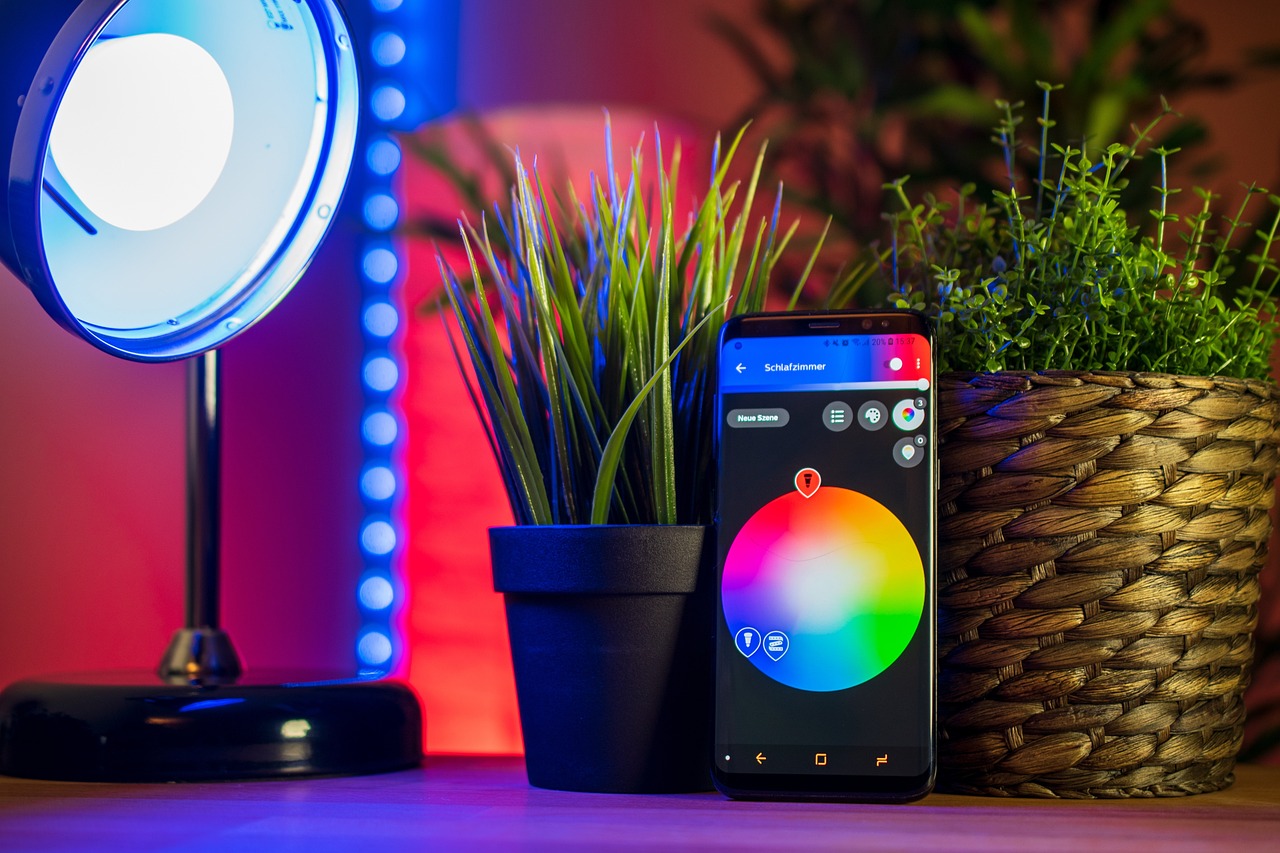
Lighting deserves particular attention, as it affects circadian rhythms, productivity, and mood. Layer different light sources—ambient, task, and accent lighting—to create flexibility throughout the day. Maximize natural light wherever possible, using mirrors strategically to amplify it. Adjustable lighting allows spaces to transform from energizing morning environments to relaxing evening sanctuaries.
5. Simplicity and Essentialism
The minimalist principle “less is more” holds profound wisdom for spatial planning. Every object in your space should either serve a clear function or bring genuine joy. Excess possessions create visual noise, maintenance burdens, and energetic stagnation. Simplicity isn’t about deprivation—it’s about intentional curation that allows what truly matters to shine.
Regular editing of belongings maintains spatial clarity and purpose. Question whether each item still serves you or has become invisible clutter. Empty space itself has value, providing visual rest, flexibility, and room for energy to circulate. Embrace negative space as an essential design element, not something requiring filling.
🏠 Room-by-Room Transformation Strategies
Applying mindful spatial planning principles varies by room based on each space’s unique purpose and challenges. Let’s explore specific strategies for common areas that can dramatically enhance daily life quality.
Bedroom: Your Restorative Sanctuary
Your bedroom should be a sacred retreat dedicated primarily to rest, intimacy, and personal renewal. Remove work materials, exercise equipment, and electronic devices that disrupt this intention. Position your bed with a solid wall behind for security, and ensure you have a clear view of the door without being directly in line with it.
Prioritize temperature control, blackout capabilities, and sound management for optimal sleep hygiene. Choose calming colors like soft blues, greens, or neutrals. Invest in quality bedding that feels luxurious and inviting. Incorporate subtle, romantic lighting with dimmer switches to signal your body’s natural sleep rhythms.
Kitchen: The Heart of Nourishment
Kitchens benefit from the work triangle principle—positioning stove, sink, and refrigerator for efficient movement. Beyond functionality, create spaces that inspire healthy eating and joyful cooking. Display fresh produce visibly to encourage nutritious choices. Organize tools and ingredients so meal preparation feels effortless rather than overwhelming.
If space allows, incorporate a small gathering area where people naturally congregate during cooking. Good lighting is essential—bright task lighting for food preparation combined with warmer ambient lighting for dining. Keep counters clear to maintain a sense of spaciousness and cleanliness that invites creativity.
Home Office: Productivity with Peace
Workspace design directly impacts focus, creativity, and professional effectiveness. Position your desk to face the room with a view of the entrance when possible, creating psychological confidence and reducing subconscious vigilance. Ergonomic furniture isn’t optional—proper seating and desk height prevent physical strain that undermines productivity.
Create distinct zones even within small offices: a focused work area, a creative thinking spot, and perhaps a reading corner. This variety prevents mental stagnation and supports different cognitive tasks. Minimize visual distractions in your direct sightline while incorporating inspirational elements in peripheral vision. Plants, natural light, and personal meaningful objects boost both performance and satisfaction.
Living Areas: Communal Connection Spaces
Living rooms and family areas should facilitate both gathering and individual comfort. Arrange seating to encourage conversation—facing furniture inward rather than all toward television screens. Create multiple conversation areas in larger spaces rather than one massive, impersonal arrangement.
Balance shared and personal elements. Include spaces where individuals can read or reflect while still being part of the group. Flexible lighting accommodates different activities and times of day. Storage solutions that conceal clutter maintain visual peace without requiring constant tidying. Personal touches like family photos, meaningful art, and collected treasures make spaces feel uniquely yours.
📱 Digital Tools Supporting Mindful Space Creation
While mindful spatial planning emphasizes physical environments, certain digital tools can support the planning and visualization process. Room planning apps allow you to experiment with layouts before moving heavy furniture, saving time and physical effort.
For those interested in comprehensive home design and spatial planning, apps like Planner 5D offer intuitive interfaces for creating detailed room layouts, experimenting with colors and materials, and visualizing changes before implementation. These tools bridge imagination and reality, helping clarify your vision.
Meditation and mindfulness apps also complement spatial planning by helping you develop the internal awareness that guides external choices. Regular mindfulness practice sharpens your ability to notice how environments affect you, making you more discerning about spatial decisions.
🌟 Overcoming Common Spatial Planning Challenges
Even with the best intentions, obstacles arise when transforming spaces. Recognizing common challenges and their solutions prevents discouragement and supports sustainable change.
Working Within Space Limitations
Small spaces require creativity but can achieve remarkable functionality and beauty. Vertical storage maximizes limited floor space. Multi-functional furniture—like ottomans with storage or Murphy beds—serves multiple purposes. Mirrors create the illusion of expanded space while reflecting light. Light color palettes and strategic lighting make compact areas feel open and airy.
The key is rigorous essentialism—small spaces simply cannot accommodate excess. Everything must earn its place through function or significant joy. This constraint often leads to more mindful, curated environments than larger spaces that allow accumulation without consequence.
Managing Shared Spaces and Different Preferences
When sharing spaces with family or roommates, conflicting preferences require negotiation and compromise. Start by identifying shared values and common ground. Clearly delineate personal versus shared spaces, allowing individuals sovereignty over their private areas while collaborating on common zones.
Use modular, adaptable arrangements that can serve different preferences at different times. Neutral base elements with personalized accents accommodate various tastes. Regular family meetings about spatial needs prevent resentment and ensure everyone’s voice shapes shared environments.
Maintaining Momentum Through Transition Periods
Spatial transformation rarely happens overnight. Breaking the process into manageable phases prevents overwhelm and allows gradual adjustment. Start with one room or even one corner, completing it fully before moving forward. This creates encouraging visible progress rather than multiple half-finished projects.
Document your journey with before and after photos. These visual records provide motivation during challenging moments and help you recognize how far you’ve progressed. Celebrate small victories—each drawer organized, each corner cleared represents meaningful movement toward your vision.
The Ongoing Practice of Spatial Mindfulness
Mindful spatial planning isn’t a one-time project but an ongoing practice requiring regular attention and adjustment. Seasons change, life circumstances evolve, and your needs shift over time. Spaces should adapt accordingly, remaining relevant and supportive rather than becoming static museums.
Schedule quarterly spatial reviews where you honestly assess whether each area still serves its purpose. Notice what’s working beautifully and what has become frustrating. Make small adjustments proactively before minor issues become major problems. This maintenance prevents the need for overwhelming overhauls.
Cultivate awareness of how spaces affect your daily experience. Notice your energy levels, mood shifts, and productivity patterns in different environments. This embodied knowledge guides continuous refinement, making you increasingly skilled at creating spaces that genuinely support your thriving.

💫 Bringing It All Together: Your Spatial Transformation Journey
Transforming your spaces into hubs of harmony and purpose begins with a single intentional choice. You don’t need expensive renovations or professional designers—though these can certainly help. You need clarity about what you want your spaces to support, willingness to release what no longer serves, and commitment to gradual, consistent improvement.
Start where you are with what you have. Look around your current environment with fresh, curious eyes. What immediately feels wrong? What brings genuine pleasure? These gut responses contain valuable information. Trust your instincts while educating yourself about principles that enhance natural wisdom.
Remember that perfect spaces don’t exist. Life is inherently messy, dynamic, and unpredictable. The goal isn’t sterile showroom perfection but functional beauty that accommodates real life while elevating daily experience. Spaces should serve you, not the reverse.
Your environment shapes who you become. Invest time and energy in crafting spaces that reflect your values, support your goals, and nourish your spirit. The returns—in productivity, peace, relationships, and overall well-being—far exceed the initial effort. Your future self will thank you for creating sanctuaries of harmony in an increasingly chaotic world.
Begin today with one small change. Clear one cluttered surface. Rearrange one room’s furniture for better flow. Add one plant or meaningful object. These seemingly minor adjustments create momentum, building confidence and clarifying vision. Before long, you’ll find yourself naturally seeing possibilities everywhere, continuously refining environments that authentically support the life you’re creating.