In today’s fast-paced world, our homes should be more than just places to sleep—they should be personal retreats where stress melts away and peace flourishes naturally.

Creating a stress-free sanctuary doesn’t require expensive renovations or professional interior designers. With thoughtful adjustments and intentional choices, you can transform any space into a calming oasis that supports your mental health and overall well-being. The key lies in understanding how your environment affects your mood and making simple changes that align with relaxation principles.
Understanding the Connection Between Space and Stress 🧘
Your physical environment has a profound impact on your psychological state. Cluttered spaces contribute to mental clutter, while organized, thoughtfully designed areas promote clarity and calm. Research consistently shows that our surroundings influence cortisol levels, sleep quality, and emotional regulation.
When you walk into a chaotic room, your brain processes multiple visual stimuli simultaneously, creating cognitive overload. Conversely, entering a serene space with minimal distractions allows your nervous system to shift into a more relaxed state. Understanding this connection is the first step toward creating your personal sanctuary.
Decluttering: The Foundation of Peaceful Living
Before adding anything new to your space, begin by removing what no longer serves you. Decluttering is perhaps the most transformative step in creating a stress-free environment, and it costs absolutely nothing.
Start with one room or even one corner. Sort items into categories: keep, donate, recycle, or discard. Be honest about what you actually use and what simply occupies space. Every item you own requires mental energy to maintain, even if you’re not consciously aware of it.
The Emotional Weight of Physical Items
Objects carry memories and emotions, which is why decluttering can feel challenging. However, holding onto things out of guilt or obligation creates an energetic burden. When you release items that don’t enhance your life, you create space for peace to enter.
Consider implementing a “one in, one out” rule for future purchases. This simple practice prevents accumulation and helps maintain the serenity you’ve worked to create.
Color Psychology for Calming Spaces 🎨
Colors dramatically influence mood and energy levels. Choosing the right palette for your sanctuary is essential for promoting relaxation and reducing stress.
Soft, muted tones generally create the most calming environments. Blues evoke tranquility and are associated with lower blood pressure and heart rate. Greens connect us to nature and promote balance. Neutrals like beige, cream, and soft gray provide a soothing backdrop that doesn’t overstimulate the senses.
Room-by-Room Color Recommendations
Your bedroom benefits most from cool tones like pale blue, lavender, or sage green—colors that encourage restful sleep. Living areas can incorporate warmer neutrals that feel inviting without being energizing. Bathrooms transform into spa-like retreats with whites, soft grays, and touches of eucalyptus green.
If repainting isn’t an option, incorporate calming colors through textiles, artwork, and decorative accessories. Even small changes in color accents can shift the energy of a space significantly.
Natural Elements: Bringing the Outdoors Inside 🌿
Biophilic design—incorporating natural elements into interior spaces—has been proven to reduce stress, improve focus, and enhance overall well-being. Humans have an innate connection to nature, and bringing outdoor elements inside satisfies this deep-seated need.
Houseplants are the most accessible way to introduce nature into your home. They purify air, add visual interest, and create a living, breathing element that promotes calm. Even if you lack a green thumb, low-maintenance options like snake plants, pothos, or ZZ plants thrive with minimal care.
Beyond Plants: Natural Materials and Textures
Wood, stone, bamboo, and natural fibers add organic warmth to any space. A wooden coffee table, stone coasters, bamboo blinds, or jute rugs ground your environment in natural beauty. These materials age gracefully and add character rather than appearing worn.
Natural light is perhaps the most important element to maximize. Open curtains during the day, position mirrors to reflect light, and keep windows clean. If natural light is limited, choose warm-toned bulbs that mimic daylight rather than harsh fluorescent lighting.
Creating Dedicated Zones for Different Activities
One common source of home-related stress is the blurring of boundaries between different life areas. When work, relaxation, and sleep all happen in the same space, your brain never fully transitions between these states.
Establish clear zones for different activities, even in small spaces. A specific chair might be your reading spot, while your bed remains exclusively for sleep. If you work from home, create a designated workspace that you can physically or visually separate from your relaxation areas.
Transition Rituals Between Zones
Develop small rituals that signal to your brain when you’re switching from one activity to another. This might mean lighting a candle when you enter your relaxation zone, playing specific music, or changing into comfortable clothes. These sensory cues help your mind and body transition more effectively.
The Power of Scent in Stress Reduction 🕯️
Aromatherapy is a powerful yet often overlooked tool for creating calm environments. Our olfactory system connects directly to the limbic system—the emotional center of the brain—making scent one of the fastest ways to influence mood.
Lavender reduces anxiety and promotes sleep quality. Chamomile soothes nerves and creates a peaceful atmosphere. Eucalyptus clears the mind and promotes easier breathing. Vanilla provides comfort and reduces stress hormones. Sandalwood grounds and centers scattered energy.
Incorporating Scent Strategically
Use essential oil diffusers, natural candles, or reed diffusers to introduce calming scents. Avoid synthetic fragrances, which can cause headaches and irritation. Place scent sources near entrances so you’re greeted with calming aromas when you arrive home, immediately signaling to your nervous system that it’s time to relax.
Sound Design for Tranquility 🎵
Noise pollution contributes significantly to stress, while intentional soundscapes promote relaxation. Consider the auditory environment in your home just as carefully as the visual elements.
If outside noise is unavoidable, white noise machines or apps can mask disruptive sounds. Gentle background music, nature sounds, or binaural beats can enhance focus during work and promote relaxation during downtime.
Create quiet zones where electronic devices are minimized or absent. The bedroom especially benefits from reduced digital noise—consider leaving phones in another room overnight or at least turning them to silent mode.
Textile Choices That Comfort and Soothe
The textures you surround yourself with affect how safe and comfortable you feel in your space. Soft, natural fabrics create tactile experiences that reduce stress and increase feelings of security.
Invest in quality bedding made from natural materials like cotton, linen, or bamboo. These fabrics breathe better than synthetics, regulating temperature and improving sleep quality. Layer your spaces with plush throw blankets, soft cushions, and comfortable rugs that invite you to relax.
The Cozy Factor
Creating what the Danish call “hygge”—a feeling of cozy contentment—transforms your home into a true sanctuary. This doesn’t require expensive purchases; it’s about layering comfortable elements that make you want to settle in and unwind. A reading nook with soft cushions, warm lighting, and a comfortable throw becomes an instant stress-relief zone.
Lighting Design for Circadian Rhythm Support 💡
Lighting profoundly affects mood, energy levels, and sleep quality. Most homes rely too heavily on overhead lighting, which can be harsh and unflattering while failing to create ambiance.
Layer your lighting with multiple sources at different heights. Table lamps, floor lamps, and wall sconces create depth and allow you to adjust brightness based on time of day and activity. Dimmer switches provide even more control, letting you gradually reduce light intensity as evening approaches.
Supporting Natural Sleep Cycles
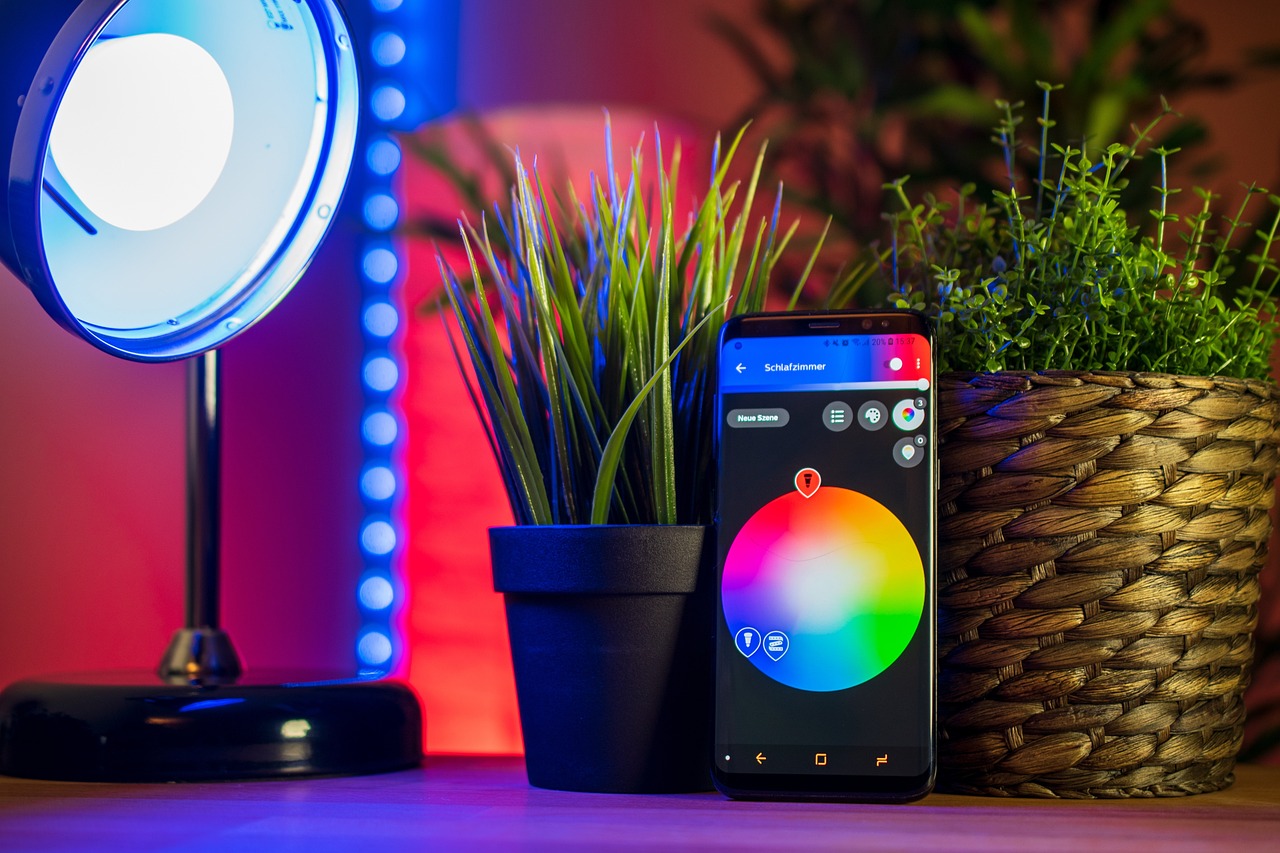
Exposure to bright blue light in the evening disrupts melatonin production and interferes with sleep. Use warm-toned bulbs (2700K-3000K) in areas where you spend evening hours. Consider smart bulbs that adjust color temperature throughout the day, mimicking natural light patterns.
Install blackout curtains or blinds in bedrooms to ensure complete darkness during sleep hours. Even small amounts of light can disrupt sleep quality and prevent your body from fully resting.
Personalizing Your Sanctuary With Meaningful Items
While minimalism creates calm, sterile spaces lack warmth. The key is curating meaningful items rather than displaying everything you own. Choose pieces that genuinely bring joy, represent cherished memories, or inspire positive emotions.
Create a small gallery wall with favorite photographs, display a collection that tells a story, or dedicate a shelf to objects from meaningful travels. When every visible item has purpose and meaning, your space feels personal without feeling cluttered.
Technology Boundaries for Mental Peace 📱
While technology enhances our lives in many ways, constant connectivity prevents true relaxation. Establishing technology boundaries in your home sanctuary is essential for mental well-being.
Designate tech-free zones, particularly in bedrooms and dining areas. Create a charging station away from sleeping spaces so devices don’t tempt you during the night. Consider establishing “digital sunset” hours when screens are put away in favor of calming activities like reading, stretching, or conversation.
Mindful Media Consumption Spaces
If you enjoy television or streaming content, create an intentional viewing space rather than having screens in every room. This prevents mindless scrolling and encourages more conscious decisions about media consumption. When you do use technology, you’ll be more present and intentional about it.
Air Quality and Temperature Control
The air you breathe significantly impacts how you feel. Poor air quality contributes to fatigue, headaches, and difficulty concentrating—all sources of stress that are easily addressed.
Open windows regularly to circulate fresh air, even for just a few minutes. Houseplants naturally filter toxins while adding oxygen. Consider an air purifier if you live in an area with poor outdoor air quality or have allergies.
Temperature also affects stress levels and sleep quality. Most people sleep best in slightly cool environments, around 65-68°F (18-20°C). Ensure your home has adequate temperature control, and use fans or space heaters as needed for comfort.
Maintaining Your Sanctuary: Simple Daily Practices ✨
Creating a stress-free space is one thing; maintaining it is another. Develop simple daily practices that preserve the peace you’ve created without becoming another source of stress.
Spend ten minutes each evening tidying up—putting items back in their places, wiping down surfaces, and preparing your space for the next day. This small investment prevents overwhelming messes from accumulating.
Weekly Refresh Rituals
Dedicate time each week to maintaining your sanctuary. Open all windows for thorough air circulation, water plants, wash bedding, and address any areas that need attention. These rituals become meditative practices rather than chores when approached mindfully.
Budget-Friendly Approaches to Transformation
Creating a stress-free sanctuary doesn’t require significant financial investment. Many of the most effective changes cost little or nothing.
- Rearrange furniture to improve flow and create better zones
- Deep clean and declutter for immediate transformation
- Shop your own home—move items between rooms for fresh perspectives
- Use items from nature like branches, stones, or pressed flowers as free decor
- DIY projects like painting old furniture or creating artwork add personal touches
- Trade items with friends to refresh your space without purchasing new things
- Focus on one room at a time rather than feeling overwhelmed by the entire home
Embracing Imperfection in Your Peaceful Space
Your sanctuary doesn’t need to look like a magazine spread to effectively reduce stress. In fact, overly perfect spaces can create their own anxiety about maintaining unrealistic standards.
Allow your home to show signs of life and use. A lived-in space with a few items out of place is far more relaxing than a showroom you’re afraid to actually inhabit. The goal is creating an environment that supports your well-being, not impressing visitors or achieving aesthetic perfection.
Your stress-free sanctuary should evolve with your needs and seasons of life. What brings peace during one period might need adjustment during another, and that’s perfectly natural. Stay attuned to how your space makes you feel, and make changes when something no longer serves your well-being.
By implementing these simple ideas—decluttering, choosing calming colors, incorporating natural elements, managing light and sound, and establishing boundaries—you can transform your home into a genuine sanctuary. This peaceful environment becomes the foundation for better sleep, improved mental health, and a more balanced life. Your home should be your refuge from the world’s demands, a place where stress dissolves and you can fully be yourself. With intention and consistency, that vision becomes your everyday reality.