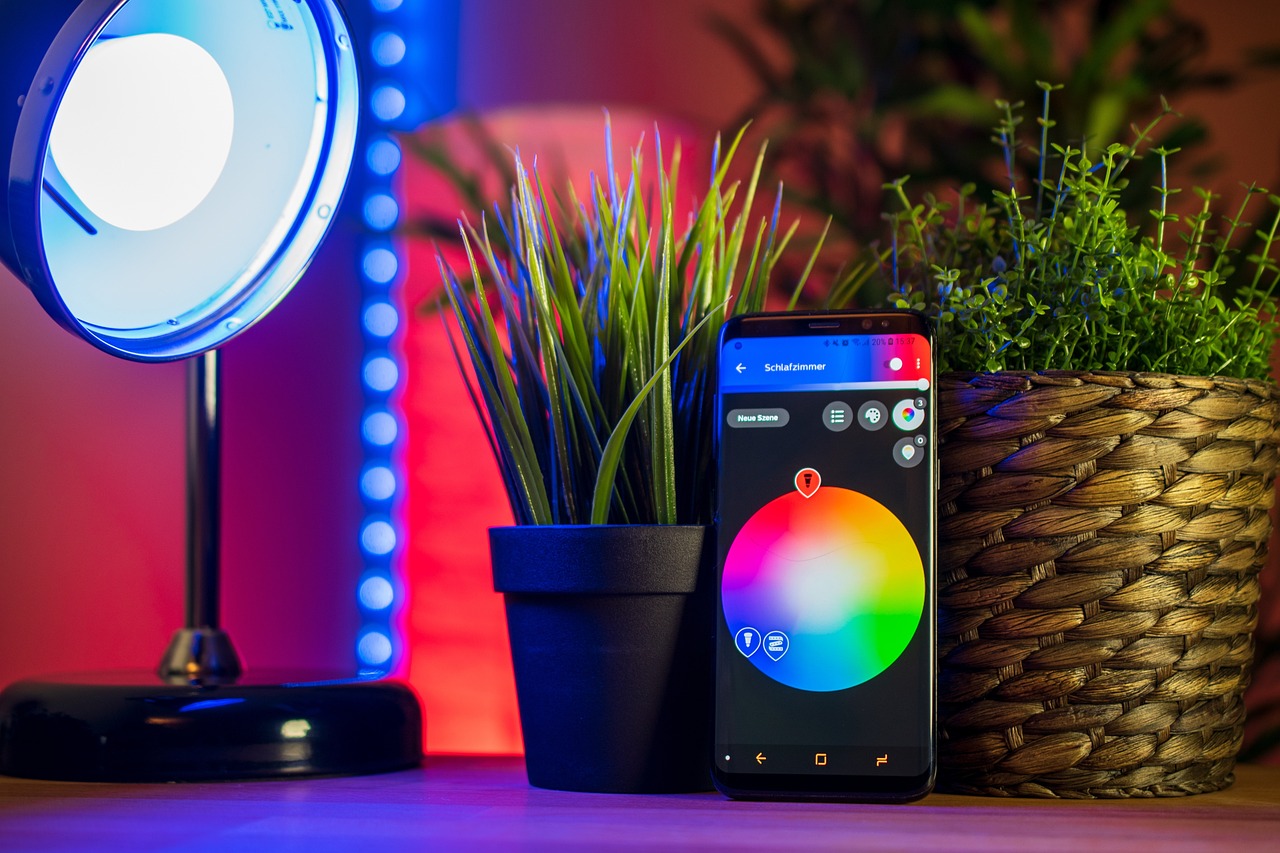
Creating spaces that nurture our innate connection to nature has become essential in modern living. Biophilic design merges natural elements with therapeutic environments to promote wellness, balance, and harmony in our daily lives.

As we spend increasingly more time indoors, the disconnect from natural environments has led to rising stress levels, decreased productivity, and overall diminished well-being. The integration of biophilic design principles offers a powerful solution to reconnect with nature while transforming our living and working spaces into therapeutic sanctuaries that support mental, physical, and emotional health.
🌿 Understanding Biophilic Design: The Foundation of Natural Wellness
Biophilic design represents far more than simply adding plants to a room. This comprehensive approach to architectural and interior design embraces our evolutionary connection to the natural world, incorporating elements that trigger positive biological responses and reduce stress. The term “biophilia” literally means “love of life,” coined by psychologist Erich Fromm and later popularized by biologist E.O. Wilson.
At its core, biophilic design acknowledges that humans possess an inherent tendency to seek connections with nature and other forms of life. This deep-rooted relationship developed over millennia of evolution, shaping our psychological and physiological responses to natural elements. When we integrate these elements into our built environments, we create spaces that feel intuitively comfortable, restorative, and energizing.
Research consistently demonstrates that biophilic design significantly impacts human health and productivity. Studies have shown reductions in stress hormones, improved cognitive function, enhanced creativity, and faster recovery times in healthcare settings that incorporate natural design elements. These benefits extend beyond mere aesthetic appreciation, triggering measurable physiological responses that promote overall wellness.
The Core Elements of Therapeutic Biophilic Environments
Creating truly therapeutic spaces requires understanding and implementing the fundamental components of biophilic design. These elements work synergistically to create environments that support natural harmony and wellness throughout your daily life.
Natural Light: The Essential Wellness Catalyst 💡
Natural lighting serves as perhaps the most critical element in biophilic design. Sunlight regulates our circadian rhythms, influences hormone production, and significantly affects mood and energy levels. Maximizing natural light exposure through strategic window placement, skylights, and reflective surfaces creates spaces that feel open, energizing, and connected to the natural day-night cycle.
Consider implementing large windows with minimal obstructions, using sheer curtains that filter rather than block light, and positioning workspaces and frequently used areas near natural light sources. Light shelves and mirrors can redirect and amplify available sunlight, bringing illumination deeper into interior spaces.
Living Elements: Bringing Nature Indoors 🌱
Incorporating living plants transforms static environments into dynamic, breathing ecosystems. Plants improve air quality by filtering toxins and producing oxygen, while their presence reduces stress and enhances concentration. The visual connection to growing, changing organisms satisfies our biophilic needs and creates focal points of natural beauty.
Select plants appropriate for your space’s light conditions and maintenance capabilities. Consider vertical gardens for compact spaces, hanging planters to add dimension, or statement trees for dramatic impact. Group plants in clusters to create mini-ecosystems that feel more substantial and natural than isolated specimens.
Natural Materials and Textures
The materials surrounding us profoundly influence how we perceive and experience space. Wood, stone, bamboo, cork, wool, and other natural materials provide tactile and visual connections to the natural world. These materials age beautifully, developing character over time rather than simply deteriorating like many synthetic alternatives.
Incorporate wooden furniture, stone countertops, natural fiber textiles, and clay or ceramic accessories. The varied textures of natural materials create sensory richness that engages touch, sight, and sometimes even smell, contributing to a multi-dimensional experience of space.
🏡 Implementing Biophilic Design in Different Spaces
The principles of biophilic design adapt beautifully to various environments, from intimate residential spaces to expansive commercial settings. Understanding how to tailor these concepts to specific contexts maximizes their therapeutic benefits.
Residential Living Spaces
Your home represents your primary sanctuary, making it the ideal environment for comprehensive biophilic transformation. Begin with the spaces where you spend the most time, such as bedrooms, living rooms, and home offices.
In bedrooms, prioritize calming natural colors, organic textiles, and plants with air-purifying qualities like snake plants or peace lilies. Position your bed to maximize morning light exposure, supporting healthy wake cycles. Use natural wood furniture and incorporate nature-inspired artwork or photography to strengthen the connection to outdoor environments.
Living areas benefit from larger statement plants, natural fiber rugs, and abundant natural light. Create indoor-outdoor connections through large windows or glass doors that frame garden views. Use natural stone or wood accents in fireplaces, feature walls, or flooring to add grounding elements.
Productive Workspaces and Home Offices
Work environments particularly benefit from biophilic design, as natural elements significantly enhance focus, creativity, and productivity while reducing workplace stress. Position desks near windows to maximize natural light and provide views of outdoor elements, even if just sky and trees.
Incorporate desk plants that thrive in indoor conditions and require minimal maintenance. Pothos, succulents, and small ferns work excellently in office settings. Use natural wood desk accessories, stone paperweights, or driftwood sculptures to add tactile natural elements within arm’s reach.
Consider the acoustic environment as well. Natural soundscaping through water features or apps that play nature sounds can mask disruptive noise while providing therapeutic auditory connections to natural environments.
Healing Bathrooms and Wellness Spaces 🛁
Bathrooms offer unique opportunities for creating therapeutic environments centered around water, an essential natural element. Transform utilitarian bathrooms into spa-like sanctuaries through intentional biophilic design.
Select natural stone tiles, wooden vanities, and plant species that thrive in humid conditions such as ferns, orchids, and air plants. Maximize natural light while maintaining privacy through frosted glass, skylights, or light tubes. Incorporate nature-inspired colors like seafoam green, sandy beige, and soft grey to evoke coastal or forest environments.
Water features beyond standard fixtures, such as rainfall showerheads or small tabletop fountains, enhance the sensory experience while providing calming ambient sound. Use natural essential oils in diffusers to add therapeutic aromatherapy elements that complement the visual biophilic design.
Color Psychology and Natural Palettes 🎨
Color choices profoundly impact our psychological and emotional responses to space. Biophilic design embraces color palettes inspired by natural environments, creating harmonious schemes that feel intuitively comfortable and restorative.
Earth tones including warm browns, terracottas, and ochres provide grounding and stability. These colors evoke soil, wood, and stone, creating foundations that feel solid and reassuring. Forest greens and deep teals promote calm and concentration while maintaining visual interest and sophistication.
Sky blues and soft grays introduce airiness and tranquility, particularly effective in bedrooms and meditation spaces. Accent with natural inspiration through sunset oranges, flower purples, or ocean turquoises, but use these vibrant tones sparingly to maintain overall harmony.
Avoid stark, unnatural whites in favor of creams, ivories, and warm whites that better reflect natural light variation throughout the day. These softer neutrals create more forgiving, comfortable environments that feel lived-in rather than sterile.
The Therapeutic Benefits of Biophilic Environments
The implementation of biophilic design principles yields measurable improvements across multiple dimensions of human wellness. Understanding these benefits reinforces the value of investing time and resources into creating naturally harmonious spaces.
Mental Health and Cognitive Function
Exposure to natural elements significantly reduces symptoms of anxiety, depression, and stress. Studies demonstrate that even brief views of natural scenes can lower cortisol levels and heart rate. Biophilic environments promote mental restoration, allowing cognitive resources depleted by sustained attention to replenish naturally.
The presence of plants and natural materials improves concentration, memory retention, and creative problem-solving. Workers in biophilic offices report higher job satisfaction, reduced sick days, and improved overall productivity. Students in naturally lit classrooms with views of vegetation demonstrate better test performance and behavior.
Physical Health Improvements
Natural environments within buildings contribute to tangible physical health benefits. Improved air quality from plants reduces respiratory issues and allergies. Natural light exposure regulates circadian rhythms, improving sleep quality and supporting healthy immune function.
Healthcare facilities incorporating biophilic design report faster patient recovery times, reduced pain medication requirements, and lower blood pressure readings. The stress reduction associated with natural elements translates directly into reduced inflammation and improved cardiovascular health over time.
Emotional Wellness and Life Satisfaction 😊
Beyond clinical health measures, biophilic environments enhance overall life satisfaction and emotional resilience. Spaces that connect us with nature provide comfort during difficult times and amplify joy during celebrations. They create settings for meaningful human connection while offering solitary retreat when needed.
The dynamic quality of living elements introduces subtle changes that prevent environmental monotony. Watching plants grow, observing shifting natural light patterns, and experiencing seasonal variations keeps spaces feeling alive and engaging rather than static and predictable.
Practical Implementation Strategies for Every Budget
Transforming your space with biophilic design doesn’t require extensive renovations or unlimited budgets. Strategic, incremental changes can significantly impact how your environment supports wellness and natural harmony.
Budget-Friendly Biophilic Upgrades
Start with plants, the most accessible biophilic element. Propagate cuttings from friends’ plants, divide existing specimens, or purchase affordable varieties from local nurseries. Group budget plants together for greater visual impact than expensive individual specimens spread thinly.
Rearrange existing furniture to maximize natural light exposure and create views to outdoor elements. Simply relocating a desk or reading chair can dramatically improve your daily connection to natural rhythms without spending anything.
Incorporate found natural objects like interesting stones, driftwood, shells, or pinecones collected during walks. Display these items intentionally to create natural vignettes that tell personal stories while adding organic textures.
Mid-Range Investments with High Impact
Invest in quality natural fiber textiles including wool rugs, linen curtains, and cotton upholstery. These materials improve immediately upon touch while offering longevity that justifies their higher initial cost compared to synthetic alternatives.
Replace artificial lighting with full-spectrum bulbs that better mimic natural daylight. While more expensive than standard bulbs, they significantly improve color rendering and reduce eye strain, particularly important in spaces with limited natural light.
Add architectural elements like wooden shelving, bamboo blinds, or stone accent pieces. These permanent fixtures provide lasting biophilic impact and often increase property value beyond their installation cost.
Premium Transformations for Comprehensive Wellness
For those able to invest more substantially, consider structural modifications that maximize natural light through enlarged windows, skylights, or glass doors. These changes fundamentally transform how you experience space while providing lasting value.
Install living walls or extensive indoor gardens with integrated irrigation systems. While requiring professional installation and maintenance, these features create dramatic focal points and significant air quality improvements.
Incorporate water features like indoor fountains, aquariums, or reflecting pools. The combination of visual beauty, soothing sound, and humidity regulation makes water features among the most therapeutic biophilic investments.
🌍 Sustainability and Biophilic Design Synergy
Biophilic design naturally aligns with sustainable practices, creating spaces that benefit both human wellness and environmental health. This synergy makes biophilic principles particularly relevant as we address climate challenges and resource limitations.
Choosing local, sustainably harvested natural materials reduces environmental impact while supporting regional economies. Reclaimed wood, salvaged stone, and vintage natural fiber textiles offer character and sustainability simultaneously.
Plants improve indoor air quality, reducing reliance on mechanical ventilation and air purification systems. Strategic landscaping with deciduous trees provides passive cooling in summer while allowing warming sunlight during winter months, reducing energy consumption.
Natural materials typically require less energy to produce than synthetic alternatives and biodegrade harmlessly at end of life rather than persisting as environmental pollutants. This cradle-to-cradle thinking supports both immediate wellness and long-term planetary health.
Maintaining Your Biophilic Environment for Lasting Harmony
Creating a therapeutic biophilic space represents just the beginning; maintaining these environments ensures continued wellness benefits and natural harmony over time.
Develop consistent plant care routines appropriate to your lifestyle and the specific needs of your chosen species. Group plants with similar water and light requirements to simplify maintenance. Consider self-watering systems or moisture meters if you travel frequently or tend toward neglectful plant care.
Natural materials require different maintenance than synthetic alternatives but reward proper care with enhanced character and longevity. Treat wood surfaces appropriately to prevent damage while allowing the material’s natural beauty to develop. Clean stone with pH-appropriate products that won’t damage or discolor surfaces.
Refresh your biophilic elements seasonally by rotating plants, updating natural displays, or introducing new textures and colors inspired by changing outdoor environments. This prevents stagnation while maintaining the dynamic quality that makes natural environments endlessly engaging.
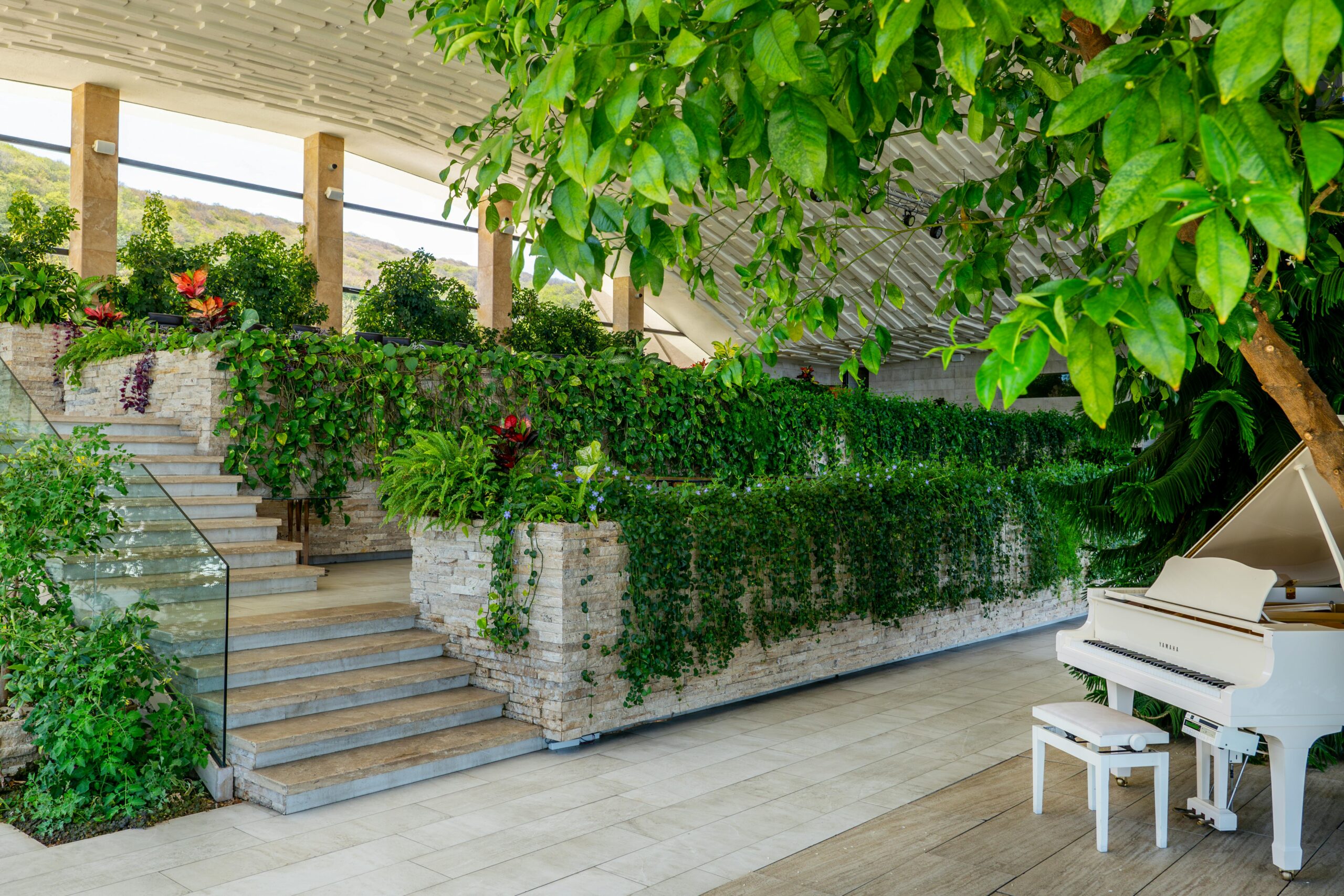
Your Journey Toward Natural Harmony Begins Now 🌟
Transforming your space with biophilic design represents an investment in your daily wellness, productivity, and long-term life satisfaction. Whether you implement dramatic renovations or begin with a single plant and intentional color choices, each step toward greater connection with natural elements yields measurable benefits.
Start where you are with what you have. Observe how natural light moves through your space throughout the day. Notice which areas feel most comfortable and which seem to drain energy. Use these observations to guide your biophilic design decisions, creating personalized therapeutic environments that address your specific needs and preferences.
Remember that biophilic design is ultimately about reconnecting with the natural world from which modern life increasingly separates us. By bringing nature’s patterns, materials, and living elements into our daily environments, we create spaces that don’t just look beautiful but actively support our health, happiness, and harmony with the world around us.
The therapeutic power of natural environments is no longer limited to occasional outdoor escapes. Through thoughtful biophilic design, you can cultivate wellness and natural harmony in every space you inhabit, transforming ordinary rooms into sanctuaries that nurture body, mind, and spirit every single day.