
In our fast-paced modern world, finding moments of peace has become essential for maintaining mental and physical well-being. The constant bombardment of notifications, deadlines, and responsibilities creates an overwhelming environment that drains our energy and diminishes our quality of life.

Creating stress-free spaces and reconnecting with nature offers a powerful antidote to the chaos of contemporary living. These intentional sanctuaries provide opportunities for genuine restoration, allowing both mind and body to heal from the accumulated pressures of daily existence. Understanding how to design these healing environments and harness nature’s therapeutic potential can transform your approach to wellness and self-care.
🌿 Understanding the Impact of Chronic Stress on Your Well-being
Chronic stress operates as a silent saboteur, gradually eroding our physical health and mental clarity. When our bodies remain in a constant state of heightened alert, the continuous release of cortisol and adrenaline disrupts nearly every bodily system. This prolonged activation of the stress response contributes to cardiovascular problems, weakened immune function, digestive issues, and accelerated aging.
The psychological toll proves equally devastating. Persistent stress correlates strongly with anxiety disorders, depression, memory impairment, and decreased cognitive performance. Many people normalize their stressed state, failing to recognize how significantly it compromises their ability to think clearly, make decisions, and experience joy in everyday moments.
Recognizing stress symptoms represents the first step toward reclaiming your well-being. Physical manifestations include tension headaches, muscle tightness, fatigue, sleep disturbances, and changes in appetite. Emotionally, you might experience irritability, overwhelm, difficulty concentrating, or a persistent sense of dread about future responsibilities.
Creating Your Personal Stress-Free Sanctuary
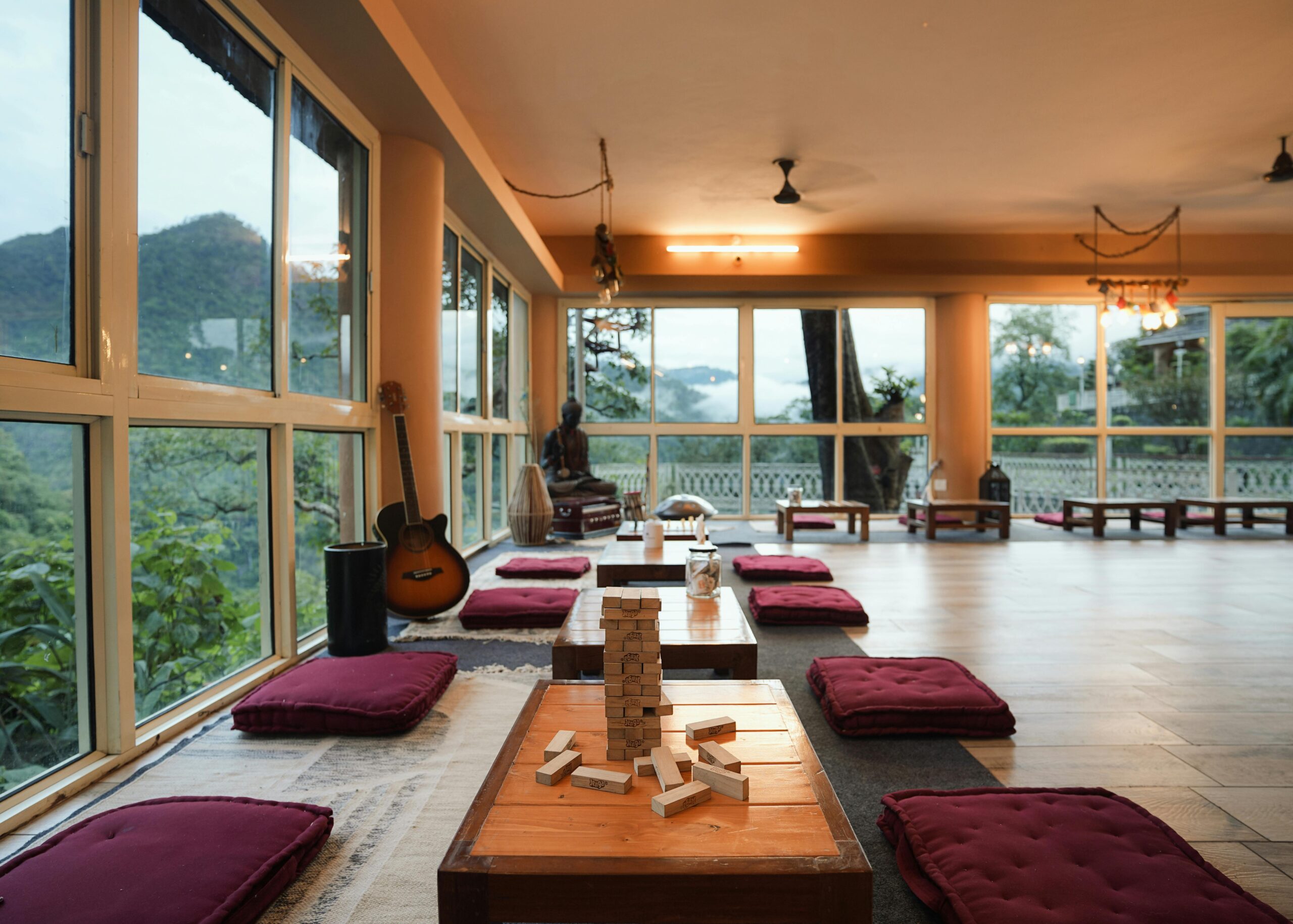
Designing a dedicated stress-free space within your home provides a physical refuge where restoration becomes possible. This sanctuary doesn’t require extensive square footage—even a corner of a room can serve as your healing retreat when thoughtfully arranged with intention and care.
Essential Elements of Restorative Spaces
The foundation of any stress-free zone begins with minimizing clutter and visual noise. Our brains process every object within our visual field, creating subtle cognitive load that accumulates throughout the day. By intentionally curating what enters your sanctuary, you create mental breathing room that facilitates genuine relaxation.
Lighting plays a crucial role in establishing calming atmospheres. Harsh overhead lighting triggers alertness rather than relaxation, while softer, warm-toned lighting signals to your nervous system that it’s safe to unwind. Consider incorporating dimmable lamps, candles, or salt lamps that provide gentle illumination without overstimulation.
Color psychology significantly influences our emotional states. Cool tones like soft blues, gentle greens, and muted lavenders promote tranquility and lower heart rate. Earth tones including warm beiges, soft browns, and sage greens create grounding effects that help anchor scattered thoughts and anxious feelings.
Sensory Design for Deep Relaxation
Engaging multiple senses amplifies the restorative power of your stress-free space. Aromatherapy utilizing essential oils like lavender, chamomile, or frankincense triggers the limbic system, directly influencing emotional regulation and stress response. Diffusers, candles, or simple dried herbs can infuse your sanctuary with calming scents.
Texture matters more than many realize. Incorporating soft fabrics, plush cushions, cozy blankets, and natural materials creates tactile comfort that signals safety to your nervous system. The simple act of wrapping yourself in a soft throw can activate parasympathetic responses that counteract stress.
Sound environments profoundly affect our ability to relax. While complete silence works for some, others find gentle nature sounds, soft instrumental music, or white noise more conducive to unwinding. Experiment with different auditory backgrounds to discover what allows your mind to settle most effectively.
🌲 Nature’s Profound Healing Mechanisms
The therapeutic relationship between humans and nature extends far beyond pleasant aesthetics. Scientific research consistently demonstrates that natural environments trigger measurable physiological changes that promote healing and restoration at cellular levels.
The Science Behind Forest Bathing and Ecotherapy
Forest bathing, or shinrin-yoku as it’s known in Japan, involves mindfully immersing yourself in forest atmospheres. Studies reveal that spending time among trees lowers cortisol levels, reduces blood pressure, decreases heart rate, and boosts immune system function through increased natural killer cell activity.
Trees release phytoncides—airborne chemicals that protect them from insects and decay. When humans breathe these compounds, our bodies respond with enhanced immune function that persists for days after forest exposure. This biological exchange represents a tangible mechanism through which nature directly supports our physical health.
Visual exposure to natural landscapes reduces activity in the prefrontal cortex, the brain region associated with rumination and worry. This neurological quieting explains why nature walks often bring mental clarity and fresh perspectives on problems that seemed insurmountable indoors.
Bringing Nature Indoors for Continuous Benefits
When outdoor access proves limited, incorporating natural elements into your living spaces provides ongoing stress-relief benefits. Indoor plants improve air quality while simultaneously reducing anxiety and enhancing mood through their presence alone.
Certain plants offer particularly powerful stress-reducing properties:
- Lavender promotes relaxation and improves sleep quality through its calming aroma
- Snake plants purify air and release oxygen at night, supporting better rest
- Peace lilies remove toxins while requiring minimal maintenance
- Aloe vera provides air-cleaning benefits and practical first-aid applications
- Spider plants effectively filter indoor pollutants while being nearly impossible to kill
Natural materials like wood, stone, and bamboo create visual connections to outdoor environments. These elements ground spaces in organic authenticity that synthetic materials cannot replicate, subtly reinforcing your connection to the natural world.
Mindful Practices for Mind and Body Restoration 🧘
Creating stress-free spaces and accessing nature provides the foundation, but intentional practices amplify their restorative potential. These techniques help you fully receive the healing benefits your environment offers.
Breathwork as Your Portable Stress-Relief Tool
Controlled breathing exercises represent the most accessible stress-management technique available anywhere, anytime. Deep diaphragmatic breathing activates the vagus nerve, triggering parasympathetic nervous system responses that directly counteract stress physiology.
The 4-7-8 breathing pattern offers particular effectiveness: inhale through your nose for four counts, hold for seven counts, then exhale completely through your mouth for eight counts. This rhythm forces your body into relaxation mode, making it physiologically impossible to maintain high stress levels.
Box breathing, used by military personnel in high-stress situations, involves equal counts for inhaling, holding, exhaling, and holding again—typically four counts each. This balanced pattern calms racing thoughts while grounding awareness in the present moment.
Movement Practices That Release Tension
Physical movement serves as a powerful mechanism for processing and releasing stored stress. Unlike high-intensity exercise that can occasionally elevate cortisol, gentle movement practices specifically designed for restoration offer pure stress-relief benefits.
Yoga combines physical postures, breathing techniques, and meditation into integrated practice that addresses stress holistically. Restorative yoga styles emphasize supported poses held for extended periods, allowing deep muscular release and nervous system recalibration.
Tai chi and qigong utilize slow, flowing movements coordinated with breath to cultivate inner calm while gently strengthening the body. These ancient practices reduce inflammation markers, improve balance, and enhance overall vitality through their meditative quality.
Simple walking, especially in natural settings, provides low-barrier access to movement-based stress relief. The bilateral stimulation of walking—alternating left and right steps—helps process emotional tension while the rhythmic nature quiets mental chatter.
🌅 Designing Daily Rituals for Consistent Restoration
Sporadic stress-relief efforts provide temporary respite, but consistent daily practices create fundamental shifts in your baseline stress levels and overall resilience. Establishing non-negotiable restoration rituals protects your well-being from the encroachment of endless demands.
Morning Routines That Set Peaceful Intentions
How you begin each day profoundly influences your stress levels throughout the remaining hours. Starting with mindful practices rather than immediately checking devices creates psychological space before the world’s demands flood in.
Consider dedicating the first 20-30 minutes after waking to yourself exclusively. This might include meditation, journaling, gentle stretching, or simply sitting quietly with your morning beverage while watching natural light strengthen. This protected time establishes your agency over your day rather than allowing external forces to dictate your energy.
Morning light exposure, particularly outdoors, regulates circadian rhythms that govern sleep quality, mood stability, and stress hormone production. Even five minutes outside shortly after waking provides significant benefits for your body’s internal timing systems.
Evening Wind-Down Practices for Restorative Sleep
Quality sleep represents one of the most powerful restoration tools available, yet stress frequently disrupts this essential process. Creating consistent evening routines signals to your body that it’s time to transition from doing to being.
Digital sunset—powering down screens at least one hour before bed—removes the blue light that suppresses melatonin production. This practice also eliminates the psychological activation that comes from engaging with work emails, news, or social media before attempting to rest.
Progressive muscle relaxation systematically releases physical tension accumulated throughout the day. Starting with your toes and working upward, deliberately tense then release each muscle group, bringing awareness to areas holding stress you might not have consciously noticed.
Technology Tools for Mindful Living
While technology often contributes to stress, certain applications support your restoration efforts when used intentionally. Meditation and mindfulness apps provide guided practices that help establish consistent habits, especially valuable for beginners unsure where to start.
Insight Timer offers thousands of free guided meditations, nature sounds, and talks on stress management from teachers worldwide. The community features and timer functions support both guided and silent practice.
Nature sound applications recreate outdoor environments for those with limited access to natural spaces. Rain sounds, forest atmospheres, ocean waves, and birdsong provide auditory nature immersion that triggers similar relaxation responses as actual outdoor exposure.
Nutrition’s Role in Stress Resilience 🥗
The connection between what we consume and our stress levels operates bidirectionally. Stress influences food choices, often driving us toward processed comfort foods, while our dietary patterns significantly impact our body’s ability to manage stress effectively.
Certain nutrients directly support stress response systems. Magnesium, found in leafy greens, nuts, seeds, and dark chocolate, helps regulate cortisol and supports hundreds of enzymatic processes related to stress management. Many people are deficient in this crucial mineral, amplifying their stress vulnerability.
Omega-3 fatty acids from fatty fish, walnuts, and flaxseeds reduce inflammation and support brain health, directly influencing mood regulation and anxiety levels. B-complex vitamins, particularly B6, B9, and B12, play essential roles in neurotransmitter production that governs emotional well-being.
Adaptogenic herbs like ashwagandha, rhodiola, and holy basil help your body adapt to stress by modulating cortisol production and supporting adrenal function. These traditional remedies, now validated by modern research, offer gentle support for overburdened stress response systems.
🌸 Social Connection as Restoration
While solitude in stress-free spaces provides essential restoration, humans are fundamentally social creatures who also heal through connection. Quality relationships buffer against stress effects while isolation amplifies them.
Authentic conversation with trusted friends or family members activates oxytocin release, the bonding hormone that directly counteracts stress hormones. Sharing burdens doesn’t just provide emotional relief—it creates measurable physiological changes that support healing.
Nature-based social activities combine the benefits of outdoor exposure with connection. Walking with a friend, joining outdoor yoga classes, or participating in conservation volunteer work provides compounded restoration benefits that exceed either element alone.
Setting boundaries around toxic relationships proves equally important. Chronically stressful social dynamics drain your reserves and undermine restoration efforts in other areas. Protecting your energy by limiting exposure to relationships that consistently elevate stress represents self-care, not selfishness.
Embracing Imperfection in Your Restoration Journey
Perfectionism about stress management ironically creates additional stress. Your restoration practice will never look flawless, and that’s entirely appropriate. Some days you’ll meditate for 20 minutes; other days, three conscious breaths might represent your entire mindfulness practice.
Progress unfolds non-linearly. You might experience periods of reduced stress followed by challenging phases when old patterns resurface. These fluctuations don’t indicate failure—they reflect the reality of being human in a complex world.
Self-compassion accelerates healing more effectively than self-criticism. When you notice stress mounting or realize you’ve abandoned helpful practices, respond with kindness rather than judgment. Each moment offers a fresh opportunity to choose restoration, regardless of what came before.
Building Your Personalized Restoration Plan 📋
Generic stress-management advice rarely accounts for individual circumstances, preferences, and needs. Your restoration approach should reflect your unique life situation, incorporating elements that genuinely resonate rather than following prescriptive formulas.
Start by identifying your primary stressors and current stress symptoms. This honest assessment reveals where intervention will provide maximum benefit. Perhaps sleep quality represents your biggest challenge, or maybe you struggle with racing thoughts that prevent relaxation.
Experiment with different techniques and environments to discover what genuinely helps you unwind. Some people find water inherently calming while others prefer mountains. Certain individuals relax through creative expression while others need physical movement. Honor your authentic preferences rather than forcing approaches that feel misaligned.
Create sustainable practices by starting small. Committing to five minutes daily proves more valuable than planning elaborate routines you’ll never maintain. Once brief practices become habitual, expansion happens naturally without overwhelming your capacity.
Transforming Your Relationship with Stress
Complete stress elimination remains impossible and arguably undesirable—some stress provides motivation and growth opportunities. The goal involves changing your relationship with stress, developing resilience that allows you to navigate challenges without becoming overwhelmed or depleted.
Your stress-free spaces and nature connection practices serve as anchors during turbulent periods. When chaos threatens to consume you, these refuges remind you that peace remains accessible. Your body remembers the calm it experienced in these sanctuaries, making the relaxation response increasingly accessible over time.
Restoring mind and body isn’t a luxury reserved for vacations or retirement—it’s an essential maintenance practice that enables sustainable engagement with life’s demands. By intentionally creating healing environments and consistently utilizing nature’s therapeutic power, you build reserves that support not just survival but genuine flourishing. The chaos will continue swirling, but you can choose to step out of it regularly, remembering that you deserve peace as much as productivity. 🌿