Our environment shapes who we are in ways we rarely stop to consider. Every space we inhabit influences our thoughts, emotions, and actions through subtle yet powerful mechanisms.

From the colors on our walls to the arrangement of furniture, from natural light streaming through windows to the ambient sounds surrounding us, our surroundings continuously sculpt our cognitive capabilities and emotional states. Understanding this profound connection between environment and mind offers revolutionary insights into optimizing our spaces for enhanced well-being, productivity, and mental clarity.
🧠 The Invisible Architecture of Influence
Environmental psychology has revealed that our brains are extraordinarily responsive to contextual cues. These responses operate largely beneath conscious awareness, making them particularly influential in shaping behavior patterns. The spaces we occupy send constant signals to our nervous system, triggering hormonal responses, altering brain wave patterns, and modifying cognitive processing speeds.
Research demonstrates that environmental factors can enhance or diminish our cognitive potential by as much as 15-20%. This isn’t merely about comfort or aesthetics—it’s about the fundamental way our neural pathways respond to spatial information, sensory input, and environmental stimuli.
The concept of environmental psychology emerged from the recognition that human behavior cannot be understood in isolation from context. We are not autonomous beings making decisions in a vacuum; rather, we are deeply embedded in physical and social environments that continuously interact with our psychological processes.
Light: The Master Regulator of Mood and Cognition
Natural light stands as perhaps the most powerful environmental factor influencing human psychology. Our circadian rhythms—internal biological clocks that regulate sleep, hormone production, and cognitive performance—are primarily calibrated by light exposure patterns.
Workspaces with abundant natural light have been associated with improved sleep quality, increased vitamin D absorption, enhanced mood, and greater productivity. Studies reveal that employees working near windows report an 84% decrease in eyestrain, headaches, and blurred vision compared to those in windowless environments.
The Spectrum of Impact
Different light wavelengths produce distinct psychological effects. Blue-enriched light enhances alertness and cognitive performance during daytime hours, making it ideal for workspaces requiring focus and analytical thinking. Conversely, warmer light tones promote relaxation and prepare the body for rest, making them suitable for evening environments.
Artificial lighting designed to mimic natural daylight patterns can partially compensate for insufficient sun exposure. However, no artificial substitute fully replicates the complex spectral composition of natural sunlight, which contains wavelengths that regulate crucial biological processes beyond simple visibility.
🎨 Color Psychology: Beyond Aesthetic Preferences
Colors influence psychological states through both learned associations and potentially innate biological responses. The strategic use of color in environmental design can significantly impact mood, energy levels, and cognitive function.
Blue environments typically promote calmness, focus, and analytical thinking, making them excellent for offices and study spaces. Green, associated with nature and growth, reduces stress and enhances creativity. Red increases physiological arousal, heart rate, and can improve performance on detail-oriented tasks but may also elevate stress levels if overused.
Cultural Considerations in Color Response
While some color associations appear universal, cultural conditioning plays a substantial role in how we interpret color meaning. Western cultures typically associate white with purity and cleanliness, while some Eastern traditions connect white with mourning. These learned associations overlay biological responses, creating complex psychological effects.
Optimal color schemes balance personal preferences, cultural contexts, and evidence-based psychological effects. Monochromatic environments may feel sterile and decrease stimulation, while excessive color variation can overwhelm sensory processing and diminish focus.
Spatial Configuration and Cognitive Performance
The physical layout of our environments profoundly affects how we think and behave. Open-plan offices, designed to facilitate collaboration, often paradoxically reduce face-to-face interaction while increasing stress and decreasing concentration due to constant sensory stimulation and lack of privacy.
Ceiling height influences abstract thinking and creativity. Higher ceilings promote conceptual, expansive thinking, while lower ceilings enhance focused, detail-oriented work. This phenomenon, called “cathedral effect,” demonstrates how spatial parameters literally shape thought patterns.
Navigating the Personal Space Equation
Humans possess innate territorial instincts and require adequate personal space for optimal functioning. Crowded environments trigger stress responses, elevate cortisol levels, and diminish cognitive resources as the brain allocates processing power to monitoring potential threats in the immediate vicinity.
Creating zones within larger spaces—through furniture arrangement, screens, or plants—can provide psychological boundaries that offer necessary mental separation without complete physical isolation. These semi-private spaces support both collaboration and concentration.
🌿 Biophilic Design: Reconnecting with Nature
Biophilia, our innate affinity for natural environments, represents an evolutionary adaptation. For the vast majority of human history, our ancestors lived immersed in nature. Modern indoor lifestyles represent a dramatic departure from these ancestral conditions, potentially contributing to various psychological challenges.
Incorporating natural elements into built environments—through plants, natural materials, water features, or nature imagery—produces measurable psychological benefits. Studies show that even brief exposure to nature views can reduce stress, lower blood pressure, improve attention restoration, and enhance creativity.
Practical Implementation of Natural Elements
Indoor plants not only improve air quality but also provide psychological benefits through their presence. A study of hospital patients found that those with plant views in their rooms required less pain medication and reported better moods than those without vegetation views.
Natural materials like wood, stone, and natural fibers create warmer, more psychologically comforting environments compared to synthetic alternatives. These materials often possess complex textures and patterns that engage our perceptual systems without overwhelming them.
Sound Environments: The Overlooked Dimension
Acoustic environments dramatically influence cognitive performance, stress levels, and emotional states. Background noise affects working memory, reading comprehension, and complex problem-solving, with speech being particularly disruptive to cognitive tasks requiring language processing.
Complete silence isn’t necessarily optimal either. Moderate ambient noise (around 70 decibels)—like the sounds found in coffee shops—can actually enhance creative thinking by promoting abstract processing. This phenomenon explains why many people report enhanced creativity in moderately noisy environments.
Creating Optimal Acoustic Conditions
Sound masking—using neutral ambient sounds to cover disruptive noises—can improve concentration in open environments. Natural sounds like flowing water, rustling leaves, or rainfall typically reduce stress responses more effectively than mechanical sounds or silence.
For environments requiring deep focus, noise-cancelling technology or white noise applications can create acoustic privacy without physical barriers. These tools give individuals greater control over their auditory environment, which itself enhances psychological well-being through increased autonomy.
💡 Temperature and Air Quality: Physical Comfort Meets Mental Performance
Thermal comfort significantly impacts cognitive function, with studies showing that temperature deviations from personal comfort zones reduce productivity and increase error rates. The optimal temperature for cognitive performance varies individually but generally falls between 20-24°C (68-75°F).
Air quality represents another critical yet often neglected environmental factor. Poor ventilation increases carbon dioxide concentrations, which impairs decision-making, strategic thinking, and information processing. Volatile organic compounds (VOCs) from furnishings, cleaning products, and building materials can cause cognitive impairment and mood disturbances.
Monitoring and Improving Air Conditions
Regular ventilation, air purification systems, and selecting low-VOC materials substantially improve indoor air quality. Indoor plants contribute to air purification, though their effect is modest compared to mechanical systems in typical indoor environments.
Maintaining adequate humidity levels (40-60%) supports respiratory health, reduces disease transmission, and enhances comfort. Both excessively dry and overly humid conditions negatively affect well-being and cognitive function.
The Psychology of Order and Clutter
Visual complexity in our environment directly impacts mental processing. Cluttered spaces increase cognitive load by continuously competing for attention resources, reducing our capacity for focused thought and elevating stress hormones.
However, some degree of personalization and controlled complexity can enhance creativity and comfort. Completely sterile environments may feel alienating and reduce psychological ownership of space, potentially decreasing motivation and satisfaction.
Finding the Balance Between Minimalism and Personalization
The optimal approach maintains organization while incorporating meaningful personal items that support identity and well-being. Photographs, artwork, and objects with personal significance contribute to psychological comfort without necessarily creating distracting clutter.
Designated storage systems that keep necessary items accessible but visually contained allow for functional organization without aesthetic chaos. This approach reduces decision fatigue about object placement while maintaining environmental order.
🏢 Designing Environments for Specific Cognitive Goals
Different cognitive tasks benefit from distinct environmental configurations. Creative work flourishes in more relaxed, slightly chaotic environments with varied stimuli and comfortable seating that allows postural variation. Analytical work requires minimal distraction, good lighting, ergonomic furniture, and acoustic privacy.
Collaborative spaces should facilitate easy communication while providing adequate acoustic buffering to prevent disruption of nearby focused work. Flexibility in environmental design—allowing individuals to modify their immediate surroundings—enhances autonomy and satisfaction.
The Role of Technology in Environmental Optimization
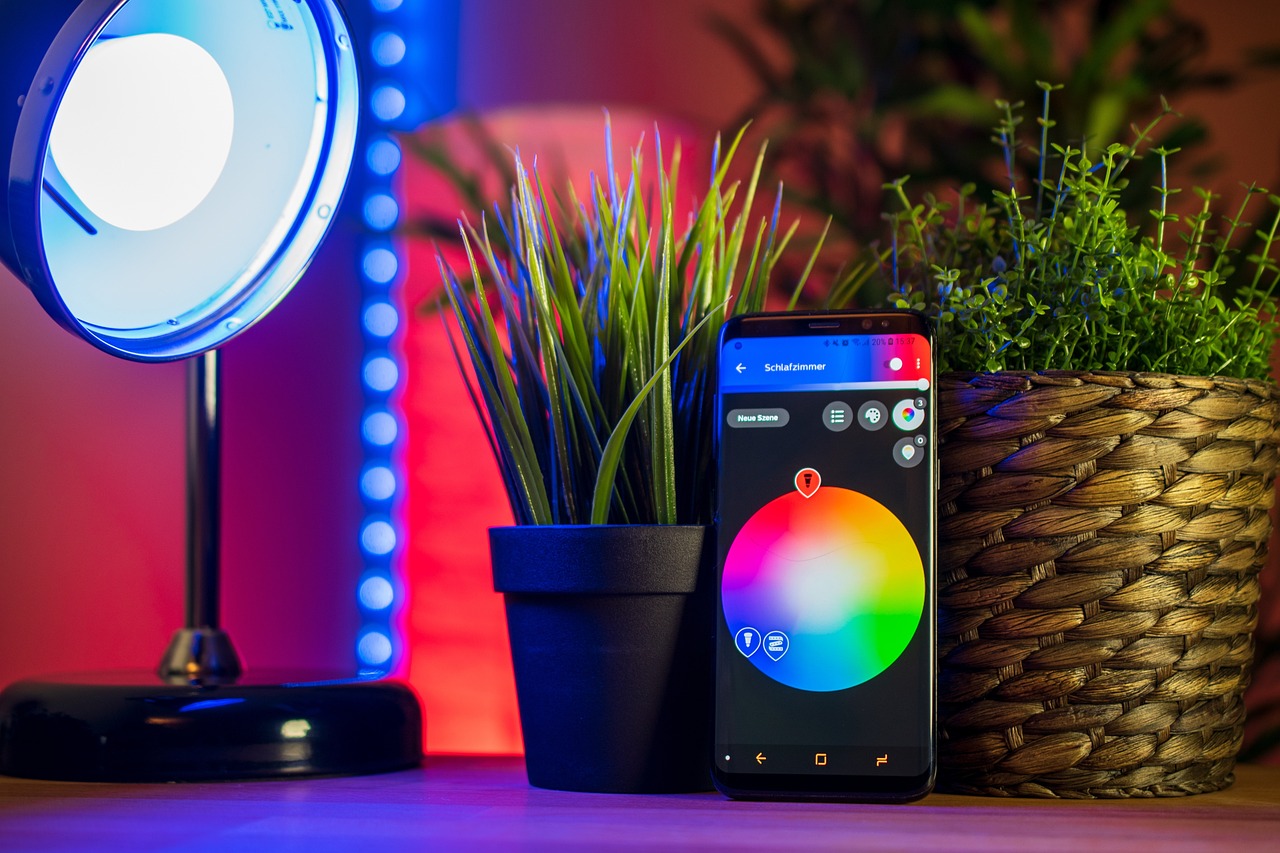
Smart environmental systems increasingly allow precise control over lighting, temperature, and acoustic conditions. These technologies enable personalization at scales previously impossible, potentially accommodating individual preferences within shared spaces.
Environmental monitoring applications can track air quality, light levels, and noise, providing data to inform optimization decisions. This quantified approach to environmental design moves beyond aesthetic preferences to evidence-based space configuration.
Social Dimensions of Physical Environments
Beyond physical parameters, environments shape social interactions and relationships. Spatial arrangements that facilitate chance encounters—like centrally located staircases or common areas—increase social connection and information exchange, which support both well-being and innovation.
Privacy gradients—offering spaces ranging from completely private to fully public—allow individuals to regulate social interaction according to task requirements and personal preferences. This flexibility supports diverse working styles and personality types.
Cultural Context in Environmental Preferences
Cultural backgrounds significantly influence environmental preferences and responses. Individualistic cultures typically value private workspaces more highly, while collectivistic cultures may prefer collaborative arrangements. Effective environmental design considers the cultural composition of occupants.
Cross-cultural workplaces benefit from providing variety in spatial configurations, allowing individuals to select environments aligning with both task requirements and cultural comfort levels.
✨ Transforming Awareness into Action
Understanding how environments influence cognition and mood provides powerful tools for intentional space design. Small modifications can yield substantial psychological benefits without requiring extensive resources or renovations.
Begin by assessing your primary environment against evidence-based principles: Does it provide adequate natural light? Is the color scheme supporting your intended activities? Does the acoustic environment facilitate your work? Is air quality optimized? These questions guide systematic environmental enhancement.
Practical Steps for Environmental Optimization
Start with lighting improvements, as these often produce the most noticeable effects. Position work areas near windows when possible, and invest in quality lighting that mimics natural light patterns. Consider task-specific lighting that provides control over intensity and color temperature.
Introduce natural elements through plants, natural materials, or nature imagery. Even small interventions like desktop plants or nature photographs can provide measurable benefits.
Address acoustic conditions by identifying and mitigating noise sources. Add sound-absorbing materials like rugs, curtains, or acoustic panels. Establish quiet zones or times in shared spaces.
Organize physical spaces to reduce visual clutter while maintaining personalization. Create systems that support easy maintenance of order without requiring constant attention.

The Future of Human-Centered Environmental Design
Emerging research continues revealing new dimensions of environment-behavior relationships. Advances in neuroscience, environmental psychology, and building technology promise increasingly sophisticated approaches to space design that optimize human potential.
The growing recognition that physical environments represent critical determinants of well-being, productivity, and cognitive function signals a paradigm shift in how we approach design. Future environments will likely incorporate real-time biometric feedback, adapting automatically to occupant needs and states.
This evolution toward responsive, human-centered design acknowledges that our surroundings are not passive backdrops to human activity but active participants in shaping who we become. By consciously crafting our environments, we unlock opportunities to enhance not just comfort or efficiency, but our fundamental cognitive capabilities and emotional well-being.
The spaces we create, in turn, create us. This reciprocal relationship between environment and self offers profound implications for personal development, organizational success, and societal flourishing. As we continue discovering the intricate ways our surroundings shape our minds and moods, we gain unprecedented agency in designing lives of greater fulfillment, effectiveness, and psychological richness.