Lighting transforms spaces from ordinary to extraordinary. The secret lies not just in brightness, but in mastering light temperature to create the perfect ambiance for every moment.

Understanding how different light temperatures affect mood, productivity, and aesthetics is essential for anyone seeking to elevate their interior design game. Whether you’re setting up a cozy reading nook, optimizing a home office, or creating a restaurant-worthy dining atmosphere, light temperature balancing is your most powerful yet underutilized tool.
🌡️ Understanding the Science Behind Light Temperature
Light temperature, measured in Kelvin (K), describes the color appearance of light sources. This measurement ranges from warm amber tones around 2000K to cool blue-white hues exceeding 6500K. Unlike actual heat, color temperature refers purely to the visual warmth or coolness of light.
The human eye and brain respond dramatically to these variations. Warm light triggers relaxation responses by mimicking sunset conditions, while cooler temperatures simulate midday sunlight, promoting alertness and focus. This biological response makes light temperature balancing crucial for both functional and emotional well-being.
The Kelvin Scale Decoded
Natural candlelight sits around 1500K, creating an intimate, romantic atmosphere. Incandescent bulbs typically emit light at 2700-3000K, producing that familiar warm glow associated with traditional home lighting. Moving up the scale, neutral white appears around 4000-4500K, while daylight replication occurs between 5500-6500K.
Professional photographers and videographers obsess over these measurements because they understand how dramatically color temperature affects visual perception. The same principle applies to interior spaces, where the right temperature balance can make colors pop, textures emerge, and spaces feel intentionally designed rather than accidentally lit.
Creating Mood Through Strategic Temperature Selection ✨
Different spaces demand different approaches to light temperature. The key is matching the temperature to the activity and emotional tone you want to establish in each area of your home or workspace.
Living Spaces and Relaxation Zones
Living rooms, bedrooms, and entertainment areas benefit from warmer temperatures between 2700-3000K. This range encourages conversation, relaxation, and social bonding. The warm glow softens facial features, makes skin tones appear healthier, and creates psychological comfort that invites people to linger.
Layering different warm sources at various heights creates depth and dimension. Table lamps, floor lamps, and wall sconces at consistent warm temperatures provide ambient lighting without the harshness that drives people away from spaces. Consider adding dimming capabilities to adjust intensity while maintaining that warm character throughout evening hours.
Productivity and Task-Oriented Environments
Home offices, kitchens, and workshops require cooler temperatures between 4000-5000K. This range enhances concentration, reduces eye strain during detailed work, and improves color accuracy when precision matters. The slightly cooler tone simulates natural daylight, which helps maintain circadian rhythms and prevents afternoon energy crashes.
Desk lamps with adjustable color temperature have become essential tools for remote workers and students. The ability to shift from cool white during intense work sessions to warmer tones during breaks provides flexibility that static lighting cannot match.
🎨 The Color Rendering Connection
Light temperature doesn’t work in isolation. Color Rendering Index (CRI) measures how accurately a light source reveals true colors compared to natural sunlight. Even perfect temperature balancing fails if your CRI is poor, resulting in washed-out, distorted, or lifeless spaces.
High-CRI lighting (90+) combined with appropriate temperature selection ensures that artwork displays properly, food looks appetizing, and clothing colors appear accurate. This combination is particularly critical in retail environments, galleries, and anywhere visual accuracy impacts experience or decision-making.
Matching Temperatures to Materials
Different materials respond uniquely to various light temperatures. Warm woods, brass fixtures, and earth-toned textiles glow beautifully under 2700-3000K lighting. Cool metals, white marble, and modern minimalist aesthetics often benefit from 3500-4000K temperatures that emphasize clean lines and contemporary sophistication.
Testing light temperatures against your specific materials before committing to fixtures saves costly mistakes. Many LED bulbs now offer temperature adjustment, allowing experimentation without replacing entire lighting systems.
Dynamic Lighting: Adapting Throughout the Day 🌅
Static lighting belongs to the past. Human-centric lighting design recognizes that our biological needs shift throughout the day, requiring corresponding adjustments in light temperature and intensity.
Morning Activation
Starting your day with gradually increasing light intensity at cooler temperatures (5000-6500K) supports natural cortisol production and alertness. This mimics sunrise conditions, helping reset circadian rhythms and promoting wakefulness without harsh jarring transitions.
Smart lighting systems can automate this process, beginning around 30 minutes before waking and gradually intensifying to simulate natural dawn. This approach is particularly valuable during winter months when natural sunrise occurs late or during dark morning commutes.
Midday Maintenance
Maintaining cooler temperatures between 4500-5500K during peak productivity hours supports sustained focus and energy. This range closely approximates natural daylight filtering through windows, reducing the disconnect between artificial and natural light sources.
For spaces without adequate natural light, this temperature range becomes even more critical. The absence of windows makes occupants entirely dependent on artificial sources for circadian regulation and mood maintenance.
Evening Wind-Down
Transitioning to warmer temperatures (2200-2700K) as evening approaches signals your body to begin melatonin production. This natural sleep hormone requires reduced blue light exposure, which warmer temperatures provide automatically.
Dimming capabilities enhance this effect, allowing gradual reduction in both intensity and temperature. Creating a two-hour wind-down period with progressively warmer, dimmer lighting dramatically improves sleep quality and next-day alertness.
🏠 Room-by-Room Temperature Strategy
Each room serves unique purposes requiring customized temperature approaches. A comprehensive whole-home lighting strategy considers these differences while maintaining overall design coherence.
Kitchen Brilliance
Kitchens demand versatility. Task lighting over prep areas should sit around 4000-4500K for accurate color perception when cooking. Ambient lighting can run slightly warmer at 3000-3500K to maintain approachability. Dining areas within open-concept kitchens benefit from separate circuits at 2700K to distinguish eating from cooking zones.
Bathroom Considerations
Bathrooms present unique challenges. Vanity lighting around 3500-4000K provides accurate color rendering for grooming without the harshness of cooler temperatures. This range shows makeup colors accurately while remaining flattering to skin tones. Shower and general ambient lighting can shift warmer to 3000K for relaxation during bathing.
Bedroom Sanctuary
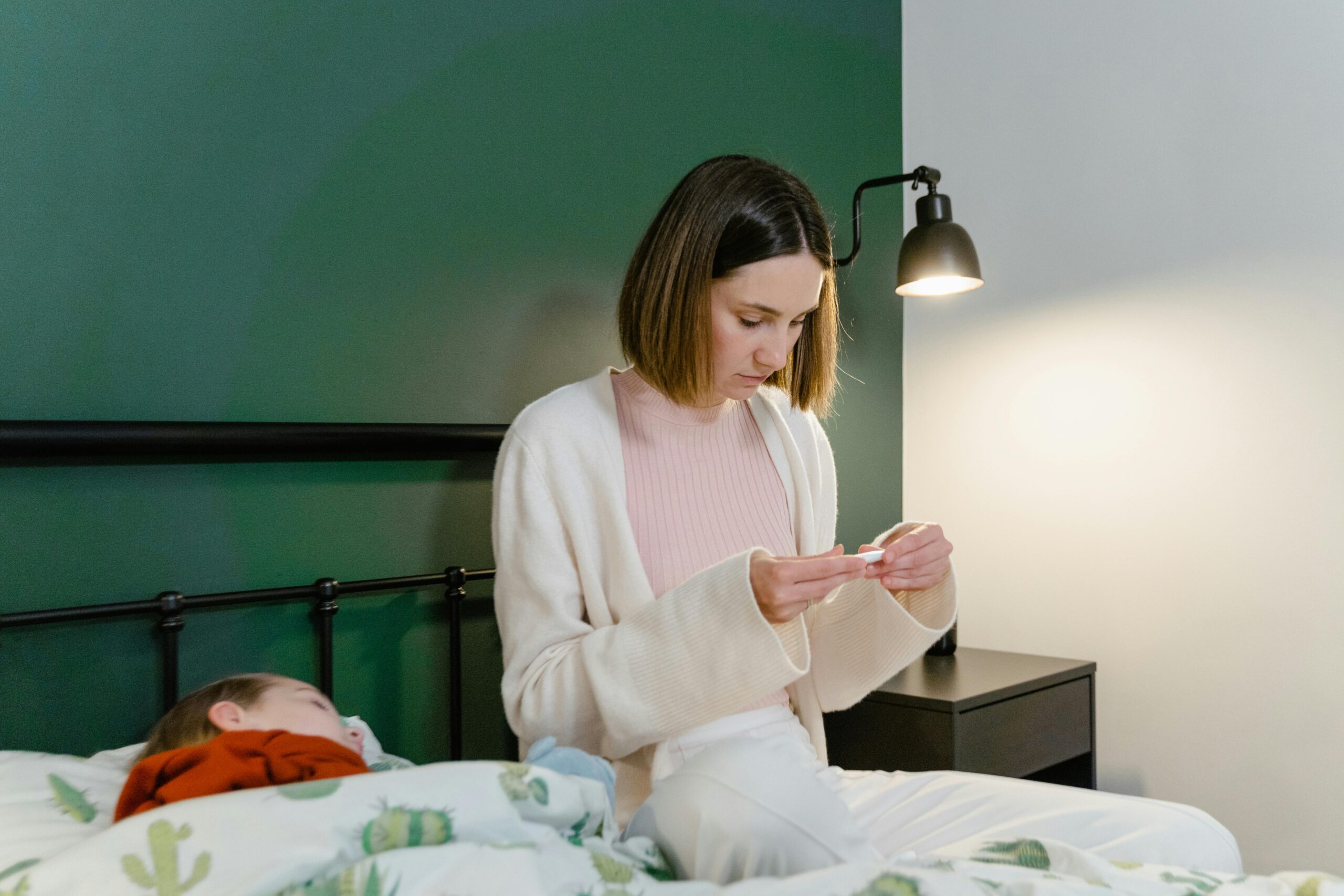
Bedrooms should prioritize warm temperatures exclusively. Main lighting at 2700K creates instant relaxation, while reading lights might push slightly higher to 3000K for reduced eye strain. Avoiding any lighting above 3500K in bedrooms protects sleep quality by minimizing blue light exposure during evening hours.
Technology Tools for Temperature Control 📱
Modern lighting technology has democratized professional-level control previously available only to commercial installations. Smart bulbs, color-tunable fixtures, and sophisticated control systems put precise temperature balancing at your fingertips.
Smart Bulb Solutions
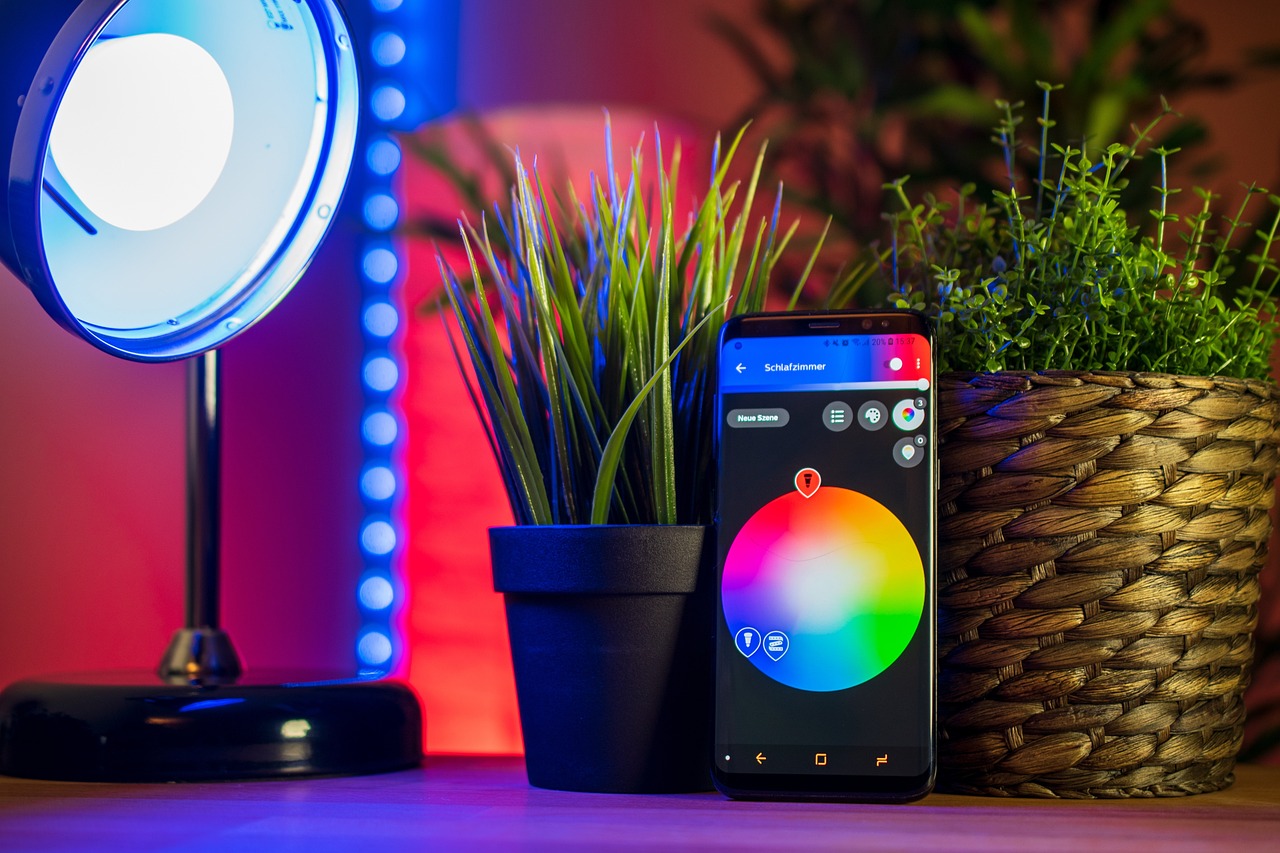
Leading smart bulb manufacturers offer tunable white technology, allowing adjustment from 2200K to 6500K through smartphone apps. These solutions integrate with voice assistants, enabling hands-free adjustments and scene creation based on activities or times of day.
Programming scenes like “Morning Energize” at 5500K, “Afternoon Focus” at 4500K, and “Evening Relax” at 2500K eliminates manual adjustments while ensuring optimal lighting throughout daily routines. Geofencing can trigger automatic adjustments based on your location, preparing your home before arrival.
Dedicated Lighting Control Apps
Professional lighting control applications provide granular adjustment capabilities beyond basic smart bulb functionality. These platforms allow fixture grouping, complex scheduling, and integration with other smart home systems for coordinated environmental control.
Circadian Rhythm Optimization
Advanced systems incorporate circadian rhythm science, automatically adjusting temperature and intensity based on research-backed protocols. These systems consider geographic location, season, and personal preferences to create lighting that actively supports health rather than passively illuminating spaces.
⚡ Common Temperature Balancing Mistakes
Even with good intentions, several common errors undermine temperature balancing efforts. Recognizing these pitfalls helps avoid wasted investment and disappointing results.
Mixing Temperatures Randomly
The fastest way to create visual chaos is mixing dramatically different temperatures within single spaces. A 2700K table lamp next to a 5000K floor lamp creates jarring discord that feels accidental rather than intentional. Keeping sources within 500K of each other maintains cohesion while allowing subtle variation.
Ignoring Natural Light
Artificial lighting must complement rather than compete with natural light. During daytime hours, cooler artificial temperatures blend with daylight more successfully than warm sources that create strange color casts. As daylight fades, transitioning to warmer temperatures feels natural rather than abrupt.
Overlooking Fixture Quality
Cheap LED bulbs claiming specific temperatures often deliver inconsistent results with poor CRI scores. Investing in quality fixtures from reputable manufacturers ensures advertised temperatures match reality and colors render accurately. The slight additional cost pays dividends in satisfaction and longevity.
🎭 Special Applications and Creative Uses
Beyond standard residential applications, temperature balancing unlocks creative possibilities for unique situations and specialized needs.
Photography and Content Creation
Content creators require precise temperature control for consistent results. Setting dedicated spaces with adjustable temperature lighting ensures video calls, photographs, and recorded content maintain professional appearance regardless of natural light conditions. Matching temperature to camera white balance settings eliminates color correction headaches in post-production.
Wellness and Therapeutic Lighting
Emerging research connects specific light temperatures with mood regulation, Seasonal Affective Disorder treatment, and general wellness. Morning light therapy boxes typically emit 10,000 lux at 5000-6500K, while evening relaxation protocols emphasize sub-2700K temperatures with minimal blue spectrum content.
Entertainment and Gaming Environments
Home theaters benefit from warm 2200-2500K ambient lighting that doesn’t compete with screen content. Gaming setups often incorporate dynamic color-changing systems, but maintaining consistent temperature within color changes prevents visual fatigue during extended sessions.
Investment Strategy: Building Your Perfect System 💡
Creating comprehensive temperature-balanced lighting doesn’t require simultaneous whole-home renovation. Strategic phased implementation delivers immediate benefits while building toward complete systems.
Priority Spaces First
Begin with spaces where you spend the most time or where lighting problems are most noticeable. Bedrooms and home offices typically deliver the highest return on investment, immediately impacting sleep quality and work performance.
Infrastructure Considerations
Smart systems require reliable wireless networks and compatible control hubs. Assessing your infrastructure before purchasing bulbs prevents compatibility frustrations. Some systems work independently through Bluetooth, while others require dedicated hubs or integration with existing smart home platforms.
Scalability and Future-Proofing
Selecting systems with robust ecosystems ensures expansion possibilities as needs evolve. Open-standard platforms like Zigbee and Z-Wave offer broader compatibility than proprietary solutions, though leading proprietary systems often provide more polish and reliability.
🌟 Transforming Spaces Through Temperature Mastery
Mastering light temperature balancing represents one of the most impactful yet accessible improvements you can make to any space. The difference between harsh, uncomfortable environments and welcoming, functional spaces often comes down to nothing more than selecting appropriate color temperatures and implementing thoughtful control strategies.
As technology continues advancing, the barrier to entry lowers while capabilities expand. What once required expensive consultants and custom installations now fits within modest budgets through widely available smart lighting products. The democratization of these tools means anyone can achieve professional-level results with research, planning, and thoughtful implementation.
The journey begins with observation. Notice how different spaces make you feel at various times. Pay attention to which rooms you naturally gravitate toward and which you avoid. Often, lighting temperature plays a larger role in these preferences than we consciously recognize. Armed with this awareness and the principles outlined here, you can systematically transform every space into an environment optimized for its intended purpose.
Remember that perfect lighting is deeply personal. While guidelines provide starting points, your preferences, activities, and sensitivities ultimately determine ideal settings. Don’t hesitate to experiment, adjust, and refine until each space feels exactly right. The beauty of modern lighting technology lies in its flexibility—what doesn’t work today can change with a few taps tomorrow.
Whether you’re embarking on new construction, renovating existing spaces, or simply seeking to improve your current environment, light temperature balancing offers immediate, dramatic results. The glow you create shapes not just how spaces look, but how they feel, how they function, and ultimately, how they support your life. Master the glow, and you master the ambiance that transforms houses into homes, offices into productive sanctuaries, and ordinary moments into extraordinary experiences.