In our fast-paced modern world, finding moments of peace has become essential for maintaining mental clarity and emotional balance. Ambient soundscapes offer a powerful gateway to tranquility and enhanced focus.

The constant buzz of notifications, traffic noise, and daily stressors can leave us feeling overwhelmed and disconnected. Yet, there’s a simple, accessible solution that has been helping millions worldwide rediscover their inner calm: the strategic use of ambient soundscapes. These carefully crafted audio environments don’t just mask unwanted noise—they actively transform our mental state, creating spaces where relaxation flourishes and concentration deepens naturally.
🌊 Understanding the Science Behind Ambient Soundscapes
Ambient soundscapes work on a neurological level, influencing our brain waves and triggering physiological responses that promote relaxation. When we listen to consistent, non-threatening sounds from nature or carefully designed audio environments, our nervous system interprets these signals as indicators of safety, allowing our body to shift from the stress-induced sympathetic state to the calming parasympathetic mode.
Research has demonstrated that specific sound frequencies can synchronize with our brain’s natural rhythms. This phenomenon, known as entrainment, helps guide our mental state toward desired outcomes—whether that’s deep relaxation, creative flow, or sustained concentration. Studies published in neuroscience journals have shown that participants exposed to natural soundscapes experienced reduced cortisol levels and improved cognitive performance compared to those in silent or urban noise environments.
The beauty of ambient soundscapes lies in their ability to occupy our auditory attention just enough to prevent intrusive thoughts and external distractions, without demanding the focused listening required by music with lyrics or complex melodies. This sweet spot creates the perfect backdrop for both relaxation and productivity.
✨ Types of Ambient Soundscapes and Their Unique Benefits
Natural Environment Sounds
Nature-based soundscapes remain the most popular choice for relaxation and focus. The gentle patter of rainfall, the rhythmic crashing of ocean waves, or the peaceful chirping of forest birds all carry inherent calming properties. These sounds connect us to our evolutionary past when such environmental cues signaled safety and abundance.
Rain sounds, in particular, have gained tremendous popularity for sleep and study sessions. The consistent white noise quality of rainfall effectively masks sudden ambient noises that might otherwise break concentration or disturb rest. Ocean waves provide a similar benefit with their predictable yet varied rhythmic patterns that many find deeply meditative.
Forest soundscapes offer a richer tapestry of audio elements—rustling leaves, distant bird calls, gentle breezes—that create a sense of being immersed in a peaceful natural setting. This complexity provides mental stimulation without overwhelming the senses, making it ideal for creative work and problem-solving tasks.
White, Pink, and Brown Noise
Beyond natural sounds, engineered noise colors have emerged as powerful tools for focus and relaxation. White noise contains all audible frequencies at equal intensity, creating a “shhhh” sound that effectively masks other noises. It’s particularly beneficial for those who struggle to sleep in variable sound environments or need to block out office chatter.
Pink noise features a more balanced frequency distribution, with lower frequencies slightly more prominent than higher ones. This creates a softer, more natural sound compared to white noise—similar to steady rainfall or wind through trees. Studies suggest pink noise may improve sleep quality and enhance memory consolidation during rest.
Brown noise takes this concept further, emphasizing even lower frequencies to produce a deeper, rumbling quality reminiscent of distant thunder or strong winds. Many people with anxiety or ADHD report that brown noise helps calm racing thoughts more effectively than other sound types.
Atmospheric and Space Sounds
For those seeking something more ethereal, atmospheric soundscapes offer vast, expansive audio environments. These might include the hum of wind across open plains, the subtle echoes of cave environments, or even recordings from space missions capturing the electromagnetic signatures of celestial bodies converted to audible sound.
These unique soundscapes can transport listeners to entirely different mental spaces, making them excellent for meditation, visualization practices, or simply escaping the mundane aspects of daily routine. The unfamiliar nature of these sounds helps break habitual thought patterns and encourages new perspectives.
🎯 Maximizing Focus and Productivity with Soundscapes
When it comes to enhancing focus, not all soundscapes are created equal. The key is finding sounds that provide consistent auditory input without grabbing attention. For deep work sessions requiring sustained concentration, simpler soundscapes typically work best—think steady rain, continuous ocean waves, or neutral brown noise.
Many productivity enthusiasts employ the technique of associating specific soundscapes with particular types of work. By consistently using the same ambient sound for similar tasks, you create a psychological trigger that helps your brain quickly enter the appropriate mental state. This conditioning effect can dramatically reduce the time needed to achieve flow state.
For tasks requiring creativity rather than analytical thinking, slightly more complex soundscapes with varied elements might prove beneficial. The subtle variations in forest sounds or café ambiance can provide just enough stimulation to keep the mind engaged without becoming distracting, facilitating the loose associative thinking that fuels creative breakthroughs.
The Pomodoro Technique Enhanced
Combining ambient soundscapes with time management methods like the Pomodoro Technique creates a powerful productivity system. Starting your soundscape at the beginning of each work interval and stopping it during breaks reinforces temporal boundaries and helps maintain discipline throughout the day.
This approach also prevents the habituation that can occur when soundscapes play continuously for hours. By creating clear sonic boundaries around work periods, you maintain the effectiveness of the soundscape as a focus-enhancing tool.
🧘 Deepening Relaxation and Meditation Practices
While ambient soundscapes enhance productivity, their power for promoting relaxation and supporting meditation practices may be even more profound. The right soundscape can facilitate the transition from the active beta brain wave state to the relaxed alpha state, and eventually to the deeply meditative theta state.
For relaxation purposes, soundscapes with slower, more consistent patterns work exceptionally well. Gentle ocean waves, soft rainfall, or the low hum of Tibetan singing bowls help slow breathing and heart rate naturally. Many practitioners report that these sounds make meditation more accessible, particularly for beginners who struggle with the silence and mental chatter of traditional practice.
Binaural beats represent a specialized category of soundscape designed specifically to influence brain wave patterns. These recordings present slightly different frequencies to each ear, and the brain perceives the mathematical difference as a beat. Different beat frequencies are associated with various mental states—delta waves for deep sleep, theta for meditation, alpha for relaxation, and beta for alertness.
Creating Your Evening Wind-Down Routine
Establishing a consistent evening soundscape routine can dramatically improve sleep quality. Begin playing your chosen sounds 30-60 minutes before bedtime as part of your wind-down ritual. This signals to your body that it’s time to begin releasing melatonin and preparing for rest.
Opt for slower, deeper soundscapes in the evening—low-frequency sounds like distant thunder, deep ocean currents, or brown noise. These lower frequencies naturally promote the delta brain waves associated with deep, restorative sleep. Avoid complex or unpredictable soundscapes that might inadvertently increase alertness.
📱 Choosing the Right Tools and Applications
The growing recognition of ambient soundscapes’ benefits has led to an explosion of apps and platforms designed to deliver these experiences. When selecting a soundscape tool, consider factors like sound quality, variety of available soundscapes, customization options, and whether offline playback is available.
High-quality audio is essential—poorly recorded or compressed sounds can actually increase stress rather than reduce it. Look for apps that offer high-fidelity recordings and seamless looping to prevent jarring transitions when sounds repeat.
Many dedicated applications allow you to layer multiple sounds, creating personalized soundscapes tailored to your preferences. You might combine rainfall with distant thunder, or ocean waves with seagull calls, adjusting the volume of each element independently to find your perfect balance.
Beyond standalone applications, streaming platforms and YouTube channels offer extensive libraries of ambient soundscapes, often featuring extended recordings of 8-12 hours for overnight use. Smart speakers and voice assistants have also integrated ambient sound capabilities, allowing voice-activated control of your sound environment.
🏡 Creating Optimal Sound Environments in Different Spaces
The effectiveness of ambient soundscapes isn’t just about the sounds themselves—it’s also about how you integrate them into your physical environment. In home offices, playing soundscapes through quality speakers creates an immersive experience that helps define the space as dedicated to focused work, separating it psychologically from recreational areas.
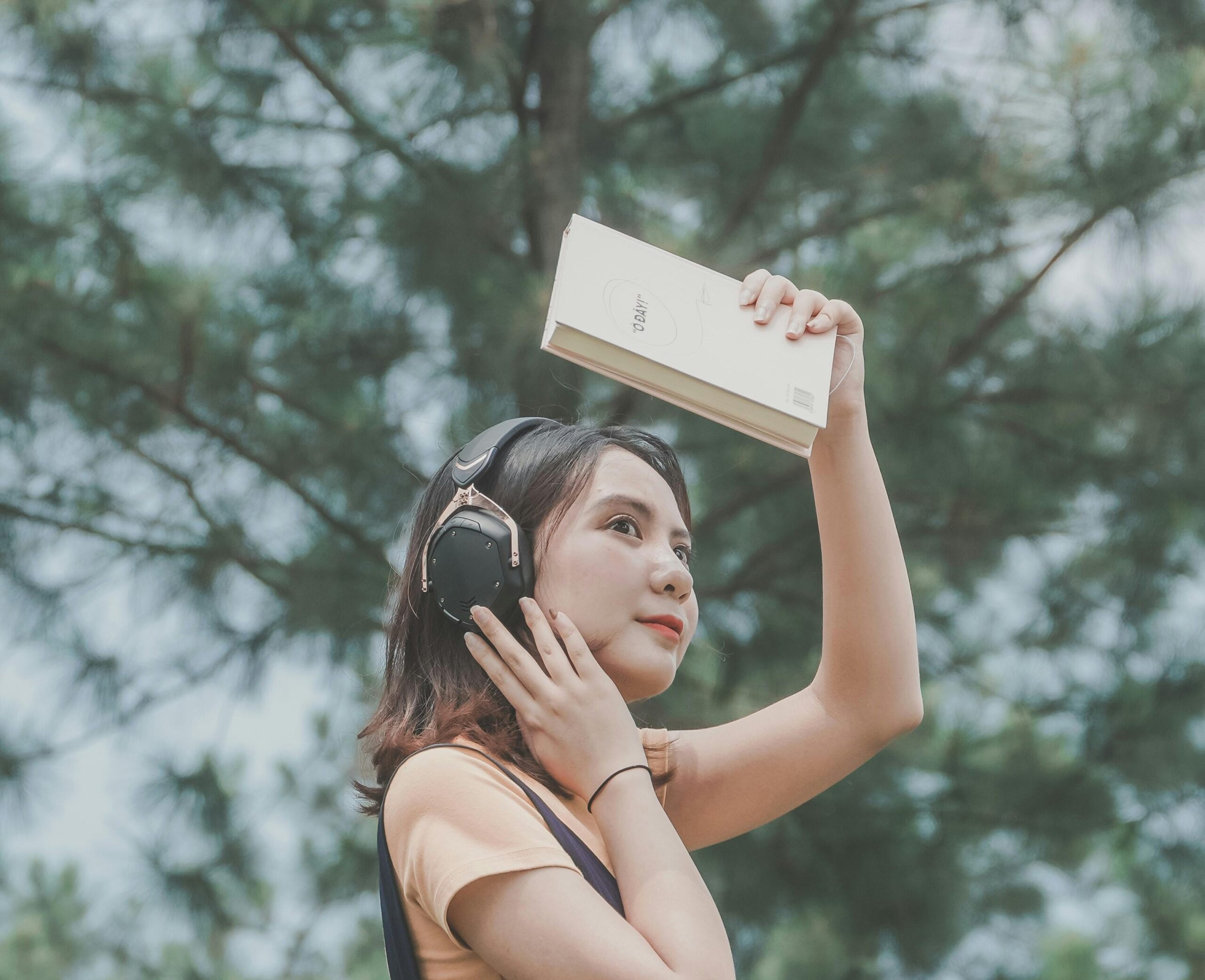
For shared spaces, headphones become essential tools for creating personal sound bubbles. Noise-canceling headphones paired with ambient soundscapes provide maximum isolation from distracting environmental noise, though some people find over-ear models more comfortable for extended use than in-ear options.
In bedrooms, consider using speakers rather than headphones to avoid discomfort during sleep. Smart speakers with sleep timers can fade out soundscapes automatically after you’ve fallen asleep, or continue playing throughout the night if you prefer constant sound to mask intermittent noises.
Volume Considerations
Proper volume levels are crucial for maximizing benefits while protecting hearing health. Soundscapes should be played at levels that mask distracting noises without overwhelming conversation or requiring you to raise your voice. As a general rule, if you can’t hear someone speaking at normal volume from across the room, your soundscape is too loud.
For sleep applications, start with a comfortable volume that helps you drift off, but consider whether you want the sound to continue at the same level all night. Some people prefer sounds that fade gradually, while others find consistent volume throughout the night helps them return to sleep quickly after brief awakenings.
🌟 Personalizing Your Soundscape Experience
Individual responses to different soundscapes vary significantly based on personal history, sensory processing differences, and current mental state. What one person finds deeply relaxing might leave another feeling agitated or bored. The key is experimenting with different options to discover what resonates with your unique neurology.
Keep a simple log of which soundscapes you use and how they affect your focus, mood, and sleep quality. Over time, patterns will emerge that help you select the optimal sound environment for different activities and times of day.
Don’t feel bound by conventional choices—if you find that café ambiance helps you focus better than nature sounds, embrace that preference. Some people discover unexpected soundscapes that work beautifully for them, like the rhythmic sounds of trains, gentle machinery hum, or even the ambient noise of a library.
Seasonal and Circumstantial Adjustments
Your ideal soundscape may change with seasons, stress levels, and life circumstances. During periods of high anxiety, you might need simpler, more predictable sounds than usual. In creative phases, you might gravitate toward more complex, varied soundscapes that stimulate without overwhelming.
Weather can also influence preferences—on hot summer days, ocean waves and flowing water might feel more appealing, while cozy fireplace sounds resonate during winter months. Allowing your soundscape choices to evolve with your circumstances keeps the practice fresh and effective.
💡 Integrating Soundscapes Into Daily Life
The true power of ambient soundscapes emerges when they become seamlessly integrated into daily routines rather than remaining an occasional tool. Morning rituals might include gentle nature sounds during breakfast or getting ready, creating a calm foundation for the day ahead.
During commutes, whether driving or using public transportation, curated soundscapes can transform stressful travel time into opportunities for mental preparation or decompression. Instead of arriving at work already frazzled, you arrive centered and ready to engage productively.
Workplace integration requires consideration of your environment. If you work from home, soundscapes can help establish boundaries between work and personal time. In traditional offices, they become essential for maintaining focus in open-plan environments where auditory distractions abound.
Social Considerations
When living with others, communicating about your soundscape practice helps prevent conflicts. Some people find continuous ambient sounds playing through speakers annoying, while others may appreciate the calming effect. Finding compromise—perhaps using speakers in private spaces and headphones in shared areas—ensures everyone’s needs are respected.
For parents, introducing children to ambient soundscapes early can help them develop healthy sleep habits and concentration skills. Many families use consistent bedtime soundscapes as part of sleep routines, creating positive associations that serve children well throughout life.
🔄 Avoiding Common Pitfalls
While ambient soundscapes offer tremendous benefits, certain mistakes can undermine their effectiveness. Excessive volume represents the most common error, potentially causing hearing damage over time while also preventing the subtle, non-intrusive quality that makes soundscapes effective.
Another pitfall is relying too heavily on soundscapes as a crutch rather than addressing underlying issues. If you find you absolutely cannot focus or relax without specific sounds, it may be worth exploring whether anxiety, ADHD, or other conditions require professional attention.
Constantly switching between different soundscapes prevents the conditioning effect that makes them more powerful over time. While variety has its place, establishing core soundscapes for specific activities—one for focused work, one for relaxation, one for sleep—creates stronger associations and faster state transitions.
Finally, avoid the trap of perfectionism. You don’t need expensive equipment or rare soundscape recordings to experience benefits. Simple rain sounds played through basic speakers or standard headphones work wonderfully for most people. The consistency of practice matters far more than the sophistication of your setup.
🎨 The Future of Ambient Soundscape Technology
As awareness of ambient soundscapes’ benefits grows, technology continues evolving to deliver increasingly sophisticated experiences. Spatial audio technology now creates three-dimensional sound environments that more accurately replicate natural acoustic spaces, enhancing immersion and effectiveness.
Artificial intelligence is beginning to generate personalized soundscapes adapted in real-time to physiological signals like heart rate and movement. These adaptive systems could automatically adjust sound characteristics to maintain optimal states for current activities, seamlessly supporting transitions from focus to relaxation throughout the day.
Integration with smart home ecosystems promises automated sound environments that respond to time of day, calendar events, and detected activity patterns. Imagine soundscapes that automatically begin when you sit at your desk, shift to relaxation modes in evening hours, and transition to sleep-optimized sounds at bedtime—all without manual intervention.
Virtual reality platforms are also incorporating ambient soundscapes into immersive relaxation experiences, combining visual and auditory elements for profound stress relief. These multisensory approaches may offer even more powerful benefits than audio alone, though the simplicity and accessibility of traditional soundscapes will likely ensure their continued popularity.
🌈 Embracing the Journey Toward Tranquility
The path to discovering how ambient soundscapes can transform your daily experience requires patience and experimentation. Start simply—choose one soundscape that appeals to you intuitively and commit to using it consistently for one specific purpose over the next week. Notice how it affects your mental state, productivity, or sleep quality.
As you become more attuned to how different sounds influence your consciousness, you can gradually expand your practice, incorporating soundscapes into additional aspects of life. This mindful approach prevents overwhelm while allowing you to build a personalized toolkit of audio environments that support your wellbeing.
Remember that ambient soundscapes represent just one element of comprehensive self-care. They work synergistically with other practices like proper sleep hygiene, regular exercise, mindfulness meditation, and healthy social connections. When integrated thoughtfully into a balanced lifestyle, they become powerful allies in navigating modern life’s challenges while maintaining inner peace and sustained focus.
The invitation is simple: give yourself permission to pause, to breathe, and to immerse yourself in tranquility. Whether through the gentle patter of rain, the rhythmic pulse of ocean waves, or the soft hum of carefully engineered noise, ambient soundscapes offer a readily accessible gateway to the calm, focused, and balanced state we all deserve to experience regularly.