Step into a realm where light transcends its traditional boundaries, transforming ordinary spaces into extraordinary experiences that captivate the senses and spark wonder.

Immersive light installations have emerged as one of the most compelling forms of contemporary art, reshaping how we perceive and interact with our surroundings. These luminous creations blend technology, artistry, and spatial design to craft environments that transport visitors beyond the mundane into realms of pure imagination. From museums and galleries to public spaces and commercial venues, light installations are redefining the boundaries between art and audience, creating participatory experiences that leave lasting impressions on all who encounter them.
✨ The Evolution of Light as an Artistic Medium
The journey of light as an artistic medium stretches back further than many realize. While contemporary immersive installations represent the cutting edge of this art form, artists have long been fascinated by light’s transformative properties. Early pioneers like Dan Flavin experimented with fluorescent tubes in the 1960s, while James Turrell began his exploration of light and space that continues to mesmerize audiences today.
What distinguishes modern immersive light installations from their predecessors is the integration of advanced technology. LED systems, projection mapping, interactive sensors, and sophisticated programming have expanded the possibilities exponentially. Artists can now create dynamic, responsive environments that adapt to viewer movement, sound, or even biometric data, establishing a dialogue between the installation and its audience that was previously impossible.
🎨 The Architecture of Illuminated Experience
Creating an immersive light installation requires more than artistic vision—it demands technical expertise, spatial understanding, and psychological insight. Artists must consider how light behaves in three-dimensional space, how colors interact and influence mood, and how viewers will physically and emotionally respond to the environment they’ve crafted.
The most successful installations transform architectural spaces completely. They can make small rooms feel expansive or create intimate pockets within vast halls. Through careful manipulation of intensity, color temperature, and movement, light artists guide visitors through carefully choreographed experiences that unfold over time.
Key Elements of Effective Light Installations
- Spatial Awareness: Understanding how light interacts with walls, floors, ceilings, and architectural features to maximize impact
- Color Psychology: Utilizing specific hues and combinations to evoke desired emotional responses and create atmospheric depth
- Temporal Dynamics: Programming light sequences that evolve, creating narrative arcs and maintaining visitor engagement
- Interactive Elements: Incorporating sensors and responsive technology that allow viewers to influence the installation
- Sound Integration: Pairing visual elements with audio components for multi-sensory immersion
- Accessibility Considerations: Ensuring experiences accommodate diverse audiences while maintaining artistic integrity
🌟 Pioneering Artists Shaping the Light Installation Landscape
The contemporary light installation movement boasts numerous visionary artists whose work has defined and expanded the medium. TeamLab, a Japanese art collective, has gained international recognition for their sprawling digital installations that blur boundaries between art, technology, and nature. Their work often features cascading digital waterfalls, blooming flowers that respond to touch, and entire forests of light that create otherworldly environments.
Olafur Eliasson brings a more contemplative approach, creating installations that explore natural phenomena through artificial means. His iconic “The Weather Project” at Tate Modern’s Turbine Hall used mist and a massive semi-circular light to simulate a sun, transforming the industrial space into a meditative sanctuary that attracted millions of visitors.
Studio Drift, a Dutch artist duo, combines light with kinetic sculptures, creating installations where hundreds of LED-embedded blocks move in choreographed patterns that mimic natural phenomena like bird murmurations or firefly swarms. Their work demonstrates how light installations can incorporate movement to enhance the sense of life and dynamism.
💡 Technology Driving Innovation in Light Art
The technological landscape supporting immersive light installations continues to evolve at a remarkable pace. Modern installations leverage an impressive array of tools and techniques that would have been inconceivable just decades ago.
LED technology has revolutionized the field by offering energy-efficient, programmable light sources available in virtually any color imaginable. Unlike traditional lighting, LEDs can change instantly, allowing for complex color sequences and rapid transitions that create dynamic, living environments.
Projection mapping has opened entirely new dimensions for light artists. This technique allows images and animations to be precisely projected onto irregular surfaces, transforming buildings, sculptures, or natural features into canvases for moving light artworks. The technology uses 3D modeling to map every contour of a surface, ensuring projections align perfectly with physical forms.
Emerging Technologies Shaping the Future
Artificial intelligence and machine learning are beginning to influence how light installations operate. AI algorithms can analyze visitor behavior patterns and adjust installations in real-time, creating truly adaptive environments that evolve based on audience interaction. This technology promises installations that become more responsive and personalized with each visitor.
Augmented reality is another frontier being explored by forward-thinking artists. By viewing installations through smartphones or AR glasses, visitors can access additional layers of content, transforming physical light installations into multi-dimensional experiences that blend the real and virtual.
🏛️ Iconic Immersive Light Installations Around the World
Certain installations have achieved iconic status, becoming destinations in their own right and inspiring countless visitors and artists. These landmark works demonstrate the full potential of light as a transformative artistic medium.
The Infinity Mirror Rooms by Yayoi Kusama have become cultural phenomena, with visitors waiting hours for brief encounters with spaces filled with endless reflections of LED lights. These compact installations create the illusion of infinite space, immersing viewers in seemingly boundless environments of color and light.
Amos Rex Museum in Helsinki features an installation by TeamLab that transforms underground galleries into fantastical digital landscapes where seasons change, flowers bloom and wither, and butterflies respond to visitor presence. The installation demonstrates how light can create narrative experiences that unfold over time.
ARTECHOUSE, with locations in multiple cities, specializes in large-scale immersive digital art experiences. Their installations combine projection mapping, spatial audio, and interactive elements to create environments where visitors become part of the artwork, their movements influencing the visual landscape around them.
🎭 The Psychological Impact of Light Immersion
Beyond aesthetic pleasure, immersive light installations can profoundly affect psychological states and emotional wellbeing. Research into the effects of color therapy and environmental psychology informs many artists’ approaches to their work.
Certain color temperatures and intensities can influence mood, energy levels, and even cognitive function. Cool blues and greens often create calming effects, while warm oranges and reds can energize and stimulate. By carefully orchestrating color sequences, artists can guide visitors through emotional journeys, from contemplation to exhilaration.
The sense of awe generated by well-executed light installations has measurable benefits. Studies suggest that experiences of awe can reduce stress, increase feelings of connectedness, and promote prosocial behavior. In our increasingly digital and isolated world, these shared experiences of wonder serve important social and psychological functions.
🌐 Light Installations in Commercial and Public Spaces
The appeal of immersive light installations extends well beyond gallery walls. Forward-thinking businesses, municipalities, and developers increasingly incorporate these artworks into commercial and public spaces, recognizing their power to attract visitors and create memorable experiences.
Shopping centers and retail environments use light installations to differentiate themselves and create destination experiences that transcend traditional commerce. These installations transform shopping from a transactional activity into an experiential one, encouraging longer visits and creating shareable moments for social media.
Cities worldwide have embraced light festivals that transform urban landscapes into temporary galleries of illuminated art. Events like Vivid Sydney, Amsterdam Light Festival, and Lyon’s Festival of Lights attract millions of visitors, demonstrating the broad appeal of light art while boosting tourism and urban vitality.
Benefits for Urban Environments
- Placemaking: Creating distinctive identities for neighborhoods and districts through signature light installations
- Safety Enhancement: Artistic lighting improving perceived and actual safety in public spaces
- Economic Impact: Attracting tourists and stimulating local economies through light art destinations
- Community Engagement: Providing free cultural experiences accessible to diverse populations
- Architectural Celebration: Highlighting and recontextualizing existing structures through illumination
🛠️ Creating Your Own Light Installation Experience
While large-scale institutional installations require significant resources, the principles of immersive light art can be applied at more modest scales. Artists, designers, and even enthusiasts can experiment with transforming spaces through creative lighting approaches.
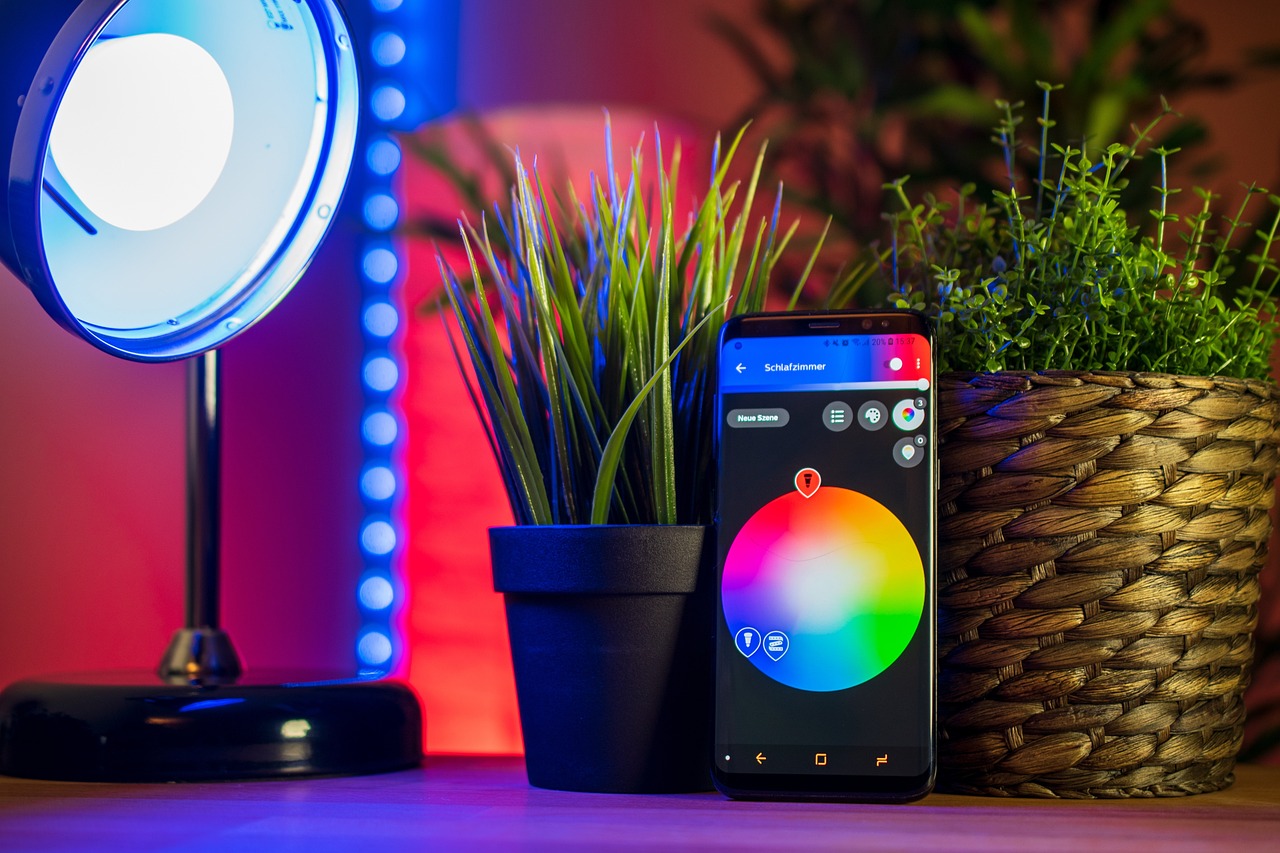
Starting with basic programmable LED strips, projection equipment, or even smart home lighting systems, creators can explore how light transforms space. Simple experiments with color, intensity, and movement can yield surprising results, revealing how even small-scale interventions can dramatically alter environmental perception.
For those interested in developing technical skills, numerous software platforms support light programming and control. TouchDesigner, MadMapper, and Resolume are industry-standard tools that offer varying levels of complexity, from beginner-friendly interfaces to advanced programming capabilities for complex installations.
📱 Documenting and Sharing Light Installation Experiences
The visual drama of immersive light installations makes them inherently photogenic, and social media has played a significant role in popularizing this art form. Instagram, TikTok, and other platforms overflow with images and videos of people experiencing light installations, creating viral marketing that benefits both artists and venues.
However, photographing and filming light installations presents unique challenges. Capturing the full impact of three-dimensional, dynamic environments in two-dimensional media requires technical skill and artistic sensitivity. Understanding camera settings for low-light environments, composition principles for immersive spaces, and video techniques that convey movement and transformation helps document these experiences effectively.
🌈 The Future of Immersive Light Installations
As technology continues advancing and artists push creative boundaries, the future of immersive light installations promises even more remarkable experiences. Several trends suggest where the medium might evolve in coming years.
Sustainability is becoming increasingly important, with artists exploring solar-powered installations, energy-efficient designs, and temporary works that leave minimal environmental footprints. The tension between the energy demands of light art and environmental responsibility drives innovation in renewable power integration and efficient lighting technologies.
Personalization through data and AI could enable installations that adapt to individual viewers, creating unique experiences based on preferences, emotional states, or even physiological responses detected through wearable devices. This raises fascinating questions about the nature of shared artistic experiences versus individualized ones.
The integration of virtual and augmented reality with physical light installations will likely expand, creating hybrid experiences that layer digital content onto illuminated environments. These multi-dimensional artworks could offer different experiences depending on how they’re viewed—with naked eyes, through smartphones, or via specialized viewing devices.
🎪 Accessibility and Inclusivity in Light Art
As the field matures, conversations around accessibility and inclusivity have become increasingly important. Artists and venues are considering how to make immersive light installations welcoming and meaningful for people with diverse abilities, backgrounds, and needs.
For visitors with visual impairments, installations might incorporate tactile elements, spatial audio cues, or descriptive programming that communicates the artistic vision through non-visual means. Those with mobility challenges benefit from thoughtful spatial design that ensures all areas remain accessible without compromising the artistic integrity of the work.
Sensory considerations are crucial, particularly for individuals with autism or sensory processing differences. Some installations offer quiet hours with reduced intensity, or provide advance information about light effects, sounds, and crowding to help visitors prepare for the experience.
🌠 The Transformative Power of Light
Immersive light installations represent more than artistic innovation—they offer portals to alternate realities, spaces where imagination reigns and everyday concerns fade away. In an era characterized by digital saturation and screen fatigue, these physical experiences of beauty and wonder fulfill profound human needs for connection, awe, and transcendence.
The best light installations don’t simply illuminate spaces—they transform them into environments that challenge perceptions, evoke emotions, and create lasting memories. They remind us that our relationship with light is primal and profound, reaching back to humanity’s earliest experiences of fire, sunrise, and stars.
As artists continue exploring light’s possibilities and technology expands creative options, we can anticipate increasingly sophisticated and moving installations that push the boundaries of what’s possible. These luminous creations will continue inspiring wonder, fostering connection, and demonstrating art’s power to transform not just spaces, but also the people who experience them.
Whether encountered in major museums, public squares, or intimate gallery spaces, immersive light installations invite us to see differently, feel deeply, and imagine boldly. They prove that in the right hands, light becomes more than illumination—it becomes a language capable of expressing the inexpressible and revealing the invisible dimensions of human experience that words alone cannot capture.