Staring at screens for hours is draining your eyes and sabotaging your sleep quality. The blue light emitted from digital devices disrupts your natural circadian rhythm, leading to eye fatigue, headaches, and restless nights.

Modern life demands constant screen interaction, whether for work, entertainment, or staying connected. However, this digital dependency comes with a hidden cost that affects millions worldwide. Understanding how blue light impacts your health is the first step toward reclaiming comfortable vision and restorative sleep.
🔵 The Science Behind Blue Light and Its Impact on Your Body
Blue light occupies a specific wavelength range in the visible light spectrum, typically between 380 and 500 nanometers. While sunlight naturally contains blue light that helps regulate your wake-sleep cycle, artificial blue light from screens poses different challenges due to prolonged exposure at close distances.
Your eyes lack sufficient natural filtering mechanisms to block blue light effectively. Unlike UV rays, which the cornea and lens mostly absorb, blue light penetrates directly to the retina. This deep penetration triggers photoreceptor cells, particularly melanopsin-containing ganglion cells that signal your brain about environmental light conditions.
These signals influence melatonin production, the hormone responsible for sleep regulation. When blue light exposure occurs during evening hours, your brain interprets it as daylight, suppressing melatonin release and delaying sleep onset. Research indicates that just two hours of screen time before bed can significantly reduce melatonin levels.
⚠️ Recognizing the Warning Signs of Digital Eye Strain
Digital eye strain, clinically known as computer vision syndrome, manifests through various symptoms that many people dismiss as normal fatigue. Recognizing these warning signs helps you take preventive action before symptoms worsen.
Common indicators include persistent eye dryness, blurred vision that improves after looking away from screens, recurring headaches concentrated around the temples or forehead, and difficulty focusing when shifting between distances. You might also experience increased light sensitivity or notice that your eyes feel tired even after minimal screen time.
Physical Symptoms Beyond the Eyes
The effects extend beyond ocular discomfort. Neck and shoulder tension frequently accompanies prolonged screen use due to poor posture and static positioning. Some individuals report difficulty concentrating, irritability, and reduced productivity as their visual system becomes overwhelmed.
Sleep disturbances represent another critical symptom category. If you find yourself lying awake despite feeling exhausted, experiencing lighter sleep quality, or waking unrefreshed, blue light exposure may be disrupting your sleep architecture.
💡 Game-Changing Strategies to Reduce Blue Light Exposure
Implementing effective blue light reduction strategies doesn’t require drastic lifestyle changes. Small, consistent adjustments compound into significant improvements in eye comfort and sleep quality.
Optimize Your Device Settings
Modern smartphones, tablets, and computers include built-in features designed to minimize blue light emission. Night mode, night shift, or blue light filter settings shift your screen’s color temperature toward warmer tones, reducing blue wavelength output.
Activate these features automatically during evening hours, typically starting 2-3 hours before your intended bedtime. Set the intensity to a comfortable level—aggressive filtering may cause color distortion that strains your eyes differently, while minimal filtering provides insufficient protection.
Brightness adjustment matters equally. Screens significantly brighter than ambient lighting force your eyes to work harder, accelerating fatigue. Match your screen brightness to your environment, reducing intensity in dim conditions and increasing it in well-lit spaces.
The 20-20-20 Rule: Your Eyes’ Best Friend
This evidence-based technique combats eye strain through regular breaks. Every 20 minutes, shift your focus to an object at least 20 feet away for 20 seconds minimum. This simple practice relaxes the ciliary muscles responsible for focusing, preventing the fatigue that builds from sustained near-vision work.
Set recurring reminders on your phone or use productivity apps that prompt break intervals. During these micro-breaks, combine distance viewing with gentle eye movements—look left, right, up, and down—to promote circulation and reduce stiffness.
Strategic Screen Positioning
Ergonomic screen placement significantly influences eye comfort. Position your primary display approximately arm’s length away, with the top of the screen at or slightly below eye level. This arrangement minimizes neck strain while maintaining optimal viewing distance.
Angle your screen to reduce glare from overhead lighting or windows. Glare forces your eyes to work harder to distinguish screen content, accelerating fatigue. Consider using an anti-glare screen protector if environmental lighting proves difficult to control.
🌙 Evening Routines That Promote Better Sleep
Your pre-sleep routine directly impacts how quickly you fall asleep and your overall sleep quality. Establishing blue-light-conscious habits during evening hours helps restore natural melatonin production.
Create a Digital Sunset
Designate a specific time—ideally 1-2 hours before bed—when you reduce screen interaction. Use this transition period for activities that don’t require digital devices: reading physical books, gentle stretching, meditation, or conversation with household members.
If work or circumstances require evening screen time, prioritize devices in this order: smartphones emit the most concentrated blue light due to close viewing distance, followed by tablets, then computers, with televisions presenting the least concern due to greater viewing distance.
Lighting Considerations for Your Environment
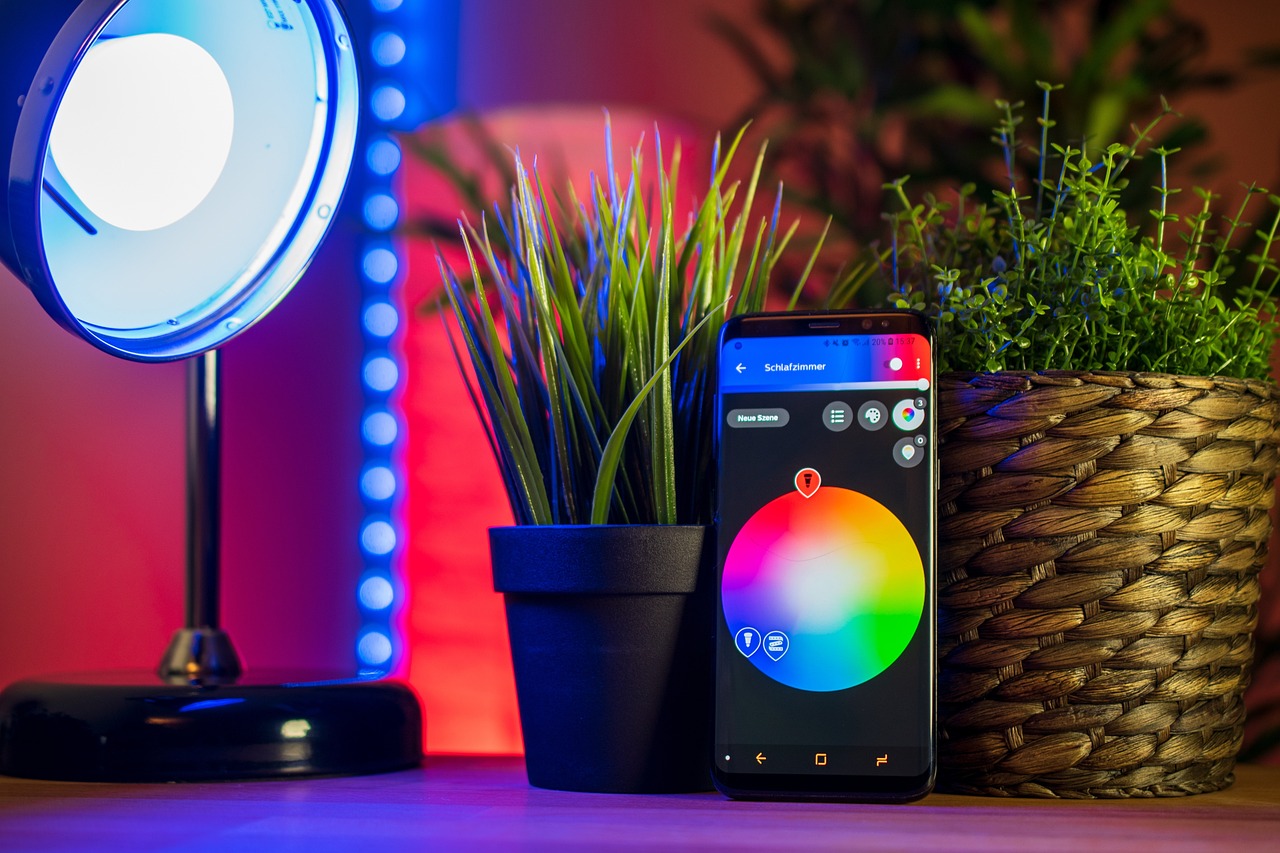
Evening lighting choices influence your circadian rhythm preparation. Transition from bright, cool-toned lighting to warmer, dimmer options as bedtime approaches. Consider installing dimmer switches or using smart bulbs that adjust color temperature automatically.
Red-spectrum lighting has minimal impact on melatonin production, making it ideal for nighttime activities. Small red nightlights provide sufficient visibility for navigation without signaling daytime to your brain.
🛡️ Blue Light Blocking Solutions: What Actually Works
Various products claim to protect against blue light exposure, but effectiveness varies significantly. Understanding which solutions deliver genuine benefits helps you invest wisely.
Blue Light Blocking Glasses
These specialized eyewear options filter blue wavelengths before reaching your eyes. Quality matters considerably—effective glasses block 50-90% of blue light in the critical 400-450nm range while maintaining color perception for daytime use.
Amber or orange-tinted lenses provide maximum blue light blocking but significantly alter color appearance, making them more suitable for evening use. Clear or slightly yellow-tinted options offer moderate protection with minimal color distortion, appropriate for all-day wear.
Look for glasses with verified specifications listing their blue light filtering percentage and wavelength range. Avoid purely cosmetic “blue light glasses” that provide negligible protection despite marketing claims.
Screen Protectors and Filters
Physical screen filters attach directly to devices, filtering blue light at the source. These accessories work independently of device settings, providing consistent protection regardless of software configurations.
Quality screen protectors maintain display clarity while reducing blue light transmission by 30-60%. They represent a set-it-and-forget-it solution, particularly useful for shared devices or situations where software filters prove impractical.
📱 Software Solutions and App-Based Protection
Specialized applications offer more sophisticated blue light management than built-in device features. These tools provide granular control over color temperature, scheduling, and intensity adjustments.
Advanced blue light filter apps automatically adjust based on time, location, or ambient light conditions. Many include features like dimming below system minimums, applying filters over notifications and system interfaces, and providing usage statistics that reveal your screen time patterns.
Desktop solutions like f.lux have pioneered automatic color temperature adjustment based on geographical location and time of day. These programs gradually shift your display’s color profile, creating imperceptible transitions that prevent the jarring effect of sudden changes.
🏃 Lifestyle Modifications That Complement Screen Protection
Technology-based solutions work best when combined with healthy habits that support eye health and circadian rhythm regulation.
Increase Daytime Natural Light Exposure
Morning sunlight exposure reinforces your natural circadian rhythm, making it easier for your body to distinguish between wake and sleep periods. Spend 15-30 minutes outdoors within two hours of waking, preferably without sunglasses to allow light to reach your eyes.
This morning light exposure anchors your internal clock, improving both alertness during the day and sleepiness at night. Even cloudy days provide sufficient light intensity to produce beneficial effects.
Hydration and Eye Moisture
Screen focus reduces blink frequency by 50-60%, causing tear film evaporation and eye dryness. Conscious efforts to blink completely and regularly help maintain eye surface moisture. Keep water nearby and maintain adequate hydration throughout the day.
Consider using preservative-free artificial tears if you experience persistent dryness. Position a small humidifier near your workspace if environmental conditions are particularly dry.
Nutrition for Eye Health
Certain nutrients support retinal health and may provide protective benefits against blue light damage. Lutein and zeaxanthin, found in leafy greens, act as natural blue light filters within the eye. Omega-3 fatty acids support tear production and reduce inflammation.
While supplements can’t replace comprehensive eye protection strategies, maintaining adequate nutrition supports your visual system’s resilience against digital strain.
🎯 Building Your Personalized Blue Light Protection Plan
Effective blue light management requires a multi-layered approach tailored to your specific lifestyle, work requirements, and sensitivity levels. Creating a personalized plan ensures sustainable implementation.
Start by auditing your current screen habits. Track when, where, and how long you use various devices throughout the day. Identify your highest-exposure periods and situations where reduction proves most feasible.
Implement changes gradually, focusing first on evening screen time since pre-sleep exposure most significantly impacts sleep quality. Once evening habits stabilize, address daytime practices that contribute to eye strain.
Setting Realistic Expectations
Improvement timelines vary individually. Most people notice reduced eye strain within days of implementing basic strategies, while sleep improvements may require 1-2 weeks as your circadian rhythm recalibrates. Consistent application produces better results than perfect but unsustainable efforts.
Monitor your progress subjectively—noting changes in how your eyes feel, sleep quality, and daytime alertness—rather than focusing solely on reducing screen time metrics. The goal is healthier screen interaction, not complete digital elimination.
🔬 Emerging Research and Future Developments
Scientific understanding of blue light’s biological effects continues evolving. Recent studies examine not just total blue light exposure, but timing, intensity, and individual susceptibility variations that influence impact severity.
Research into adaptive display technologies promises screens that automatically adjust based on ambient light conditions, viewing distance, and time of day. Some manufacturers are developing displays with inherently reduced blue light emission through modified LED configurations.
Pharmaceutical approaches, including eye drops that may enhance natural blue light filtering or protect photoreceptor cells, represent another research frontier. While not yet widely available, these developments may complement behavioral and technological interventions.
💪 Taking Action: Your Starting Point for Healthier Screen Time
Knowledge without implementation provides no benefit. Begin your blue light reduction journey today with these immediate actions that require minimal effort but deliver meaningful results.
First, activate your devices’ built-in blue light filters right now. Schedule them to begin 2-3 hours before your typical bedtime. Second, adjust your primary screen’s position and brightness according to ergonomic guidelines discussed earlier. Third, set a recurring 20-minute reminder to practice the 20-20-20 rule.
These three steps take under ten minutes to implement but establish the foundation for comprehensive eye health and sleep improvement. As these habits become automatic, gradually layer additional strategies based on your needs and circumstances.
Remember that protecting your eyes and improving sleep quality represents an investment in long-term wellbeing. Digital devices will remain integral to modern life, but suffering eye strain and poor sleep are not inevitable consequences. With informed strategies and consistent application, you can enjoy healthy screen time without sacrificing comfort or rest.
Your eyes and body will thank you for prioritizing these simple yet transformative adjustments. Start small, stay consistent, and watch as reduced eye strain and deeper sleep become your new normal. The digital world awaits—now you’re equipped to navigate it healthily. ✨