Light has always held a magical power over humanity, but when it dances in rhythmic patterns, it creates something truly extraordinary. These mesmerizing movements captivate our senses, spark our imagination, and connect us to deeper emotional experiences that transcend ordinary visual perception.

From ancient firelight ceremonies to modern LED spectacles, the phenomenon of dancing light patterns has evolved dramatically. Today, we find ourselves surrounded by luminous choreography that ranges from natural phenomena like the aurora borealis to sophisticated digital installations that transform urban landscapes into breathing canvases of illumination.
🌊 The Science Behind Light’s Rhythmic Dance
Understanding why rhythmic light patterns affect us so profoundly requires exploring both physics and psychology. Light waves themselves are inherently rhythmic, oscillating at specific frequencies that determine their color, intensity, and energy. When these waves are manipulated intentionally, they create patterns that our brains interpret as movement, rhythm, and even emotion.
The human eye processes light information through specialized cells called photoreceptors, which respond differently to various wavelengths and intensities. When light patterns change rhythmically, these receptors send signals to our brain at varying rates, creating a visual experience that feels dynamic and alive. This biological response explains why we find certain light patterns mesmerizing while others might feel jarring or uncomfortable.
Research in neuroscience has revealed that rhythmic visual stimuli activate multiple areas of the brain simultaneously, including regions associated with motion detection, pattern recognition, and emotional processing. This multi-sensory activation creates a holistic experience that engages us on levels beyond simple visual observation.
✨ Natural Phenomena: Nature’s Light Choreography
Nature has been the original master of dancing light patterns, creating spectacular displays that have inspired humans throughout history. The aurora borealis and aurora australis represent perhaps the most famous examples, where charged particles from the solar wind interact with Earth’s magnetic field to produce curtains of shimmering, undulating light across polar skies.
Ocean bioluminescence offers another breathtaking example of natural rhythmic light. Tiny organisms called dinoflagellates emit blue-green light when disturbed by movement, creating waves of illumination that dance across the water’s surface. This phenomenon transforms ordinary waves into glowing, pulsating patterns that seem almost otherworldly in their beauty.
Even simpler natural occurrences like sunlight filtering through moving leaves or reflecting off rippling water create hypnotic patterns that have captivated artists and observers for millennia. These organic light dances follow no predetermined choreography yet maintain a rhythmic quality that feels both random and purposeful.
The Physics of Natural Light Patterns
What makes natural light patterns particularly compelling is their mathematical foundation. Phenomena like wave interference, refraction, and diffraction create patterns that often follow mathematical principles such as Fibonacci sequences and fractal geometry. This underlying structure gives natural light displays a sense of harmony that resonates with our innate appreciation for mathematical beauty.
🎨 Artistic Expression Through Rhythmic Illumination
Artists have long recognized the powerful potential of dancing light as a medium for expression. From early experiments with kinetic light sculptures in the mid-20th century to today’s immersive digital installations, light has become an increasingly sophisticated artistic tool.
Contemporary light artists like James Turrell, Olafur Eliasson, and TeamLab create environments where rhythmic light patterns become the primary artistic medium. Their installations transform spaces into experiential realms where visitors don’t just observe light but become immersed in its rhythmic dance. These works often incorporate programmed sequences that respond to movement, sound, or other environmental factors, creating dynamic relationships between viewer and artwork.
Stage lighting design represents another domain where rhythmic light patterns have evolved into a sophisticated art form. Concert lighting designers orchestrate complex sequences that synchronize with music, creating visual rhythms that amplify and complement auditory experiences. This synesthesia-like effect demonstrates how rhythmic light can bridge sensory experiences, making us “see” music and “hear” visual patterns.
Digital Tools Revolutionizing Light Art
Modern technology has democratized light art creation, making sophisticated lighting effects accessible to a broader range of creators. Software platforms now allow artists to program intricate sequences, control thousands of individual light sources simultaneously, and create responsive systems that interact with their environment in real-time.
💡 Architectural Applications: Buildings That Breathe Light
Architecture has embraced rhythmic lighting as both functional and aesthetic element, transforming static structures into dynamic living entities. Facade lighting systems can make entire buildings appear to pulse, shimmer, and flow with patterns that change throughout the night, creating landmarks that exist as much through their luminous presence as their physical form.
Notable examples include the Elbphilharmonie in Hamburg, where LED systems create wave-like patterns across the building’s facade, and the Tower Bridge in London, which features programmable lighting that can display flowing sequences for special occasions. These installations demonstrate how rhythmic light can give architectural structures a sense of life and movement despite their concrete permanence.
Interior architectural lighting has also evolved beyond simple illumination. Smart lighting systems now enable rhythmic patterns that can influence mood, enhance productivity, or create specific atmospheres. Hotels, restaurants, and retail spaces increasingly use dynamic lighting to create memorable experiences that distinguish their environments from competitors.
🎭 Entertainment and Performance: Light as Protagonist
The entertainment industry has pushed the boundaries of what’s possible with rhythmic light patterns, creating spectacles that blur the line between technology and magic. Major music festivals now feature elaborate light shows where synchronized LED installations, lasers, and projection mapping create immersive environments that respond to musical rhythms in real-time.
Theatrical productions have similarly embraced sophisticated lighting choreography, where light becomes as much a performer as the actors themselves. Productions like “The Lion King” and various Cirque du Soleil shows demonstrate how carefully orchestrated light patterns can transport audiences to different worlds and emotional states.
Electronic music culture has particularly championed rhythmic light as essential to the experiential aspect of performances. The synchronization between beat, bass, and brilliant light patterns creates a multisensory experience that defines the aesthetic of modern dance music culture.
Interactive Light Installations
Recent innovations have made light installations interactive, responding to audience movement, sound, or even biometric data. These responsive systems create unique experiences where each visitor’s interaction generates different rhythmic patterns, making everyone a co-creator of the luminous display they witness.
🏠 Home Applications: Bringing the Dance Home
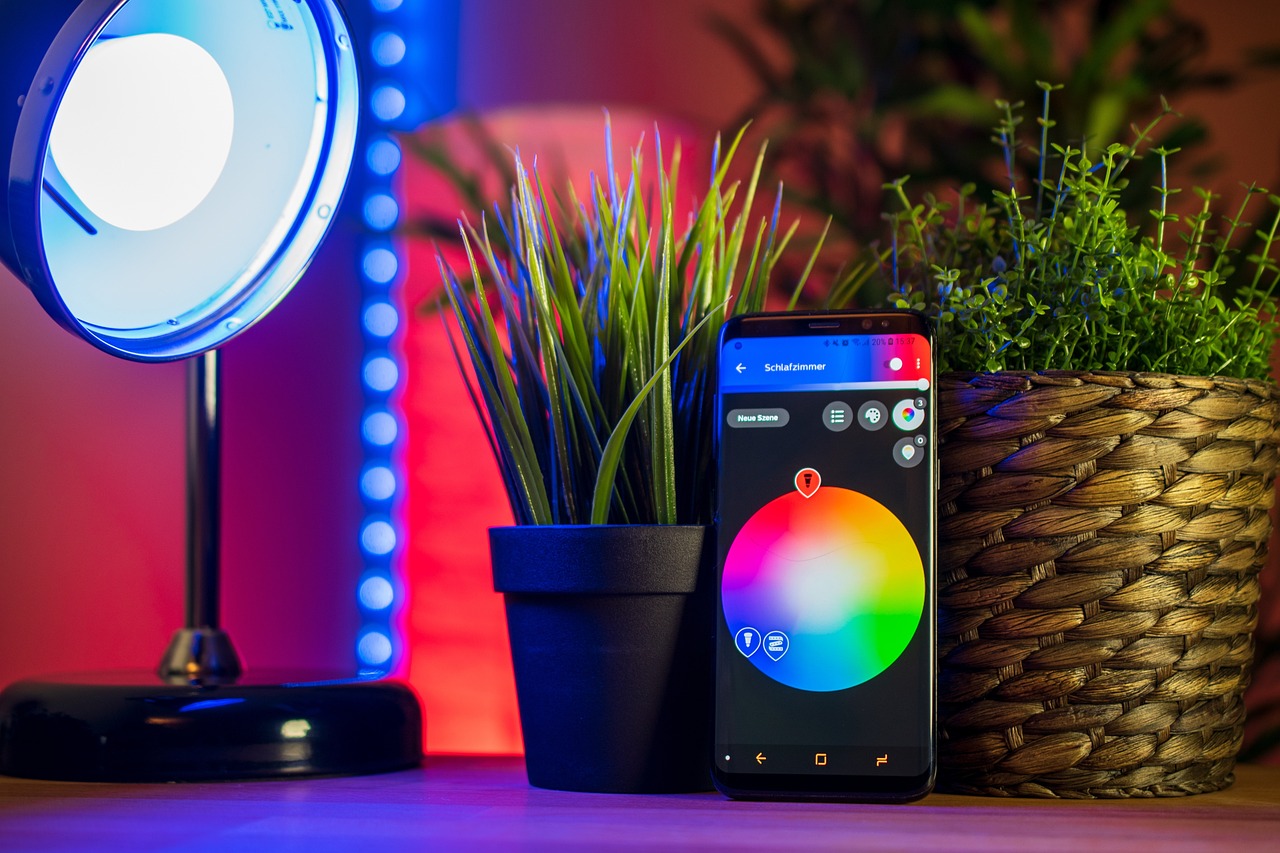
Smart home technology has made rhythmic light patterns accessible for personal spaces. LED strip lighting, programmable bulbs, and integrated home lighting systems allow homeowners to create their own dancing light environments tailored to specific moods, activities, or occasions.
These systems range from simple color-changing bulbs that can pulse to music to sophisticated whole-home solutions that can create flowing patterns throughout multiple rooms. The democratization of these technologies has transformed how people think about home lighting, shifting from purely functional illumination to experiential ambient design.
Popular applications include meditation spaces where gentle, rhythmic light patterns aid relaxation and focus, home theaters where synchronized lighting enhances cinematic immersion, and smart bedrooms where wake-up routines incorporate gradually brightening light patterns that mimic natural sunrise.
🧠 Psychological and Therapeutic Effects
Scientific research increasingly validates what many have intuitively understood: rhythmic light patterns can significantly affect human psychology and physiology. Certain frequencies and patterns of light can influence circadian rhythms, mood, alertness, and even cognitive performance.
Therapeutic applications have emerged leveraging these effects. Light therapy for seasonal affective disorder represents one established application, but newer approaches explore how specific rhythmic patterns might address anxiety, improve sleep quality, or enhance meditation practices. Some researchers are investigating whether particular light rhythms might help with conditions like ADHD or autism by providing calming sensory input.
The concept of “visual music” suggests that rhythmic light patterns can provide some of the same emotional and psychological benefits as musical experiences. Just as certain musical rhythms can energize or calm us, specific light patterns may similarly influence our mental and emotional states.
The Role of Frequency and Timing
Not all light patterns affect us equally. Research indicates that slower rhythms (under 1 Hz) tend to have calming effects, while faster patterns (2-10 Hz) might increase alertness. Very rapid flickering can cause discomfort or even trigger seizures in susceptible individuals, highlighting the importance of responsible design in rhythmic lighting applications.
🌍 Cultural Significance Across Traditions
Rhythmic light patterns hold cultural significance across numerous traditions worldwide. Festival celebrations from Diwali’s dancing oil lamps to Christmas light displays represent how cultures use patterned illumination to mark important occasions and create communal experiences.
Ancient cultures recognized the power of rhythmic firelight in ceremonies and gatherings. The flickering patterns created by flames provided both practical illumination and a hypnotic focal point that helped induce meditative or trance states during spiritual practices. This primal connection to dancing light continues to resonate with modern audiences, explaining why campfires and candlelight maintain their special appeal despite superior electric alternatives.
Japanese culture has a particularly refined appreciation for subtle light patterns, evident in traditional paper lanterns and modern applications like Tokyo’s sophisticated urban lighting design. This aesthetic philosophy emphasizes harmony, rhythm, and the interplay between light and shadow rather than purely maximizing brightness.
🔮 Future Horizons: Where Light Patterns Are Heading
Emerging technologies promise to expand the possibilities for rhythmic light patterns even further. Quantum dot technology, organic LEDs, and nano-scale lighting elements will enable displays with unprecedented color accuracy, response times, and energy efficiency, allowing for more subtle and sophisticated light choreography.
Augmented reality integration represents another frontier, where digital light patterns can be overlaid onto physical environments through AR glasses or other devices. This technology could allow personalized light experiences where different individuals see different rhythmic patterns in the same physical space, customized to their preferences or needs.
Artificial intelligence is beginning to play a role in generating light patterns that adapt and learn from viewer responses. AI systems could eventually create lighting choreography that responds to collective mood in a crowd or individual emotional states, creating truly responsive environments that evolve based on human interaction.
Sustainability Considerations
As rhythmic lighting applications expand, sustainability becomes increasingly important. Fortunately, LED technology’s energy efficiency makes elaborate light displays far more environmentally responsible than previous technologies. Future developments will likely focus on reducing energy consumption further while maintaining or enhancing visual impact.
🎯 Creating Your Own Light Patterns
For those inspired to experiment with rhythmic light patterns, numerous accessible entry points exist. Simple projects might involve programmable LED strips controlled through smartphone apps, while more ambitious creators can explore platforms like Arduino or Raspberry Pi that offer extensive customization possibilities.
Basic principles for creating compelling light patterns include understanding rhythm and tempo, considering color harmony and contrast, incorporating variation to maintain interest, and synchronizing with other sensory elements like music when appropriate. Even simple patterns can become captivating when these principles are thoughtfully applied.
Photography and videography offer another avenue for engaging with dancing light patterns. Long-exposure photography can capture light trails and patterns invisible to the naked eye, while time-lapse techniques reveal slow rhythms in natural light phenomena like sunset progressions or cloud movements.

🌟 The Enduring Appeal of Dancing Light
What makes rhythmic light patterns so universally captivating across cultures and generations? Part of the answer lies in our evolutionary history—our ancestors relied on reading patterns in firelight and natural illumination for survival. This deep-seated connection makes dancing light feel fundamentally meaningful rather than merely decorative.
Additionally, rhythmic patterns tap into our brain’s inherent preference for finding order and meaning in sensory input. When light moves in patterns we can almost but not quite predict, it creates a sweet spot of engagement where our attention is captured without being overwhelmed. This explains why we can watch flames, ocean waves, or light installations for extended periods without boredom.
The emotional dimension cannot be overlooked either. Different light patterns can evoke feelings ranging from energized excitement to peaceful tranquility, from awe at nature’s power to appreciation for human creativity. This emotional resonance makes rhythmic light patterns powerful tools for creating memorable experiences and meaningful spaces.
As technology continues advancing and our understanding of light’s effects deepens, the future of dancing light patterns looks brilliantly promising. Whether through natural phenomena that have captivated humanity for millennia or cutting-edge installations pushing technological boundaries, these luminous rhythms will continue to illuminate our world and inspire our imaginations. The dance of light represents a universal language that speaks directly to something fundamental in human experience—our capacity for wonder, our need for beauty, and our endless fascination with the play between light and darkness that defines our visual existence.