Color has the power to transform not just the walls around us, but our very state of mind. Creating a restorative environment begins with understanding how thoughtfully chosen color themes can profoundly impact our daily experiences, emotional well-being, and overall sense of peace.

In our increasingly chaotic world, our homes have become more than mere shelters—they’re sanctuaries where we seek refuge from external stress. The colors we surround ourselves with play a crucial role in whether these spaces truly nourish our spirits or inadvertently contribute to our anxiety. By embracing restorative color themes, we can intentionally design environments that support our mental health, promote relaxation, and create the harmony we desperately need in modern life.
🎨 The Psychology Behind Restorative Colors
Understanding color psychology forms the foundation of creating truly restorative spaces. Colors communicate directly with our subconscious mind, triggering emotional responses that can either energize or calm us. Scientific research has demonstrated that certain hues activate specific areas of our brain, influencing everything from heart rate to hormone production.
Cool tones like blues and greens naturally lower blood pressure and reduce stress hormones, making them ideal choices for spaces dedicated to rest and relaxation. These colors remind us of nature—vast skies, tranquil oceans, and lush forests—connecting us to the calming influence of the natural world even when we’re indoors.
Warm neutrals, including soft beiges, warm grays, and gentle taupes, create a sense of security and grounding. These colors don’t demand attention; instead, they provide a peaceful backdrop that allows our minds to settle and our bodies to release tension. They’re particularly effective in creating environments that feel both sophisticated and deeply comforting.
How Different Colors Affect Our Mood and Energy
Blue stands as one of the most universally calming colors, proven to reduce anxiety and promote tranquility. Lighter shades of blue create openness and serenity, while deeper blues can inspire contemplation and stability. Studies have shown that people actually experience lower body temperatures in blue rooms, contributing to better sleep quality.
Green represents balance and renewal, sitting perfectly in the middle of the color spectrum. This color reduces eye strain and promotes concentration, making it excellent for home offices or reading nooks. Its association with nature makes it inherently restorative, reminding us of growth, healing, and fresh beginnings.
Soft purples and lavenders combine the calm stability of blue with the nurturing qualities of pink, creating spaces that feel both peaceful and gently uplifting. These shades are particularly effective in bedrooms and meditation spaces, where we seek to quiet racing thoughts and connect with our inner selves.
🏡 Creating Your Restorative Color Palette
Developing a restorative color palette requires more than simply choosing pretty colors—it demands intentionality and understanding of how colors work together. Begin by considering the primary function of each space and the emotional atmosphere you wish to cultivate there.
Start with a dominant color that will cover the largest surfaces in your room, typically walls. This should be your most calming, neutral choice—a color that creates the overall mood without overwhelming the senses. Think soft sage, gentle blue-gray, warm cream, or subtle blush tones.
Next, select a secondary color that complements your dominant shade while adding depth and visual interest. This color might appear in larger furniture pieces, window treatments, or accent walls. The key is maintaining harmony—your secondary color should feel like a natural companion to your primary choice rather than competing for attention.
The 60-30-10 Rule for Balanced Design
Interior designers often employ the 60-30-10 rule when creating harmonious color schemes. This principle suggests using your dominant color for 60% of the space, your secondary color for 30%, and an accent color for the remaining 10%. This proportion creates visual balance while allowing for personality and interest.
For restorative spaces, your 60% might be soft gray walls, your 30% could be natural wood tones and cream upholstery, and your 10% accent might appear through sage green pillows or dusty blue artwork. This distribution prevents any single color from overwhelming the senses while creating a cohesive, calming environment.
✨ Room-by-Room Color Strategies
Different rooms serve different purposes in our homes, and their color schemes should reflect these varying functions. Approaching each space individually allows you to optimize the restorative qualities of color throughout your entire home.
Bedroom Sanctuaries
Bedrooms demand the most calming color palettes since quality sleep directly impacts our overall health and well-being. Soft blues, gentle greens, warm grays, and muted lavenders all promote relaxation and prepare our bodies for rest. Avoid bright, stimulating colors like red, orange, or vibrant yellow in sleeping spaces.
Consider using slightly deeper, more saturated tones on a single accent wall behind your bed, while keeping other walls lighter. This creates a cocoon-like feeling of security without making the space feel dark or confined. Pair your wall colors with crisp white linens and natural wood elements for a truly restorative sanctuary.
Living Spaces That Welcome and Restore
Living rooms serve multiple functions—they’re places for gathering, relaxing, entertaining, and sometimes working. Choose colors that feel welcoming without being overstimulating. Warm neutrals provide an excellent foundation, allowing you to introduce pops of calming color through accessories, artwork, and textiles.
Soft greens and gentle blues work beautifully in living spaces, especially when paired with natural materials like wood, linen, and stone. These combinations create environments that feel both sophisticated and inherently calming, supporting conversation, relaxation, and restoration in equal measure.
Kitchen and Dining Areas
While kitchens often tolerate slightly more energizing colors, restorative design still applies. Soft whites, warm creams, gentle grays, and pale greens create clean, peaceful environments that support mindful cooking and eating. These colors also enhance natural light, making spaces feel larger and more open.
Dining areas benefit from colors that promote connection and calm conversation. Soft earth tones, muted blues, and warm neutrals all encourage lingering over meals and meaningful interaction without the overstimulation that brighter hues might create.
Home Offices and Creative Spaces
Workspaces require colors that promote focus without inducing stress. Soft greens are particularly effective, as they reduce eye strain and support concentration. Warm grays and soft blues also work well, creating environments that feel professional yet calming.
Avoid stark white in home offices, as it can feel harsh and create glare. Instead, opt for warm off-whites or very pale versions of your chosen restorative colors. These provide a clean backdrop while maintaining the gentle, supportive atmosphere essential for productive, stress-free work.
🌿 Natural Elements and Color Harmony
Incorporating natural elements amplifies the restorative qualities of any color scheme. Wood tones, stone textures, plants, and natural fibers all work synergistically with calming color palettes to create deeply peaceful environments that connect us to the natural world.
Indoor plants deserve special mention in restorative design. Their natural green tones complement almost any calming color palette while purifying air and creating living focal points that bring energy without agitation. Plants also introduce organic shapes and textures that soften architectural lines and create more welcoming spaces.
Natural materials in neutral tones—linen curtains, wool rugs, wooden furniture, stone accents—provide texture and visual interest without adding color chaos. These elements ground your color scheme in authenticity, preventing spaces from feeling sterile or overly designed.
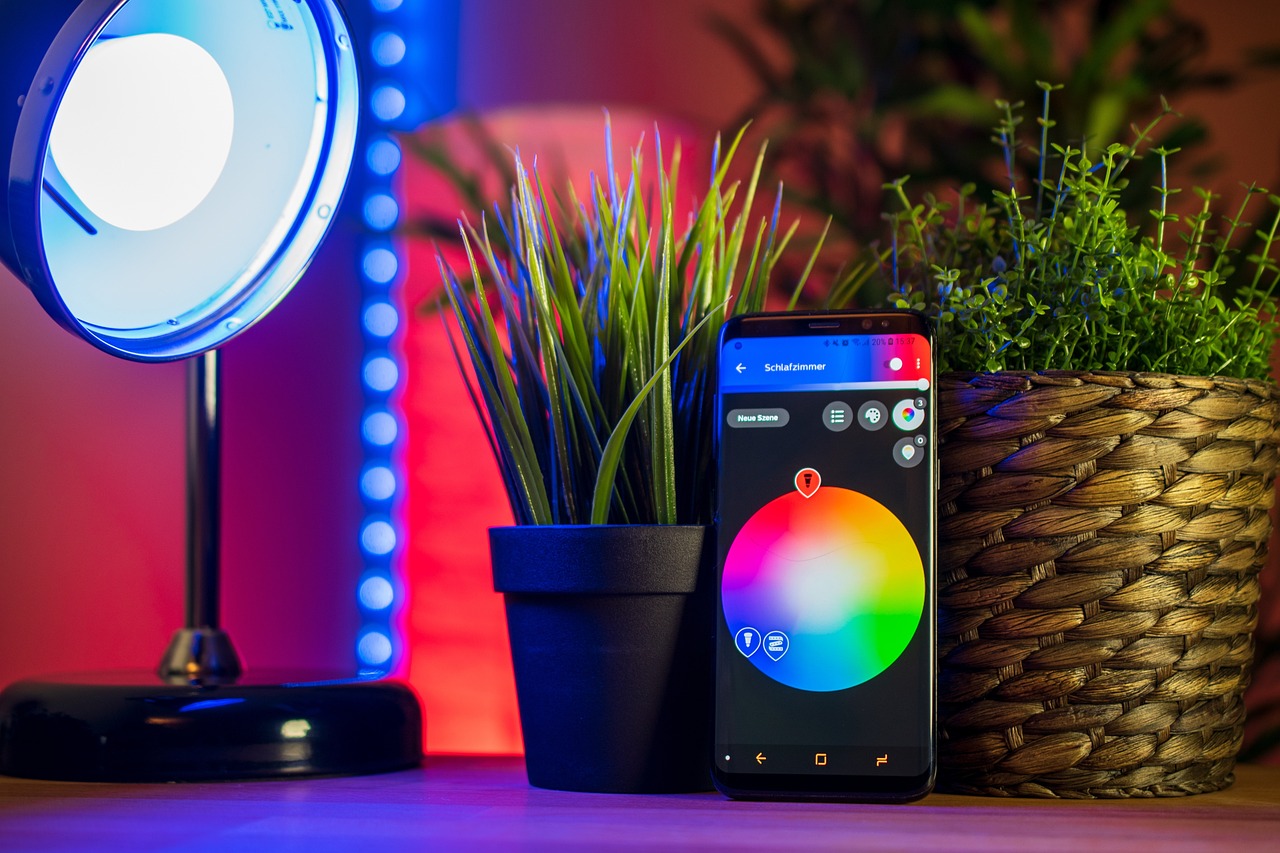
💡 Lighting Considerations for Color Success
Even the most carefully chosen color palette can fail without proper lighting consideration. Natural and artificial light dramatically affect how colors appear and how they make us feel throughout the day.
Maximize natural light wherever possible, as it supports both physical health and emotional well-being. Choose window treatments that provide privacy while allowing light penetration—sheer curtains, light-filtering shades, or adjustable blinds work well. Natural light reveals the true beauty of restorative colors while supporting our circadian rhythms.
For artificial lighting, choose warm-toned bulbs (2700-3000K) rather than cool, blue-toned options. Warm lighting enhances the calming qualities of your color palette and creates a more inviting atmosphere, especially in evening hours when we’re winding down and preparing for rest.
Layer your lighting with multiple sources at different heights—ambient overhead lighting, task lighting for specific activities, and accent lighting to highlight beautiful elements. This approach allows you to adjust the atmosphere throughout the day, supporting different activities while maintaining a restorative overall feeling.
🎯 Common Color Mistakes That Undermine Restoration
Understanding what doesn’t work is as important as knowing what does when creating restorative spaces. Many well-intentioned design choices actually increase stress rather than reducing it.
Using too many colors creates visual chaos that prevents our minds from settling. Limit your palette to three or four main colors plus white or off-white. More than this becomes overwhelming, forcing our brains to constantly process competing visual information rather than relaxing.
Choosing colors that are too bright or saturated, even in small amounts, can dominate a space and create unintended tension. Even your accent colors should be somewhat muted in restorative design. Save the vibrant jewel tones for spaces dedicated to energy and activity rather than rest and restoration.
Ignoring the undertones in your colors leads to palettes that feel discordant rather than harmonious. Every color has undertones—blues might lean purple or green, grays might read pink or yellow. Ensure all your colors share compatible undertones so they work together seamlessly rather than fighting for dominance.
🔄 Transitioning Your Space Gradually
Transforming your space doesn’t require a complete overnight renovation. In fact, gradual changes often prove more sustainable and allow you to truly experience how different colors affect your daily life before making permanent commitments.
Begin with textiles and accessories—pillows, throws, artwork, and decorative objects. These elements allow you to test color palettes without major investment or commitment. Live with these changes for several weeks, noticing how the colors make you feel during different times of day and in different moods.
Next, consider painting a single accent wall in your chosen restorative color. This provides a larger-scale preview of how the color will work in your space without the commitment of painting an entire room. Many people discover that a color they loved in a small sample feels quite different at scale.
Finally, commit to larger changes like wall colors, major furniture pieces, and window treatments. By this point, you’ll have lived with your color choices long enough to feel confident in their restorative qualities and their compatibility with your lifestyle.
🌟 Maintaining Your Restorative Environment
Creating a restorative space is just the beginning—maintaining that peaceful atmosphere requires ongoing attention and intention. Our spaces naturally accumulate clutter and visual noise that can undermine even the most carefully chosen color palettes.
Regular decluttering is essential. Visual clutter creates mental clutter, preventing us from fully experiencing the calming effects of our color choices. Establish systems for managing belongings and make peace with letting go of items that no longer serve your vision of a restorative home.
Keep your color palette consistent as you add new items to your space. Before purchasing anything new, consider whether it harmonizes with your existing palette. This discipline prevents the gradual color chaos that often develops over time as we accumulate disparate items.
Refresh your space seasonally with small changes that honor your restorative palette while acknowledging the changing world outside. Lighter linens in summer, cozier textures in winter—these adjustments keep your space feeling current and connected to natural rhythms without disrupting your calming color foundation.
🧘 Beyond Color: Supporting Elements
While color forms the foundation of restorative design, other elements work synergistically to create truly peaceful environments. Texture, pattern, scale, and negative space all contribute to how calming and harmonious a space ultimately feels.
Varied textures in similar colors add interest without visual chaos. Smooth ceramics, nubby linens, soft velvets, and rough-hewn wood all in complementary neutral tones create rich, layered environments that engage our senses without overwhelming them.
Patterns should be used sparingly and kept subtle in restorative spaces. When you do incorporate pattern, choose organic, flowing designs rather than geometric or high-contrast options. Think gentle watercolor florals, soft stripes, or abstract nature-inspired prints in your calming color palette.
Negative space—areas without visual information—is crucial in restorative design. Don’t feel compelled to fill every surface and wall. Empty space allows our eyes and minds to rest, providing the visual equivalent of silence in our busy lives.
🏆 The Long-Term Benefits of Restorative Design
Investing time and thought into creating restorative color themes pays dividends that extend far beyond aesthetics. People who live in thoughtfully designed, calming environments report better sleep quality, reduced stress levels, improved relationships, and greater overall life satisfaction.
Your home becomes a true retreat—a place where you can genuinely recover from the demands of daily life rather than simply existing between activities elsewhere. This restoration affects every aspect of your life, improving your capacity to handle challenges, connect with others, and pursue your goals with clarity and purpose.
The financial investment in creating restorative spaces often proves surprisingly modest, especially when approached gradually. Paint, textiles, and thoughtful editing of existing belongings can dramatically transform your environment without requiring expensive renovations or designer furniture.
Perhaps most importantly, developing an eye for restorative color and design becomes a skill that serves you throughout your life. You’ll make better choices in future homes, travel accommodations, and even office spaces, consistently creating environments that support your well-being wherever you find yourself.
Transforming your space with restorative color themes represents an investment in your daily quality of life and long-term well-being. By understanding color psychology, choosing palettes intentionally, and maintaining your peaceful environment with ongoing care, you create a home that truly serves your deepest need for serenity and harmony. Start small, trust your instincts, and allow your space to evolve into the restorative sanctuary you deserve. Your mind, body, and spirit will thank you for creating this oasis of calm in an increasingly chaotic world.