Creating a therapeutic environment goes far beyond choosing furniture or paint colors. The design of your therapy space profoundly impacts client comfort, emotional safety, and the overall healing journey that unfolds within those walls.

Whether you’re establishing a new practice or refreshing an existing space, intentional design patterns can transform ordinary rooms into sanctuaries of healing. This comprehensive guide explores evidence-based strategies and creative approaches to elevate your therapy environment, fostering deeper connections and enhanced therapeutic outcomes.
🎨 The Psychology Behind Therapeutic Space Design
The relationship between environment and mental state is well-documented in environmental psychology research. Clients entering therapy often carry anxiety, vulnerability, and emotional burdens. Your space serves as the container for their healing process, and every design element either supports or hinders their ability to feel safe and open.
Studies demonstrate that therapeutic environments directly influence stress hormone levels, heart rate variability, and emotional regulation capacity. When clients feel physically comfortable and psychologically safe in your space, their nervous systems can shift from defensive states into receptive modes conducive to healing work.
Consider that your therapy room communicates messages before you speak a single word. The lighting whispers about warmth or coldness. The furniture arrangement suggests hierarchy or equality. Color choices evoke specific emotional responses. Textures invite touch or create distance. Every detail matters in this non-verbal conversation.
✨ Foundation Elements That Set the Healing Tone
Natural Light as a Healing Resource
Natural light ranks among the most powerful design elements for therapeutic spaces. Research consistently shows that exposure to natural light reduces depression symptoms, regulates circadian rhythms, and improves overall mood. Whenever possible, position seating arrangements to maximize natural light exposure without creating glare or harsh shadows.
If your space lacks adequate natural light, invest in full-spectrum lighting that mimics natural daylight. Adjustable lighting systems allow you to modify brightness and warmth according to time of day, session type, or client preferences. Dimmable options provide flexibility for trauma work or relaxation techniques that benefit from softer illumination.
Color Psychology in Action
Color profoundly affects emotional states and physiological responses. For therapy spaces, neutral bases with intentional accent colors typically work best. Soft earth tones like warm grays, gentle beiges, and muted greens create calming foundations that don’t overwhelm the senses.
Blue tones promote tranquility and reduce anxiety, making them excellent choices for walls or larger design elements. However, avoid cool blues that might feel sterile or emotionally distant. Warmer blues with gray or green undertones offer psychological safety without coldness.
Strategic use of warmer accent colors like terracotta, soft coral, or warm gold can energize spaces without overstimulation. These hues work beautifully in artwork, cushions, or decorative elements, providing visual interest while maintaining overall calmness.
🛋️ Furniture Selection and Spatial Arrangement
Furniture choices communicate volumes about therapeutic relationships and power dynamics. The traditional therapist’s desk creates hierarchical distance that may inhibit rapport building. Contemporary trauma-informed practices emphasize collaborative seating arrangements that promote equality and safety.
Seating That Supports Connection
Offer multiple seating options when space permits. Some clients feel most comfortable in structured chairs with armrests, while others prefer softer seating or even floor cushions. This variety empowers clients to choose positioning that matches their comfort needs and cultural preferences.
Ensure chairs are positioned at slight angles rather than directly facing each other, allowing clients to control eye contact intensity. This arrangement reduces pressure while maintaining connection possibilities. The optimal distance between therapist and client seating typically ranges from five to seven feet, close enough for intimacy without invading personal space.
Consider chair height carefully. Seating should be level between therapist and client, avoiding configurations where one person sits noticeably higher. Equal height promotes collaborative therapeutic alliances rather than hierarchical relationships.
The Power of Flexible Spaces
Versatile spaces accommodate diverse therapeutic approaches and client populations. Families need different spatial configurations than individual clients. Play therapy requires floor space and storage for materials. Body-centered approaches benefit from open areas for movement.
Lightweight, easily movable furniture creates adaptability. Modular seating, nesting tables, and mobile storage units allow quick reconfiguration between sessions. This flexibility demonstrates respect for diverse needs while maximizing your space’s functionality.
🌿 Biophilic Design: Bringing Nature Indoors
Biophilic design principles leverage humanity’s innate connection with nature to create healing environments. Incorporating natural elements reduces stress, lowers blood pressure, and enhances emotional wellbeing—all crucial factors in therapeutic work.
Strategic Plant Integration
Live plants purify air, add visual interest, and create calming focal points. Choose low-maintenance varieties like pothos, snake plants, or peace lilies that thrive in various light conditions. Avoid plants with strong fragrances that might trigger sensitivities or allergies.
Position plants at varying heights to create visual layers and natural focal points. Larger floor plants can define spatial boundaries or create gentle privacy screens. Smaller plants on shelves or tables add life without overwhelming limited surfaces.
Natural Materials and Textures
Wood furniture, stone elements, natural fiber textiles, and organic materials create sensory richness that plastic and synthetic alternatives cannot replicate. These materials provide tactile interest while grounding spaces in nature’s calming presence.
Consider wooden side tables, stone decorative objects, wool or cotton throw blankets, and jute or sisal area rugs. These elements add warmth and authenticity while supporting the therapeutic atmosphere you’re cultivating.
🎵 Sound Design and Acoustic Considerations
Acoustic privacy stands among the most critical yet frequently overlooked aspects of therapy space design. Clients cannot achieve psychological safety when they fear being overheard. Soundproofing investments demonstrate professional commitment to confidentiality and ethical practice.
Managing Sound Intrusion and Echo
Soft furnishings absorb sound and reduce echo that makes spaces feel clinical or empty. Area rugs, upholstered furniture, curtains, fabric wall hangings, and acoustic panels significantly improve sound quality within therapy rooms.
White noise machines positioned outside your therapy room door mask conversation sounds without creating intrusive noise within the room itself. These devices protect confidentiality in shared office buildings where complete soundproofing may not be feasible.
Address external noise sources thoughtfully. Heavy curtains dampen traffic sounds. Weatherstripping improves door seals. Strategic furniture placement can buffer sound transmission through walls. These practical interventions demonstrate care for the therapeutic container’s integrity.
🖼️ Meaningful Art and Visual Focal Points
Artwork selection requires careful consideration in therapeutic contexts. While personal taste matters, prioritize pieces that promote calm reflection rather than strong emotional reactions or controversial content. Abstract nature scenes, gentle landscapes, and non-representational art typically work well across diverse client populations.
Avoid imagery depicting human faces, which can feel intrusive or create the sensation of being watched. Similarly, religious symbols, political imagery, or culturally specific references may alienate certain clients even if meaningful to you personally.
Position artwork at seated eye level rather than standing height, since clients spend most session time seated. This placement creates visual interest without requiring uncomfortable neck positions to view pieces.
💡 Sensory Considerations for Trauma-Informed Spaces
Trauma-informed design recognizes that traumatized nervous systems respond differently to environmental stimuli. Creating spaces that support regulation requires attention to sensory details often invisible to non-traumatized individuals.
Visual Simplicity and Predictability
Visual clutter overwhelms already-taxed nervous systems. Maintain clean surfaces with minimal decorative objects. Use closed storage to conceal supplies, tissues, and professional materials that aren’t currently needed. This simplicity allows clients to focus internal attention without external distraction.
Predictable spatial organization helps clients orient themselves and feel safe. Consistent furniture placement between sessions creates familiarity. Clearly visible exits reduce trapped feelings that trigger panic responses. Transparent doors or windows into waiting areas allow clients to monitor their environment.
Temperature and Air Quality Control
Individual temperature preferences vary significantly, and trauma survivors often experience dysregulated body temperature. Provide blankets or throws that clients can use if they feel cold. Ensure adequate heating and cooling systems maintain comfortable ranges.
Air quality dramatically impacts comfort and concentration. Good ventilation systems, air purifiers, and live plants all contribute to fresh, clean air. Avoid artificial fragrances, scented candles, or plugins that might trigger sensitivities or respiratory issues.
📱 Technology Integration Without Distraction
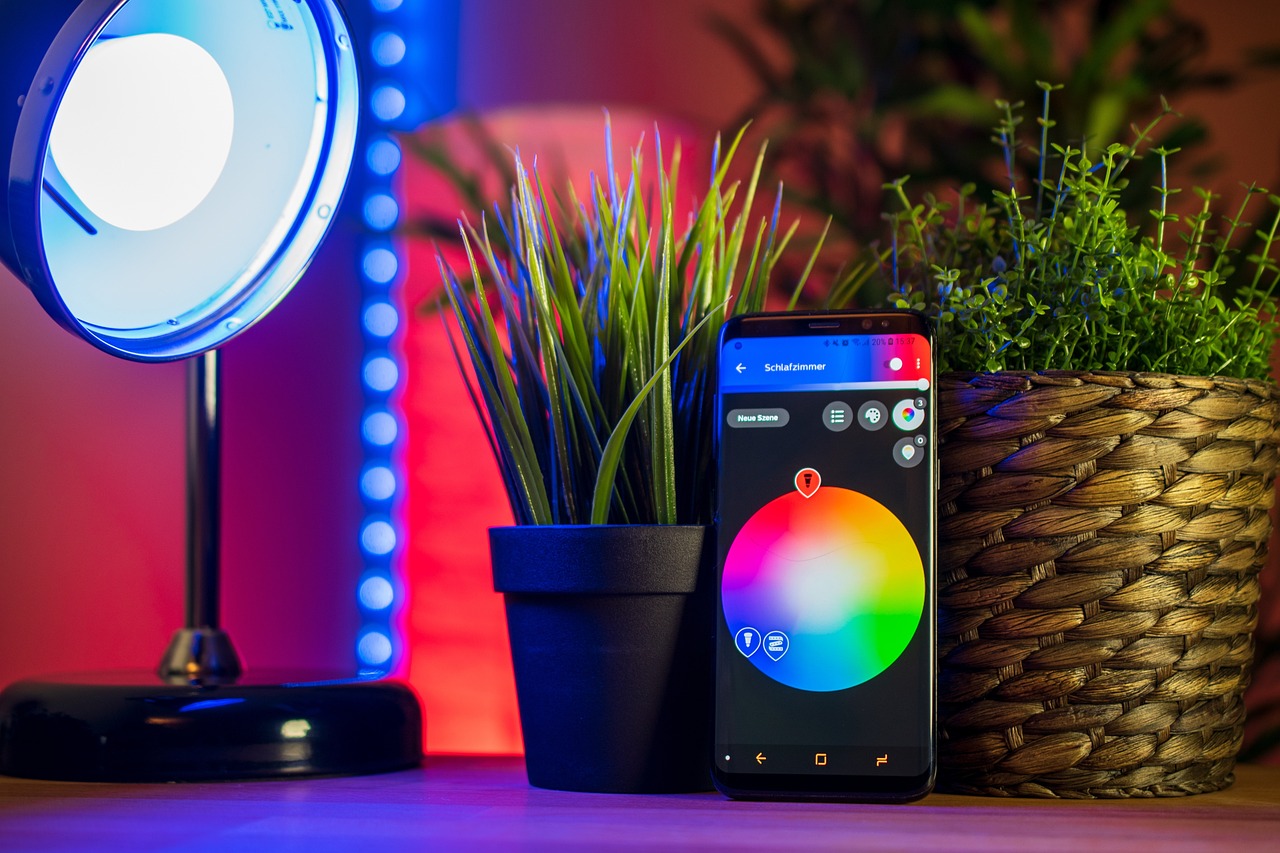
Modern therapy practices often incorporate technology for scheduling, billing, telehealth, or therapeutic applications. However, visible technology can undermine the healing sanctuary you’re creating. Integrate necessary devices thoughtfully while maintaining the space’s therapeutic essence.
Conceal charging stations, routers, and technical equipment within furniture or behind decorative screens. Use cord management solutions to eliminate visual clutter from wires and cables. Position computers or tablets so screens aren’t visible to clients during sessions unless specifically needed for therapeutic work.
For therapists utilizing therapeutic apps or digital resources with clients, ensure technology enhances rather than distracts from connection. Tablets work better than laptops for maintaining engagement, as they create less physical barrier between therapist and client.
🌟 Personal Touches That Build Connection
While professional boundaries matter, completely sterile environments feel cold and uninviting. Selective personal touches humanize your space and build rapport without compromising professionalism or overwhelming clients with your personal life.
A small collection of meaningful objects—perhaps a beautiful stone, a handcrafted bowl, or an interesting sculpture—adds personality without domination. Books on shelves demonstrate expertise while revealing professional interests. These elements create conversation opportunities and help clients see you as a real person within appropriate boundaries.
Cultural humility requires awareness that your design choices reflect specific cultural values. Consider how diverse clients might experience your space. Does your design inadvertently communicate that certain cultural expressions are more valued than others? Are you creating flexibility for different comfort levels with eye contact, personal space, and physical proximity?
🔄 Seasonal Adaptations and Ongoing Evolution
Therapeutic spaces benefit from subtle seasonal updates that acknowledge natural cycles and prevent stagnation. These changes don’t require major investments—simple adjustments can refresh energy without disrupting familiarity.
Rotate artwork seasonally or adjust accent colors through easily changed elements like throw pillows or blankets. Modify window treatments to maximize natural light during darker months. These small shifts demonstrate attention to the present moment while maintaining overall consistency.
Regularly assess your space with fresh eyes. Better yet, seek feedback from trusted colleagues or consultants who can identify elements you’ve become blind to through familiarity. Client feedback, when solicited carefully, also provides valuable insight into how your space supports or hinders their healing process.
🎯 Practical Implementation Steps
Transforming your therapy space doesn’t require complete renovation or unlimited budgets. Prioritize changes based on impact and feasibility, implementing improvements gradually while maintaining functionality.
Begin with foundational elements like lighting, paint color, and furniture arrangement. These changes create the biggest impact and establish the framework for additional enhancements. Address acoustic concerns early, as confidentiality fundamentally supports all therapeutic work.
Create a design vision board capturing your ideal therapeutic environment. Collect images, color swatches, and inspiration that resonates with your therapeutic approach and client population. This visual guide keeps improvements cohesive as you implement changes over time.
Set a modest quarterly budget for space improvements. Even small investments accumulate into significant transformations. Purchase one meaningful art piece, add several quality plants, upgrade lighting fixtures, or invest in better seating. These incremental improvements feel manageable while creating steady progress.

💚 Creating Spaces Where Healing Thrives
Your therapy space represents far more than a professional setting—it embodies your commitment to healing, your respect for clients’ vulnerability, and your understanding that environment profoundly shapes human experience. Every design choice either facilitates or hinders the sacred work unfolding within those walls.
Intentional design patterns transform ordinary rooms into healing sanctuaries where clients feel safe enough to explore pain, brave enough to attempt change, and supported enough to believe transformation is possible. These spaces honor the therapeutic relationship while providing practical support for diverse healing modalities.
As you enhance your therapy environment, remember that perfection isn’t the goal. Authenticity, thoughtfulness, and genuine care for client wellbeing matter far more than designer furniture or expensive artwork. Your space should reflect your therapeutic values while creating conditions where deep healing becomes possible.
The investment you make in your therapeutic environment returns dividends through enhanced client comfort, stronger therapeutic alliances, and better treatment outcomes. More importantly, it demonstrates profound respect for the vulnerability clients bring to your space and the transformative potential of your shared work together.