The spaces we inhabit profoundly influence our physical health, mental wellbeing, and capacity to heal. Modern architecture and design are revolutionizing healthcare environments, creating therapeutic spaces that actively support recovery and wellness.

Traditional healthcare facilities have long been characterized by sterile corridors, harsh lighting, and institutional atmospheres that often heighten patient anxiety rather than alleviate it. However, a transformative shift is underway. Innovative architects, designers, and healthcare professionals are collaborating to create healing spaces that recognize the powerful connection between environment and human health. These thoughtfully designed environments incorporate elements of nature, optimize light and acoustics, and prioritize patient dignity and comfort, fundamentally changing how we approach wellness and recovery.
🌿 The Science Behind Healing Architecture
Evidence-based design has emerged as a cornerstone of contemporary healthcare architecture, grounding design decisions in rigorous scientific research. Studies consistently demonstrate that environmental factors directly impact patient outcomes, including recovery times, pain perception, medication needs, and overall satisfaction with care.
Research from hospitals implementing healing design principles shows measurable improvements across multiple metrics. Patients in rooms with natural light require less pain medication, experience shorter hospital stays, and report better sleep quality. The psychological impact of thoughtfully designed spaces extends beyond comfort, triggering physiological responses that support the body’s natural healing mechanisms.
Neuroscience research reveals that our brains respond positively to certain environmental characteristics. Views of nature, for instance, activate the parasympathetic nervous system, reducing stress hormones and promoting relaxation. Access to natural light helps regulate circadian rhythms, essential for restorative sleep and immune function. Even color choices influence mood and behavior, with soft blues and greens shown to have calming effects while warmer tones can energize and uplift.
Biophilic Design: Bringing Nature Indoors
Biophilic design represents one of the most powerful strategies in healing architecture, integrating natural elements into built environments. This approach recognizes humanity’s innate connection to nature and leverages it to create spaces that feel inherently restorative.
Healthcare facilities embracing biophilic principles incorporate living walls, indoor gardens, water features, and natural materials throughout their design. Large windows frame views of outdoor landscapes, while interior spaces feature wooden finishes, stone elements, and organic patterns that echo natural forms. These features aren’t merely aesthetic choices—they’re therapeutic interventions that reduce stress, lower blood pressure, and enhance cognitive function.
💡 Light as a Healing Element
Lighting design has emerged as a critical component of healing spaces, moving far beyond basic illumination to become a sophisticated tool for supporting health and recovery. Natural light remains the gold standard, with research consistently demonstrating its benefits for both patients and healthcare workers.
Maximizing daylight exposure in healthcare settings requires strategic architectural planning. Large windows, skylights, and light wells bring sunshine deep into buildings, while careful positioning of patient rooms ensures access to natural light cycles. This exposure helps maintain healthy circadian rhythms, improving sleep quality and supporting the body’s natural healing processes.
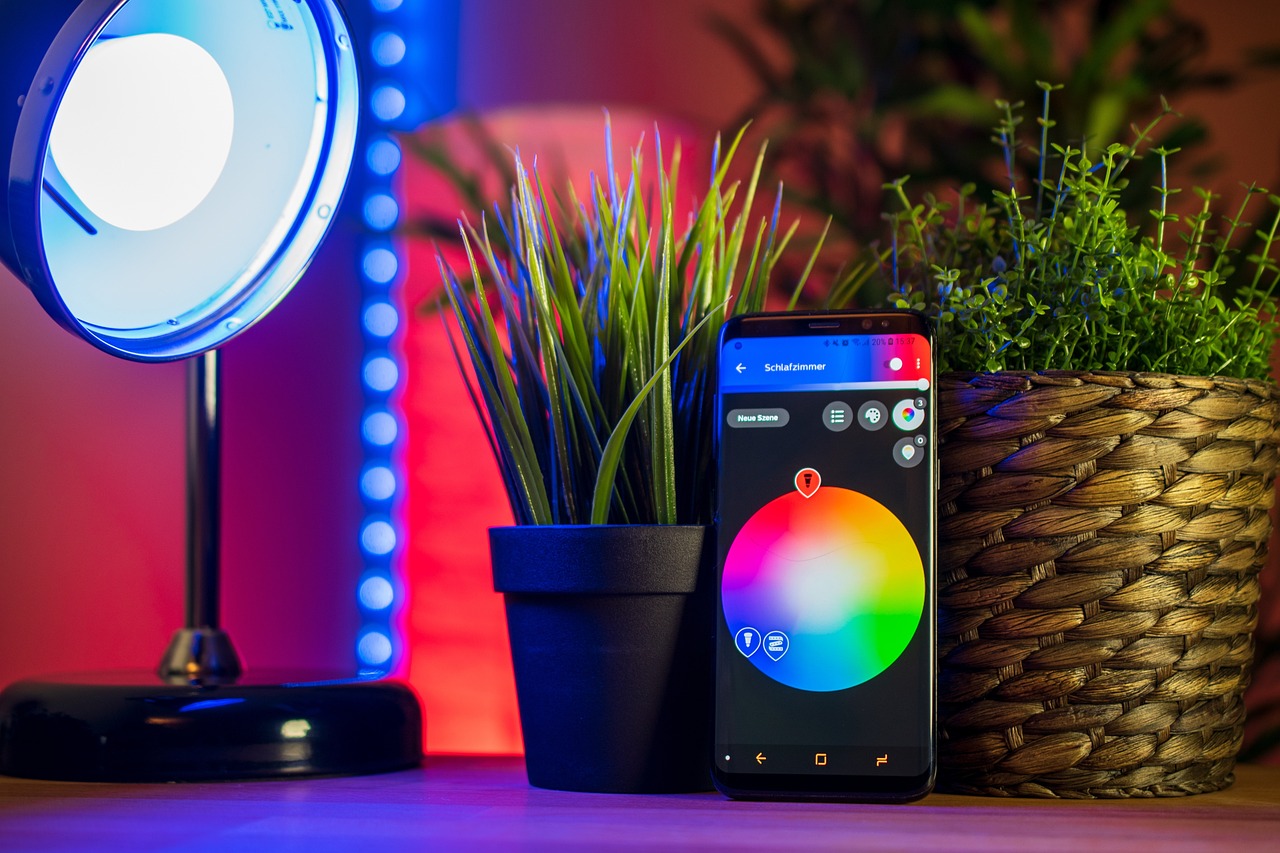
Artificial lighting systems have also evolved dramatically. Dynamic lighting technologies now mimic natural light patterns throughout the day, with cooler, brighter light in the morning transitioning to warmer, dimmer tones in the evening. These systems support patient wellbeing while helping staff maintain alertness during long shifts. Individual lighting controls empower patients to adjust their environment, restoring a sense of personal agency often lost in healthcare settings.
Addressing Light Pollution and Sleep Quality
Modern healing spaces also tackle the problem of light pollution in healthcare environments. Traditional hospitals often maintain bright lighting throughout the night, disrupting patient sleep and interfering with recovery. Innovative designs incorporate night lighting solutions that provide necessary visibility for staff while minimizing sleep disruption, using low-level pathway lighting and task-specific illumination rather than overhead fluorescents.
🎨 Color Psychology in Therapeutic Environments
Color profoundly affects human psychology and physiology, making it a powerful tool in healing space design. Different hues evoke distinct emotional and physical responses, allowing designers to create environments that support specific therapeutic goals.
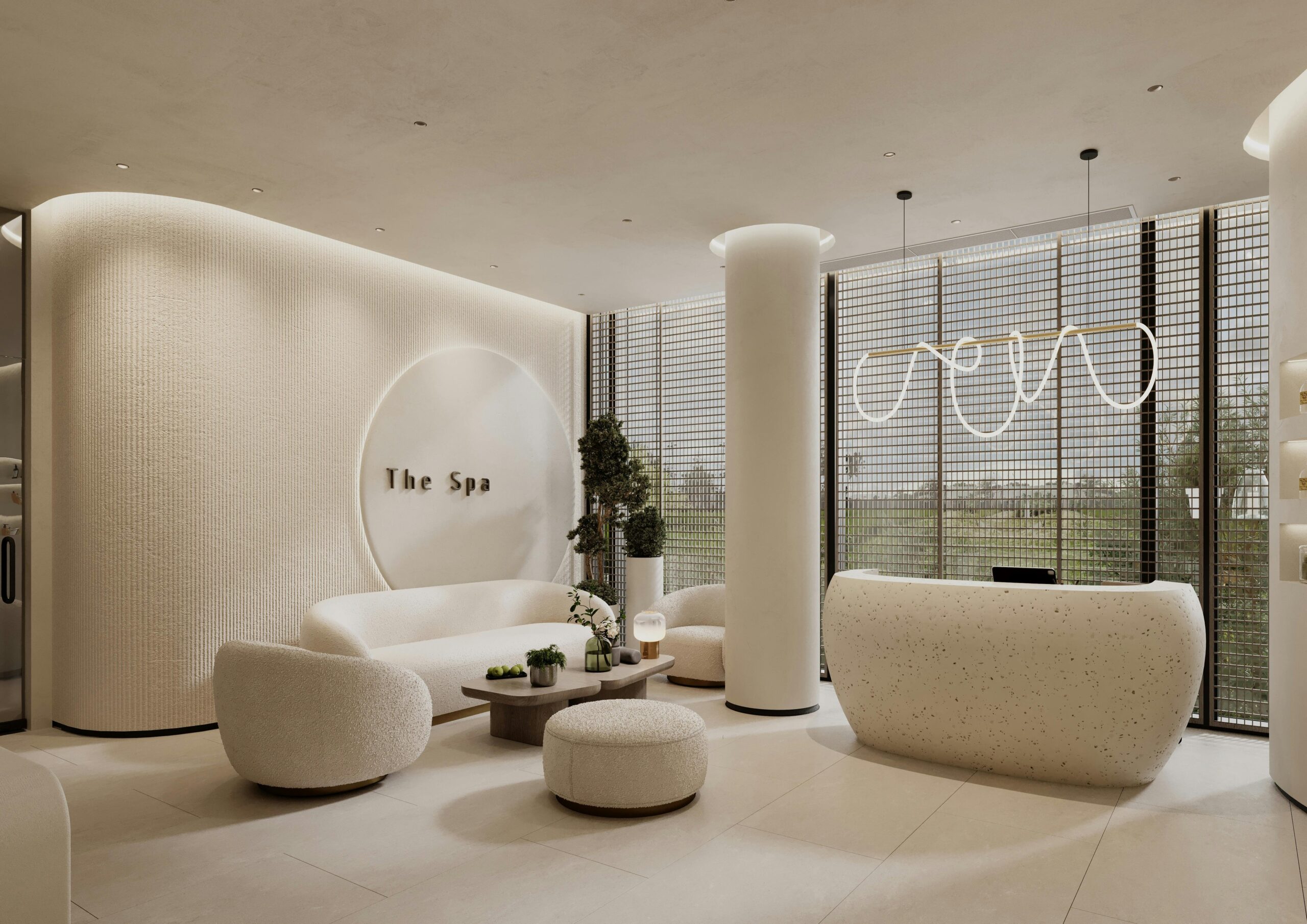
Soft greens and blues dominate many healing spaces due to their calming properties. These colors reduce anxiety, lower heart rate, and create a sense of tranquility essential for recovery. Pediatric areas might incorporate brighter, more playful colors that reduce fear and create welcoming atmospheres for young patients. Warm neutrals with natural wood tones create feelings of comfort and safety, while strategic accent colors can wayfind and energize specific areas.
The application of color extends beyond walls to include furnishings, artwork, and even medical equipment. Some innovative facilities have moved away from clinical whites and sterile grays entirely, embracing color palettes that feel more residential than institutional, helping patients feel less like they’re in a medical facility and more like they’re in a place designed for their wellbeing.
🔇 Acoustic Design for Healing Environments
Noise pollution ranks among the most significant complaints in traditional healthcare settings, with constant interruptions disrupting sleep, increasing stress, and hindering recovery. Healing spaces prioritize acoustic design as essential to creating truly therapeutic environments.
Sound-absorbing materials integrated throughout ceilings, walls, and floors dramatically reduce ambient noise levels. Carpet tiles, acoustic ceiling panels, and sound-dampening wall coverings work together to create quieter environments. Strategic spatial planning separates noisy functions from quiet patient areas, while single-patient rooms eliminate disturbances from roommates.
Beyond noise reduction, innovative facilities incorporate positive soundscapes. Gentle nature sounds, music therapy spaces, and meditation rooms offer acoustic refuges where patients can find peace and restoration. These interventions recognize that silence isn’t always the goal—sometimes the right sounds can be profoundly healing.
🏥 Patient-Centered Spatial Planning
The layout and organization of healing spaces significantly impact patient experience and outcomes. Patient-centered design places individual needs at the forefront, creating environments that support dignity, autonomy, and comfort throughout the healing journey.
Single-patient rooms have become the standard in cutting-edge healthcare facilities, offering privacy, reducing infection risk, and allowing family members to stay comfortably. These rooms incorporate flexible spaces where patients can personalize their environment, receive visitors, and maintain connections to their lives outside the hospital.
Decentralized nursing stations bring care providers closer to patients while reducing the institutional feel of traditional centralized desks. Transparent design allows visual connections between staff and patient areas, enhancing safety and responsiveness while maintaining privacy. Dedicated family zones acknowledge the vital role loved ones play in healing, providing comfortable spaces for rest and respite without leaving the patient’s side.
Wayfinding and Navigation
Healing spaces recognize that confusion and disorientation add unnecessary stress to already challenging circumstances. Intuitive wayfinding systems incorporate clear sightlines, distinctive landmarks, color coding, and natural navigation cues that help patients and visitors move confidently through facilities. Art installations serve dual purposes, creating points of interest while functioning as memorable wayfinding markers.
🌱 Outdoor Healing Gardens and Nature Access
Therapeutic gardens represent some of the most beloved features of healing spaces, providing access to nature that supports physical, emotional, and spiritual wellbeing. These carefully designed outdoor areas offer patients, families, and staff refuges from the intensity of medical environments.
Effective healing gardens incorporate multiple sensory experiences—fragrant plants, textured foliage, flowing water, and seasonal changes that connect visitors to natural cycles. Accessible pathways ensure mobility-impaired individuals can enjoy these spaces, while varied seating options accommodate different preferences for sun, shade, solitude, or social interaction.
Research consistently demonstrates the benefits of garden access in healthcare settings. Time spent in nature reduces stress hormones, lowers blood pressure, improves mood, and even enhances immune function. For patients with limited mobility, views of gardens from room windows provide similar benefits, offering visual connections to the natural world that support healing.
🏛️ Case Studies: Transformative Healing Spaces
Around the world, innovative healthcare facilities are demonstrating the transformative power of healing-centered architecture and design. The Khoo Teck Puat Hospital in Singapore exemplifies biophilic design excellence, with gardens throughout every floor, natural ventilation, and integration with surrounding park landscapes. Patients and visitors often comment that the facility feels more like a resort than a hospital.
The Maggie’s Centres in the United Kingdom provide cancer care support in domestic-scale buildings designed by renowned architects. These spaces prioritize comfort, natural light, and connection to gardens, creating welcoming environments where patients and families find respite from clinical treatment settings. Outcomes research shows users experience reduced anxiety and improved coping with diagnosis and treatment.
Children’s hospitals have led innovation in creating healing spaces that address the unique needs of pediatric patients. The Akron Children’s Hospital in Ohio transformed clinical environments with nature-inspired design, interactive elements, and spaces that accommodate entire families. The facility demonstrates how healing design reduces the trauma of hospitalization for young patients while supporting family-centered care.
💻 Technology Integration in Healing Spaces
Modern healing spaces thoughtfully integrate technology to enhance care while maintaining the human-centered focus essential to therapeutic environments. Smart room controls allow patients to adjust lighting, temperature, and entertainment systems, restoring autonomy over their immediate environment. Bedside tablets provide access to medical information, entertainment, and communication tools, keeping patients connected and informed.
Telemedicine capabilities embedded in room design expand access to specialized care while reducing the need for patient transport. Virtual reality systems offer immersive experiences that distract from pain, reduce anxiety, and provide virtual nature experiences for patients unable to access outdoor spaces.
Technology also supports staff efficiency, with integrated systems that reduce time spent on documentation and increase time available for direct patient care. The key to successful technology integration lies in seamless incorporation that enhances rather than dominates the healing environment.
🌍 Sustainable Design for Healthy Facilities
Sustainability and healing design share common goals—creating environments that support human and planetary health. Green building practices reduce environmental impact while creating healthier indoor environments for patients and staff.
Sustainable materials selection prioritizes low-VOC finishes, natural materials, and products with verified health credentials. Advanced HVAC systems provide superior air quality while reducing energy consumption. Water conservation strategies and renewable energy integration reduce environmental footprints while often lowering operational costs.
The connection between sustainability and healing extends beyond environmental benefits. Patients and families increasingly value care delivered in facilities that demonstrate environmental responsibility, recognizing that organizations committed to planetary health align with broader wellness values.
🎭 Art and Cultural Considerations
Art plays a vital role in healing spaces, offering beauty, distraction, and meaning during difficult times. Evidence-based art selection focuses on nature scenes, abstract works with organic forms, and images that evoke positive emotions while avoiding content that might disturb or distress patients.
Culturally responsive design acknowledges that healing traditions and preferences vary across communities. Inclusive spaces accommodate diverse spiritual practices, dietary needs, and family structures. Multilingual wayfinding, diverse representation in artwork, and flexible spaces that adapt to different cultural practices demonstrate respect for the communities served.
🔮 The Future of Healing Spaces
As our understanding of the relationship between environment and health deepens, healing space design continues to evolve. Emerging trends include greater personalization through artificial intelligence systems that learn individual preferences, expanded integration of virtual and augmented reality for therapeutic purposes, and modular designs that adapt quickly to changing healthcare needs.
The COVID-19 pandemic accelerated innovation in healthcare design, highlighting the importance of flexible spaces, infection control considerations, and support for mental health and wellbeing. Post-pandemic healing spaces increasingly incorporate outdoor treatment areas, enhanced ventilation systems, and designs that reduce isolation while maintaining safety.
Beyond traditional healthcare facilities, healing design principles are spreading to outpatient clinics, mental health facilities, senior living communities, and even workplaces and schools. This expansion recognizes that environments supporting health and wellbeing benefit everyone, not just those actively receiving medical treatment.
✨ Creating Healing Spaces: Practical Considerations
Implementing healing design principles requires collaboration among diverse stakeholders—architects, designers, healthcare providers, patients, families, and communities. Successful projects incorporate user input throughout the design process, ensuring spaces truly meet the needs of those who will inhabit them.
Budget considerations need not prevent healing-centered design. While some interventions require significant investment, many cost-effective strategies significantly improve healing environments. Paint color changes, improved lighting, reduced noise, and enhanced wayfinding can transform spaces without major structural modifications. The long-term benefits—reduced patient stays, improved outcomes, enhanced staff retention, and increased patient satisfaction—often justify initial investments.
Existing facilities can be retrofitted with healing design elements through thoughtful renovation. Adding plants, improving lighting, creating quiet zones, and incorporating art can significantly enhance older buildings without complete reconstruction. Even small changes signal organizational commitment to patient-centered care and environmental healing.
🌟 The Transformative Impact on Lives
The ultimate measure of healing space success lies in transformed lives—patients who recover more quickly, families who find comfort during difficult times, and healthcare workers who feel supported in their vital work. Stories from innovative facilities reveal the profound impact of thoughtful design on human experience.
Patients describe feeling calmer, more hopeful, and more in control in healing-centered environments. Family members appreciate spaces that acknowledge their important role in recovery. Healthcare workers report reduced stress and greater job satisfaction when working in environments that support their wellbeing alongside patient care.
Healing spaces represent more than architectural trends—they embody a fundamental shift in how we approach health and healthcare. By recognizing that environment profoundly influences healing, these innovative designs honor the whole person, supporting not just the treatment of illness but the restoration of wellness and the flourishing of human life.
As healing design principles continue to evolve and spread, we move toward a future where all healthcare environments actively support recovery, where built spaces become therapeutic partners in healing, and where architecture and design fulfill their highest purpose—enhancing human wellbeing and transforming lives for the better.