Our physical environment shapes every aspect of our lives—from how we think and work to how we rest and recover. The way we configure our living and working spaces directly influences our mental clarity, energy levels, and overall sense of well-being.

In today’s fast-paced world, where many of us juggle remote work, personal projects, and family life within the same four walls, understanding how to create restorative room configurations has never been more critical. The science of environmental psychology reveals that thoughtful spatial design can reduce stress, enhance focus, and create sanctuaries that support both productivity and relaxation. This comprehensive guide will walk you through the essential principles and practical strategies for transforming your space into an environment that nurtures your best self.
🏠 Understanding the Connection Between Space and Well-being
The relationship between our surroundings and our psychological state is profound and well-documented. Research in environmental psychology consistently demonstrates that physical spaces affect our cortisol levels, cognitive function, and emotional regulation. When our rooms feel cluttered, chaotic, or misaligned with their intended purpose, our minds mirror that disorder.
Restorative room configurations prioritize intentional design choices that support specific activities while promoting mental restoration. Unlike purely aesthetic interior design, this approach focuses on functionality, flow, and the psychological impact of every element within a space. The goal is to create environments that reduce cognitive load, minimize distractions, and provide clear boundaries between different life domains.
Studies from neuroscience reveal that our brains constantly scan our environment for threats and opportunities. In spaces with visual clutter, harsh lighting, or poor acoustics, our nervous systems remain in a low-level state of alert, preventing deep focus or genuine relaxation. Conversely, well-configured spaces signal safety and order, allowing our minds to engage fully with the task at hand or to truly decompress.
🎯 The Foundation: Defining Zones and Purpose
The first step in creating restorative room configurations is establishing clear functional zones. Even in small apartments or shared spaces, delineating areas for specific activities helps your brain transition between different modes of operation. This psychological boundary-setting is crucial for maintaining work-life balance and preventing burnout.
Begin by auditing your current space and identifying all the activities that occur within it. Common categories include focused work, creative projects, physical exercise, meal preparation and consumption, social interaction, entertainment, and rest. Each of these activities benefits from different environmental conditions and spatial arrangements.
Creating Effective Work Zones
Your productivity zone should be positioned in an area with natural light when possible, as exposure to daylight regulates circadian rhythms and improves alertness. The desk or work surface should face away from high-traffic areas to minimize distractions, and ideally should not be visible from your relaxation spaces to maintain psychological separation between work and rest.
Consider the ergonomics of your workspace carefully. Your chair height, monitor position, and keyboard placement directly affect both immediate comfort and long-term physical health. Invest in adjustable furniture that supports proper posture, and position frequently used items within arm’s reach to reduce unnecessary movement and maintain flow states.
Designing Restorative Rest Areas
Your rest and relaxation zones require completely different environmental conditions. These spaces should be separated from work areas as much as possible, using furniture arrangement, room dividers, or even different lighting schemes to create distinct atmospheres. Keep technology minimal in these areas, and prioritize comfort elements like soft textiles, gentle lighting, and calming colors.
Temperature also plays a crucial role in restoration. Rest areas benefit from slightly cooler temperatures than work zones, typically between 60-67°F (15-19°C), which supports the natural temperature drop our bodies need for quality sleep and deep relaxation.
💡 Lighting Strategies for Enhanced Performance and Recovery
Lighting may be the single most impactful element in restorative room configuration. Our bodies evolved to respond to the sun’s changing intensity throughout the day, and our modern environments should attempt to mirror these natural patterns as much as possible.
Implement layered lighting in each zone, combining ambient, task, and accent lighting. During morning and midday hours, maximize natural light exposure in work areas to boost alertness and mood. Use bright, cool-toned lighting (5000-6500K) for focused work tasks, which enhances concentration and reduces errors.
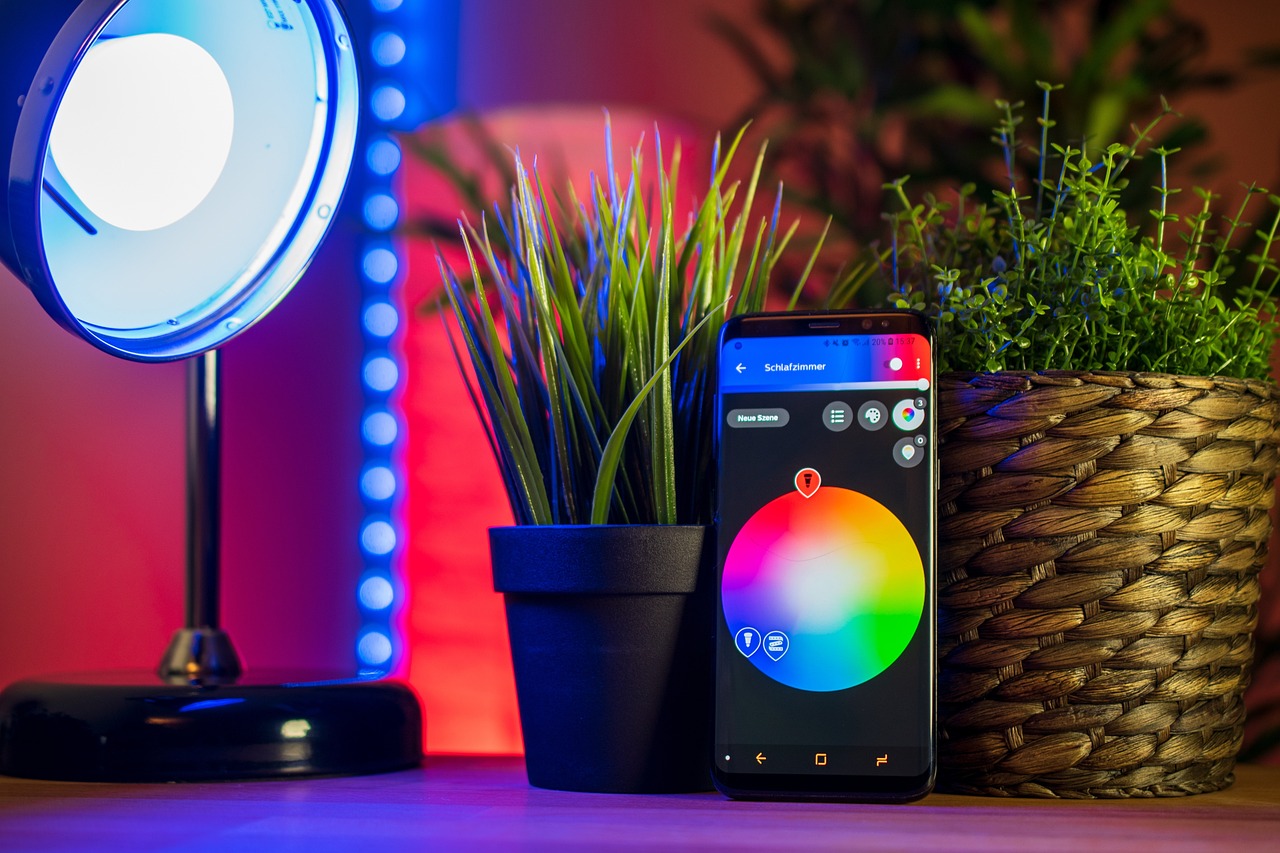
As evening approaches, transition to warmer, dimmer lighting (2700-3000K) throughout your space. This signals to your circadian system that it’s time to wind down, promoting melatonin production and preparing your body for restorative sleep. Smart bulbs or dimmer switches make these transitions seamless and can be automated to support consistent routines.
Reducing Blue Light Exposure
Electronic screens emit blue wavelengths that suppress melatonin and maintain alertness. While beneficial during work hours, this becomes problematic in the evening. Position screens away from rest areas, use blue light filtering apps or glasses after sunset, and establish a technology curfew at least one hour before bed.
🌿 Biophilic Design: Bringing Nature Indoors
Humans have an innate connection to nature, and incorporating natural elements into room configurations provides measurable benefits for both productivity and wellness. This design philosophy, known as biophilia, recognizes that our psychological and physiological systems function optimally when connected to natural environments.
Plants are the most accessible biophilic element for most spaces. They improve air quality by filtering toxins, increase humidity levels, and provide visual interest without the distraction of digital screens. Position larger plants in corners or as room dividers, and place smaller specimens on desks or shelves within your visual field.
Choose low-maintenance varieties like pothos, snake plants, or ZZ plants if you’re new to plant care. Studies show that even artificial plants can provide psychological benefits, though living plants offer superior air quality improvements and sensory engagement through subtle movements and growth patterns.
Natural Materials and Textures
Beyond plants, incorporate natural materials throughout your space. Wood furniture and accents add warmth and connect us to organic forms. Stone, bamboo, cotton, linen, and wool provide tactile variety that synthetic materials cannot replicate. These materials also tend to age gracefully, developing character rather than looking worn.
Water features, even small tabletop fountains, introduce the calming sound of flowing water that masks disruptive noise and creates a sense of tranquility. Natural imagery—photographs or artwork depicting landscapes, forests, or water scenes—activates similar neural pathways to actual nature exposure and can reduce stress markers.
🎨 Color Psychology and Spatial Perception
Color dramatically influences our psychological state and can be strategically deployed to support different activities. Understanding color psychology allows you to create environments that facilitate the mental states you’re trying to cultivate in each zone.
Cool colors like blue and green promote calmness, reduce anxiety, and support concentration. These shades work well in work zones where sustained focus is required, and in rest areas where relaxation is the goal. Research indicates that blue environments can actually lower heart rate and blood pressure.
Warm colors like yellow and orange stimulate energy, creativity, and social interaction. These tones are excellent for creative workspaces, dining areas, or social zones. However, intense warm colors can become overstimulating in large doses, so consider using them as accents rather than dominant wall colors.
Neutral Foundations with Strategic Accents
The most versatile approach uses neutral base colors—whites, grays, beiges, or soft earth tones—for walls and large furniture pieces, then introduces color through easily changeable elements like pillows, artwork, or accessories. This allows you to adjust the mood and energy of a space without major renovations.
Pay attention to color temperature as well as hue. Warm neutrals (with yellow, red, or orange undertones) create cozy, inviting spaces, while cool neutrals (with blue or gray undertones) feel more crisp and modern. The same neutral color can read completely differently depending on the lighting conditions and surrounding colors.
📐 Spatial Flow and Furniture Arrangement
The physical layout of furniture shapes how energy and attention move through a space. Poor furniture arrangement creates bottlenecks, forces awkward movements, and generates subconscious stress. Restorative configurations prioritize intuitive flow and accessibility.
Apply the principle of clear pathways—you should be able to move through any space without navigating obstacle courses or squeezing between furniture. Main traffic routes should be at least 30 inches wide, with workspace circulation allowing 36-42 inches. This physical ease translates to mental ease.
Position key furniture pieces first, considering both function and focal points. In work zones, orient desks to face interesting views or walls rather than blank spaces or constant distractions. In rest areas, arrange seating to encourage conversation in social spaces or to face away from work areas in personal retreat zones.
The Power of Negative Space
Resist the temptation to fill every available surface and corner. Negative space—areas intentionally left empty—gives our eyes places to rest and prevents visual overwhelm. This breathing room is especially important in small spaces, where overcrowding can create feelings of claustrophobia and anxiety.
Japanese design principles embrace the concept of “ma,” or meaningful emptiness. This philosophy recognizes that the space between objects is as important as the objects themselves. Incorporating ma into your room configurations creates balance and allows individual elements to stand out and be appreciated.
🔇 Sound Management and Acoustic Comfort
Noise is one of the most overlooked aspects of room configuration, yet it profoundly affects both productivity and restoration. Excessive or unpredictable sounds fragment attention, increase stress hormones, and prevent the deep relaxation necessary for recovery.
Assess the acoustic character of each zone. Work areas benefit from sound absorption to minimize echoes and external noise. Add soft furnishings like curtains, upholstered furniture, rugs, and acoustic panels to dampen sound reflections. These materials absorb high-frequency sounds that are particularly distracting.
Consider sound masking in areas where you cannot eliminate disruptive noise. White noise machines, nature sound apps, or even quiet fans can create consistent ambient sound that makes intermittent noises less jarring. This is especially effective in urban environments or shared living situations.
Creating Quiet Zones
Designate at least one area of your space as a quiet zone where silence is protected. This might be a bedroom, a meditation corner, or simply a reading chair positioned away from noisy appliances and high-traffic areas. Communicate boundaries around these spaces if you live with others, establishing times when quiet zones are off-limits for conversation or noisy activities.
For dedicated work requiring deep concentration, noise-canceling headphones combined with intentional soundscapes can create portable quiet zones. However, these should supplement rather than replace attention to the broader acoustic environment of your space.
🧹 Decluttering for Mental Clarity
Physical clutter creates mental clutter. Visual disorder competes for our attention, activates stress responses, and makes it difficult to locate necessary items. Restorative room configurations require regular decluttering and thoughtful organization systems.
Implement the “one home for everything” principle—every item should have a designated storage location. This eliminates decision fatigue about where things belong and makes tidying a quick, automatic process. Use closed storage like cabinets, drawers, and boxes for items that don’t need to be visible, keeping surfaces relatively clear.
Apply the 80/20 rule to your belongings: we typically use 20% of our possessions 80% of the time. Identify these high-value items and give them premium, easily accessible storage. The remaining 80% should be evaluated critically—do these items truly add value, or do they simply occupy space and attention?
Maintenance Routines
Restorative configurations require maintenance. Establish daily, weekly, and monthly routines to prevent clutter accumulation. A daily five-minute reset before bed—putting items back in their homes, tidying surfaces, and preparing spaces for the next day—prevents disorder from becoming overwhelming.
Schedule deeper organization sessions quarterly to reassess what’s working and what needs adjustment. Our needs change with seasons, projects, and life stages, and our spaces should evolve accordingly. Flexibility and regular refinement are key to maintaining configurations that continue to serve you well.
🧘 Incorporating Mindfulness and Intentionality
Beyond physical arrangements, restorative room configurations benefit from intentional practices that reinforce the psychological purpose of each space. Create rituals that signal transitions between different zones and activities, helping your mind shift gears effectively.
Simple practices like lighting a candle when entering your work zone, playing specific music in your creative space, or spending three minutes in stillness before using your rest area create powerful mental anchors. These sensory cues train your brain to associate specific spaces with specific mental states.
Consider incorporating a dedicated mindfulness corner with a cushion, mat, or comfortable chair where you practice meditation, breathing exercises, or simply sit in silence. This need not be elaborate—even a specific chair positioned near a window can become a powerful anchor for daily reflection practices.
✨ Personalizing Your Restorative Environment
While general principles guide effective room configuration, the most restorative spaces reflect individual preferences, values, and needs. Personalization makes spaces feel like true sanctuaries rather than generic showrooms.
Display meaningful objects, photographs, and artwork that spark joy or inspiration. These items should be carefully curated rather than accumulated—each piece should have significance and add to rather than detract from the overall atmosphere. Rotate displays seasonally to maintain freshness and prevent visual habituation.
Honor your unique work style, chronotype, and sensory preferences. If you’re energized by vibrant colors, incorporate them confidently. If you focus best with background music, integrate quality speakers into your work zone. The research provides frameworks, but your lived experience should guide specific implementations.
🔄 Adapting Spaces for Multiple Functions
Many people must configure single rooms to serve multiple purposes. Small apartments, home offices that double as guest rooms, and shared family spaces present unique challenges that require creative solutions.
Use furniture that transforms or serves dual purposes—Murphy beds, desk-dining table combinations, or storage ottomans that provide both seating and organization. Employ room dividers like bookcases, curtains, or folding screens to create visual separation between zones even within a single room.
Establish clear transition rituals when spaces must serve different functions. Completely clear your dining table after work hours, fold away your desk setup after business hours, or use specific lighting scenes to signal different modes. These physical transformations help your brain recognize when roles and expectations shift.
🌟 Measuring Success and Iterating
Restorative room configuration is not a one-time project but an ongoing practice of observation and refinement. Pay attention to how you feel and function in your spaces. Notice which areas you naturally gravitate toward and which you avoid. These behavioral patterns reveal whether your configurations are supporting or hindering your goals.
Track subjective metrics like energy levels, focus quality, sleep satisfaction, and overall mood. Keep a simple journal noting how your environment might be influencing these factors. After implementing changes, give yourself at least two weeks to adjust before evaluating effectiveness—our nervous systems need time to adapt to new configurations.
Be willing to experiment and iterate. What works perfectly in winter might feel wrong in summer. A configuration that supported one life phase may need adjustment as your circumstances change. Approach your space as a living system that grows and evolves with you.
Transforming your space through restorative room configurations is an investment in your most valuable resource—yourself. By thoughtfully arranging your environment to support both productivity and wellness, you create the foundation for sustainable high performance and genuine life satisfaction. The principles outlined here provide a framework, but the real magic happens when you apply them with attention, intention, and responsiveness to your unique needs. Your space shapes you, so shape it with care, and watch as both your work and your well-being flourish in environments designed for restoration and growth.