
The concrete jungles we inhabit don’t have to be devoid of life. Modern cities are discovering innovative ways to weave nature into their fabric, creating environments where urban convenience meets wild beauty.

As populations surge and cities expand, the disconnect between humanity and nature grows deeper. Yet forward-thinking urban planners, architects, and communities worldwide are pioneering revolutionary approaches to reintegrate natural ecosystems into metropolitan landscapes. These strategies aren’t merely aesthetic additions—they represent fundamental shifts in how we design, build, and inhabit our urban spaces, offering solutions to climate challenges, biodiversity loss, and the growing human need for connection with the natural world.
🌿 The Urban-Nature Paradox: Why Integration Matters Now
Cities occupy just 3% of Earth’s land surface yet house over 55% of the global population—a figure projected to reach 68% by 2050. This concentration creates unprecedented environmental pressures: urban heat islands raise temperatures by 1-7°F compared to surrounding areas, impervious surfaces prevent natural water absorption causing flooding, and habitat fragmentation threatens countless species with extinction.
The health implications are equally concerning. Studies reveal that urban residents lacking access to green spaces experience higher rates of mental health issues, cardiovascular disease, and respiratory conditions. Children growing up disconnected from nature show diminished cognitive development and increased behavioral problems. Meanwhile, the economic costs of environmental degradation in cities run into billions annually through infrastructure damage, healthcare expenses, and reduced productivity.
Yet this crisis presents opportunity. Nature-integrated urban design can reduce energy costs by 30%, mitigate flooding through natural drainage, improve air quality dramatically, and enhance property values by 15-20%. Beyond metrics, these spaces restore something essential—our evolutionary connection to the living world.
Vertical Forests: Skyscrapers That Breathe
Among the most visually striking innovations, vertical forests transform towers into living ecosystems. Milan’s Bosco Verticale pioneered this approach, incorporating over 20,000 plants across two residential towers. These aren’t mere decorative additions—the vegetation produces oxygen equivalent to 30,000 square meters of woodland, absorbs CO2, filters particulate pollution, and reduces building temperatures by up to 5°C in summer.
The concept has inspired projects worldwide. Singapore’s CapitaSpring integrates a four-story “green oasis” mid-tower, creating a sky park accessible to occupants. Nanjing’s Vertical Forest contains 600 tall trees, 500 medium-sized trees, and 2,500 cascading plants, forming habitat corridors for birds and insects at various heights.
These structures require sophisticated engineering. Irrigation systems recycle greywater, specialized soil compositions balance weight with drainage, and horticultural teams maintain plant health. Root barriers protect building integrity while allowing growth. The initial costs exceed conventional construction by 5-15%, but operational savings through reduced heating, cooling, and air purification systems offset expenses within 8-12 years.
Implementing Vertical Greenery in Existing Structures
Retrofitting existing buildings presents unique challenges and opportunities. Modular green wall systems can be installed on facades without major structural modifications, using lightweight growing mediums and automated irrigation. These installations immediately reduce heat gain, cutting cooling costs by 20-30% while improving neighborhood air quality.
Building owners increasingly recognize vertical gardens as competitive advantages, attracting environmentally conscious tenants and commanding premium rents. Cities like Paris have mandated that new buildings incorporate rooftop gardens or solar panels, accelerating adoption of vertical greening technologies.
Wildlife Corridors: Highways for Nature
Fragmentation ranks among the greatest threats to urban biodiversity. Animals need continuous habitat to find food, mates, and seasonal resources. Wildlife corridors address this by connecting isolated green spaces through strategically designed passages that allow safe animal movement across human-dominated landscapes.
Singapore’s ecological linkways system connects nature reserves through a network of overhead bridges, underground tunnels, and vegetated roadside strips. Motion-sensor cameras document regular use by native species including pangolins, civets, and various bird species. These corridors maintain genetic diversity by enabling population mixing and provide resilience against localized disasters.
Western nations are implementing similar strategies. The Wallis Annenberg Wildlife Crossing near Los Angeles, scheduled for completion in 2025, will span ten highway lanes, creating a vegetated bridge allowing mountain lions, deer, and other wildlife to safely traverse one of America’s busiest freeways. Such projects reduce vehicle-animal collisions by 80-95% while reconnecting fragmented habitats.
Creating Micro-Corridors in Dense Urban Settings
Not every corridor requires massive infrastructure. Residential gardens can form stepping-stone networks when planted with native species. Green roofs on adjacent buildings create aerial pathways for birds and insects. Even small interventions like hedgehog highways—gaps beneath fences—enable ground-dwelling animals to navigate neighborhoods.
Community participation proves essential. Citizen science apps help residents document wildlife sightings, identifying which species use corridors and informing management decisions. Educational programs teach homeowners to create wildlife-friendly gardens with native plants, water sources, and nesting sites, transforming private properties into collective conservation landscapes.
🏙️ Blue-Green Infrastructure: Water as Living Systems
Traditional stormwater management fights nature with concrete channels and underground pipes. Blue-green infrastructure works with natural processes, treating water as a resource rather than a problem. These systems integrate vegetation with water management, creating beautiful, functional landscapes.
Copenhagen’s climate adaptation plan exemplifies this approach. Rather than enlarging sewers at enormous cost, the city created surface-level waterways, retention ponds, and bioswales that temporarily store excess rainwater during storms. These features double as parks during dry periods, providing recreation spaces while protecting against cloudbursts that previously caused catastrophic flooding.
Portland, Oregon pioneered bioswales—vegetated channels that filter and slow stormwater runoff. The city has installed over 2,000 such features, collectively managing millions of gallons during storms while removing pollutants and creating habitat. Property values near these installations have risen 5-10% as residents value the aesthetic and functional benefits.
Restoring Urban Waterways
Many cities buried rivers and streams beneath pavement during industrialization. “Daylighting” these waterways—returning them to the surface—restores ecological function while creating community amenities. Seoul’s Cheonggyecheon Stream restoration removed an elevated highway, revealing a historic waterway now flanked by parks attracting 64,000 daily visitors. Air temperatures along the corridor dropped 3.6°C, and nearby businesses experienced increased foot traffic and sales.
Such projects face complexity. Underground utilities must be relocated, flood management carefully designed, and community concerns addressed. Yet successful examples demonstrate that the ecological, economic, and social returns justify the investment, transforming neglected industrial zones into vibrant, biodiverse community hearts.
Biodiversity-Focused Urban Planning
Conventional parks prioritize human recreation with manicured lawns and exotic ornamentals. Biodiversity-focused design recognizes that native ecosystems provide superior environmental services while supporting wildlife. This approach doesn’t exclude people—it creates richer, more engaging landscapes.
London’s National Park City initiative reimagines the entire metropolitan area as habitat. The framework encourages pocket forests, wildflower meadows, and wildlife ponds throughout the city. Mowing frequencies decrease, allowing native plants to bloom and set seed. Dead wood remains as invertebrate habitat. The result: documented increases in bee populations, hedgehog sightings, and bird diversity.
Melbourne’s urban forest strategy aims to increase tree canopy from 22% to 40% by 2040, prioritizing species that support native wildlife. Each tree species is selected for its ecosystem services—nectar production for pollinators, berries for birds, hollows for nesting mammals. The city maintains a public tree database allowing residents to explore individual trees and their ecological contributions.
Edible Forests and Food-Producing Landscapes
Urban food forests integrate native species with edible plants, creating productive ecosystems accessible to communities. Seattle’s Beacon Food Forest spans seven acres of formerly unused parkland, featuring hundreds of edible species in layered plantings mimicking natural forest structure. Volunteers manage the space, and all harvest is free to visitors, improving food security while demonstrating regenerative agriculture principles.
These spaces provide multiple benefits: fresh food in food-desert neighborhoods, educational opportunities about sustainable agriculture and native ecosystems, community gathering spaces, and habitat for urban wildlife attracted to diverse plantings. The model is replicating across cities worldwide, from Vancouver to Barcelona to Melbourne.
🦋 Rewilding the Built Environment
Rewilding—allowing natural processes to shape landscapes with minimal human intervention—might seem incompatible with urban settings. Yet cities are finding creative applications. Abandoned industrial sites become spontaneous nature reserves where pioneer species establish without planting. Management is minimal: invasive species control, public safety provisions, and interpretation helping visitors appreciate the wild character.
Berlin’s Südgelände Nature Park occupies a former railway depot. Rather than clearing vegetation that colonized the site during decades of abandonment, designers preserved the wild character while making it accessible. Rails disappear beneath birch groves, butterflies sun on old platforms, and interpretive signs explain succession ecology. The park demonstrates nature’s resilience and provides authentic wilderness experiences within city limits.
Smaller-scale rewilding occurs on green roofs designed for biodiversity rather than recreation. These habitats use local soil substrates and natural colonization by native plants rather than imported growing media and cultivated species. Research shows such roofs support significantly higher insect diversity and provide better habitat for ground-nesting birds.
Balancing Wildness with Urban Needs
Rewilded spaces require different management philosophies and community education. Residents accustomed to manicured parks may perceive wild areas as neglected unless interpretation explains ecological values. Signage, guided walks, and community science programs help people appreciate ecological processes, transforming perception from “overgrown” to “thriving ecosystem.”
Safety concerns require thoughtful design. Clear sightlines along paths, adequate lighting, and maintained edges help people feel comfortable while preserving core wild areas. This balance—accessibility for people, sanctuary for nature—defines successful urban rewilding.
Technology Enabling Nature Integration
Digital tools increasingly support urban nature integration. GIS mapping identifies priority areas for intervention based on heat island intensity, flood vulnerability, biodiversity gaps, and social equity factors. Sensors monitor soil moisture in green infrastructure, triggering irrigation only when needed and alerting managers to system problems.
Apps connect residents with nature in their cities. iNaturalist enables community documentation of urban biodiversity, creating datasets that inform conservation priorities while engaging participants in citizen science. The platform has recorded millions of observations, revealing surprising species persistence in urban environments and tracking population changes over time.
3D modeling simulates how proposed green infrastructure will perform under different climate scenarios, helping planners design resilient systems. These tools calculate ecosystem services—tons of CO2 sequestered, gallons of stormwater managed, degrees of cooling provided—translating ecological functions into metrics that resonate with decision-makers focused on cost-benefit analyses.
🌱 Community-Driven Nature Integration
Top-down approaches alone cannot transform cities. Grassroots initiatives often pioneer innovations later adopted at larger scales. Community gardens transform vacant lots into productive green spaces, guerrilla gardeners plant street medians with native wildflowers, and neighborhood associations create pollinator pathways by coordinating plantings across private properties.
These bottom-up efforts build social cohesion while greening neighborhoods. Participants develop stewardship ethics and environmental knowledge, becoming advocates for nature-integrated urban planning. Successful community projects demonstrate feasibility to skeptical officials, creating political will for policy changes supporting wider implementation.
Equitable engagement remains critical. Nature integration must benefit all residents, particularly in underserved communities that historically experienced environmental injustice. Inclusive planning processes ensure that green infrastructure serves local needs, provides economic opportunities through maintenance jobs, and doesn’t trigger displacement through green gentrification.
Policy Frameworks Supporting Integration
Systemic transformation requires supportive policies. Progressive cities are implementing innovative regulations that incentivize or mandate nature integration. Singapore requires new developments to replace lost greenery, leading to the city’s remarkable “green plot ratio” where vertical greenery often exceeds ground-level landscaping.
Toronto mandates green roofs on new buildings over certain sizes, creating hectares of elevated habitat while reducing stormwater runoff. Tax incentives reward property owners who implement green infrastructure. Zoning codes increasingly require permeable surfaces, native plantings, and wildlife provisions.
Financial mechanisms support implementation. Green bonds fund sustainable infrastructure, environmental impact fees create funding streams for habitat creation, and payment-for-ecosystem-services programs compensate landowners for conservation actions. These tools make nature integration economically viable and attractive to private developers.
Learning from Indigenous Urban Design
Indigenous cultures worldwide have sustained settlements in balance with nature for millennia. Contemporary planners are rediscovering these wisdom traditions. Indigenous design principles emphasize reciprocity—developments should give back to ecosystems, not merely extract. Cultural burning practices, adapted for urban contexts, maintain healthy plant communities while reducing wildfire risk.
Australian cities are incorporating Indigenous knowledge into urban planning. Water-sensitive urban design draws on traditional water management understanding, while native plant selections prioritize species with cultural significance and demonstrated resilience. Indigenous rangers bring expertise in ecosystem management, enhancing biodiversity outcomes while providing economic opportunities for communities.
This integration benefits everyone. Indigenous ecological knowledge offers time-tested solutions to environmental challenges, while recognition of traditional practices advances reconciliation and cultural preservation. Urban nature spaces become places of cultural connection as well as ecological function.
🌍 The Path Forward: Scaling Urban Nature Integration
Isolated projects demonstrate possibility; systemic transformation requires scaling successful models. Networks like the Biophilic Cities Network connect municipalities implementing nature integration, facilitating knowledge exchange and collaborative problem-solving. Academic institutions partner with cities on research, measuring outcomes and refining approaches.
Professional education must evolve. Architecture, engineering, and planning programs increasingly integrate ecology, training practitioners to design with living systems. Certification programs like SITES and Living Building Challenge establish standards for sustainable site development, driving market transformation through competitive differentiation.
Private sector engagement accelerates progress. Green building standards like LEED incorporate nature integration credits. Corporate sustainability commitments drive demand for biophilic office designs proven to improve employee wellbeing and productivity. Real estate developers recognize nature-integrated properties as competitive advantages in markets where environmental performance influences investment decisions.
Measuring Success Beyond Green Space Quantity
Traditional metrics count acres of parks or trees planted—important but insufficient measures. Meaningful assessment examines ecological function: Are native species populations increasing? Does green infrastructure reduce flooding? Have heat island effects diminished? Are residents engaging with nature more frequently?
Social equity metrics matter equally. Do all neighborhoods have equitable access to quality green spaces? Has nature integration improved health outcomes in vulnerable communities? Are local residents involved in planning and stewardship, or merely subjects of external interventions?
Long-term monitoring reveals whether interventions deliver sustained benefits. Digital tools enable continuous assessment, tracking ecosystem changes and adaptive management based on observed outcomes. This evidence base supports continued investment and refinement of approaches.
Embracing Nature as Urban Infrastructure
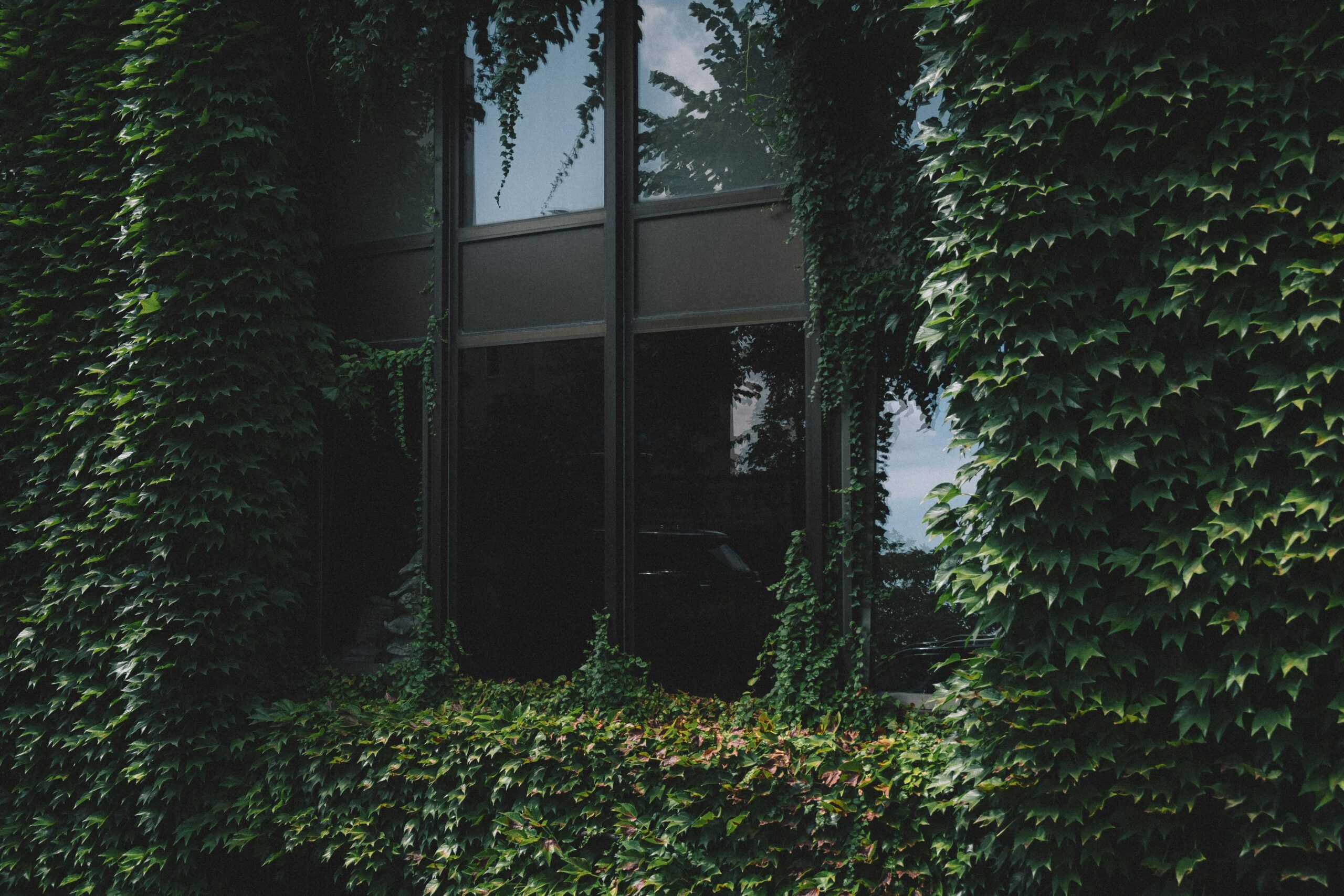
The fundamental shift underpinning all these strategies is reconceiving nature not as amenity but as essential infrastructure. Green roofs aren’t luxuries—they’re stormwater management systems. Street trees aren’t decorations—they’re cooling infrastructure. Wildlife corridors aren’t recreational extras—they’re investments in resilient ecosystems that sustain human wellbeing.
This reframing transforms budget discussions. When nature integration prevents infrastructure damage, reduces healthcare costs, and improves property values, it becomes economically rational rather than idealistic. Cost-benefit analyses increasingly favor green solutions over gray alternatives, particularly when considering lifecycle costs and co-benefits.
Cities pioneering this approach demonstrate that urban life and wild nature aren’t opposites but complements. Dense, vibrant cities can also be biodiverse havens where children grow up connected to living systems, where clean air and water flow naturally, and where the boundaries between built and wild blur into something new—urban ecosystems that sustain both human communities and the broader web of life on which we all depend.