Spaces shape us just as much as we shape them. The environments we inhabit influence our emotions, productivity, creativity, and overall well-being in profound ways that go far beyond aesthetics.

Human-centric spatial design represents a fundamental shift in how we approach architecture and interior design—moving from purely functional or visually appealing spaces toward environments that truly resonate with human needs, behaviors, and aspirations. This approach merges psychological insights, biological responses, cultural considerations, and innovative design principles to create spaces that don’t just exist but genuinely feel alive.
🌿 Understanding the Living Quality of Space
When we describe a space as “feeling alive,” we’re recognizing an intangible quality that transcends physical dimensions. Living spaces possess a certain energy, warmth, and responsiveness that makes occupants feel connected, comfortable, and inspired. This phenomenon isn’t mystical—it’s rooted in measurable design elements that work harmoniously with human psychology and physiology.
The concept draws from biophilic design principles, which acknowledge our innate connection to nature and natural systems. Spaces feel alive when they incorporate elements that mirror the complexity, variability, and organic patterns found in natural environments. This includes dynamic lighting that changes throughout the day, materials with natural textures and imperfections, and layouts that encourage exploration and discovery.
The Sensory Symphony of Spatial Design
Human-centric design recognizes that we experience space through all our senses simultaneously. Vision dominates our spatial perception, but sound, smell, touch, and even taste contribute to how we interpret and feel within an environment. Successful spatial design orchestrates these sensory inputs into a cohesive experience.
Acoustic quality often gets overlooked in design conversations, yet it profoundly impacts how spaces feel. The right balance of sound absorption and reflection creates environments that feel neither oppressively quiet nor chaotically noisy. Materials selection plays a crucial role here—soft textiles absorb sound while hard surfaces reflect it, and thoughtful combination creates acoustic comfort.
🧠 The Neuroscience Behind Spatial Experience
Recent advances in neuroscience have illuminated exactly how our brains process and respond to spatial environments. The hippocampus creates cognitive maps of our surroundings, while the amygdala processes emotional responses to spatial features. Understanding these mechanisms allows designers to create spaces that support optimal brain function and emotional well-being.
Ceiling height significantly influences cognitive processing. Research demonstrates that higher ceilings promote abstract thinking and creativity, while lower ceilings enhance focus on detailed, concrete tasks. This knowledge enables designers to calibrate spaces according to their intended purpose—collaborative areas benefit from soaring ceilings, while concentration zones work better with more intimate proportions.
Color Psychology and Emotional Resonance
Color wields extraordinary influence over mood, energy levels, and psychological state. Warm colors like reds, oranges, and yellows stimulate activity and social interaction, making them ideal for communal spaces. Cool blues and greens promote calmness and concentration, serving well in bedrooms and study areas.
However, human-centric design moves beyond simplistic color associations. It considers cultural context, personal preferences, lighting conditions, and how colors interact with one another. A sophisticated color palette creates visual rhythm and depth, guiding attention while maintaining harmony throughout the space.
💡 Light as the Primary Design Element
Nothing influences spatial quality more dramatically than lighting. Natural light synchronizes our circadian rhythms, regulates hormone production, and affects everything from sleep quality to immune function. Human-centric design prioritizes access to daylight while thoughtfully supplementing with artificial lighting that mimics natural light patterns.
The concept of circadian lighting has revolutionized how we approach interior illumination. By varying color temperature and intensity throughout the day—cooler, brighter light in morning hours transitioning to warmer, dimmer light in evening—we can support natural biological rhythms even in interior environments with limited natural light access.
Layered Lighting Strategies
Effective lighting design employs multiple layers working in concert. Ambient lighting provides overall illumination, task lighting supports specific activities, accent lighting highlights architectural features or artwork, and decorative lighting adds personality and visual interest. This layered approach creates flexibility, allowing spaces to transform according to time, activity, and mood.
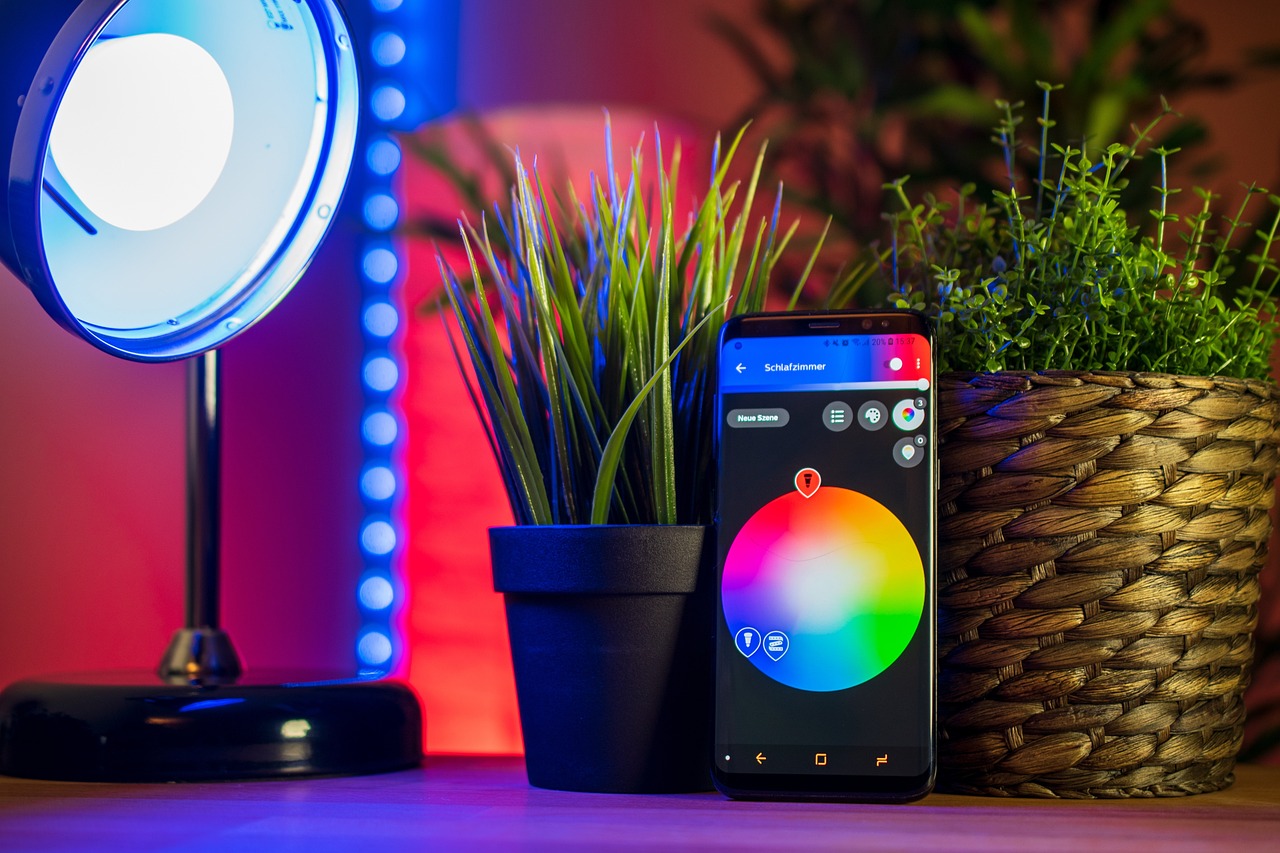
Dimming capabilities and smart controls extend this flexibility further, enabling occupants to customize their environment. Technology now allows fine-tuned control over every lighting aspect, from intensity to color temperature to direction, empowering individuals to create optimal conditions for their current needs.
🏗️ Spatial Flow and Movement Patterns
How we move through space fundamentally affects our experience of it. Human-centric design carefully considers circulation patterns, ensuring intuitive navigation while creating opportunities for pleasant surprises and discoveries. The journey through a space should feel natural, with clear hierarchies that guide without constraining.
Open floor plans have dominated recent design trends, but human-centric approaches recognize that complete openness can feel overwhelming and lacks the variety humans crave. Strategic use of partial walls, level changes, furniture arrangements, and material transitions creates zones within larger spaces, offering both connection and privacy.
The Importance of Prospect and Refuge
Evolutionary psychology reveals that humans feel most comfortable in spaces offering both prospect (the ability to survey our surroundings) and refuge (protected areas where we feel secure). This explains why window seats, alcoves, and spaces with varied ceiling heights feel particularly appealing. Effective spatial design balances these complementary needs throughout an environment.
🌱 Materiality and Tactile Experience
The materials surrounding us communicate volumes about a space’s character and quality. Natural materials—wood, stone, clay, natural fibers—possess inherent variability and imperfection that our senses recognize as authentic. These materials age gracefully, developing patina that tells a story and connects us to time’s passage.
Texture creates visual and tactile interest that makes spaces feel richer and more engaging. Combining smooth and rough, soft and hard, matte and glossy surfaces generates sensory variety that prevents monotony. Even in primarily visual experiences, our brains process textural information, enriching our spatial perception.
Sustainable Materials and Psychological Well-being
Sustainability and human-centric design align naturally. Materials with low environmental impact, such as reclaimed wood, natural linens, and clay-based finishes, typically offer superior tactile and visual qualities compared to synthetic alternatives. They also contribute to better indoor air quality, directly impacting occupant health.
The knowledge that our environment was created responsibly provides psychological comfort. Spaces built with sustainable materials and methods carry an integrity that occupants sense, even if unconsciously, contributing to overall satisfaction and well-being.
🎨 Personalization and Identity Expression
Spaces feel most alive when they reflect the identities, values, and stories of their occupants. Human-centric design creates frameworks that accommodate personalization rather than dictating rigid aesthetic schemes. This might mean flexible furniture systems, adaptable wall treatments, or simply generous display opportunities for personal objects.
The concept of “loose fit” design acknowledges that spaces should evolve with their users. Rather than perfectly tailored environments that accommodate only one lifestyle or aesthetic, loose fit spaces offer generous proportions and neutral backdrops that support various arrangements and expressions over time.
Cultural Context and Design Sensitivity
Human-centric design respects cultural diversity in spatial preferences and meanings. Personal space requirements, color associations, and functional priorities vary significantly across cultures. Truly responsive design considers these differences, creating environments that honor rather than override cultural identity.
🌐 Technology Integration Without Dominance
Smart home technology offers unprecedented control over environmental conditions, yet human-centric design ensures technology serves rather than defines the space. The most successful integrations make technology invisible or beautiful, prioritizing user experience over technical capabilities.
Automation should enhance rather than complicate daily life. Systems that learn occupant preferences and adjust lighting, temperature, and other variables accordingly create responsive environments that adapt to human needs. However, manual override capabilities remain essential—humans need to feel in control of their environment.
🧘 Designing for Mental Health and Well-being
Mounting evidence connects spatial design with mental health outcomes. Environments that provide access to nature views, incorporate natural materials, offer control over environmental conditions, and support both social connection and privacy promote better psychological well-being.
Restorative environments help us recover from stress and mental fatigue. These spaces typically feature natural elements, soft fascination (gently engaging stimuli that don’t demand intense focus), and a sense of being away from everyday concerns. Integrating restorative qualities into homes and workplaces supports resilience and emotional balance.
Spaces That Nurture Creativity
Creative work flourishes in environments that balance stimulation with calm, offering inspiration without overwhelming. Visual complexity at moderate levels encourages creative thinking—too sparse and the space feels sterile, too cluttered and it becomes distracting. Curated collections, varied textures, and thoughtful color palettes create this productive middle ground.
Flexibility supports creativity by allowing space transformation according to creative process phases. Brainstorming benefits from collaborative, energetic settings, while refinement work requires quiet focus. Spaces that can shift between these modes through furniture rearrangement, lighting changes, or movable partitions support the full creative cycle.
🏡 Bringing Human-Centric Principles Home
Implementing human-centric design doesn’t require complete renovations or unlimited budgets. Small, thoughtful changes can significantly impact how a space feels and functions. Start by observing how you actually use your space—where you naturally gravitate, which areas feel uncomfortable, when natural light reaches different rooms.
Decluttering creates immediate improvement in spatial quality. Excess possessions create visual noise that increases cognitive load and stress. Thoughtfully curating belongings to retain only what serves a purpose or brings joy creates breathing room that allows a space’s inherent qualities to emerge.
Practical Implementation Strategies
- Maximize natural light by keeping windows unobstructed and using light-colored, reflective surfaces near windows
- Incorporate living plants to improve air quality, add natural movement, and create biophilic connection
- Create distinct zones within open spaces using rugs, furniture arrangement, and lighting rather than permanent walls
- Invest in quality lighting with dimming capability and varied sources throughout rooms
- Mix material textures deliberately—combine wood, textiles, metal, and stone for sensory richness
- Display meaningful personal objects that tell your story and create emotional connection
- Establish clear organizational systems that support daily routines and reduce visual clutter
- Consider acoustic quality by adding soft furnishings in hard-surfaced rooms
🔮 The Future of Human-Centric Spatial Design
Emerging technologies and evolving understanding of human needs continue reshaping spatial design possibilities. Virtual and augmented reality tools allow designers and clients to experience spaces before construction begins, enabling more informed decisions and reducing costly mistakes.
Biometric sensors and artificial intelligence promise increasingly responsive environments that adjust in real-time to occupant needs. Imagine spaces that recognize stress signals and automatically adjust lighting, temperature, and even scent to promote calm, or workspaces that optimize conditions for peak cognitive performance based on individual patterns.
However, the most exciting future developments won’t replace fundamental human-centric principles—they’ll simply provide new tools for implementing them more effectively. The core truth remains: spaces that honor human nature, support well-being, and adapt to individual needs will always feel more alive than those designed purely for efficiency or aesthetics.

🌟 Creating Spaces with Soul
The art and science of human-centric spatial design ultimately aims to create environments with soul—spaces that feel genuinely alive because they respond to the full complexity of human experience. This requires balancing aesthetic beauty with functional effectiveness, honoring both universal human needs and individual preferences, and integrating cutting-edge technology with timeless design wisdom.
When we design with genuine attention to how spaces affect human flourishing, we create more than beautiful rooms or impressive buildings. We craft environments that support our best selves, nurture relationships, inspire creativity, and provide sanctuary from life’s demands. These spaces become partners in our daily lives rather than mere backdrops, actively contributing to our health, happiness, and sense of meaning.
Whether you’re designing a new space or reimagining an existing one, keeping human needs at the center of every decision ensures results that transcend trends and truly stand the test of time. The most successful spaces aren’t those that showcase design virtuosity but those where occupants feel genuinely at home, fully themselves, and deeply connected to their environment and each other.